Planning Your Commercial Renovation
Why This Guide Exists
Planning a commercial renovation is one of the most significant investments a business owner, commercial property owner, or property manager can make. Whether you’re renovating an office, medical clinic, retail store, warehouse, restaurant, or industrial facility, the decisions made before construction begins will directly influence your project’s budget, timeline, regulatory approvals, and long-term success.
Unfortunately, finding reliable information isn’t easy.
Spend a few minutes searching online for terms like commercial renovation in Richmond, tenant improvement contractor, office renovation cost, or commercial building permits, and you’ll quickly find hundreds of articles. Most provide broad advice, generic checklists, or recycled information that barely scratches the surface of what actually happens during a commercial construction project.
Very few explain how the process works from the perspective of the contractor responsible for coordinating consultants, obtaining permits, managing subcontractors, protecting schedules, controlling budgets, and delivering a finished space that meets both building code and the operational needs of the business.
That’s why we created this guide.
At Anilson Construction, we’ve worked on commercial renovation projects throughout Richmond and the Lower Mainland, including office renovations, medical clinics, retail tenant improvements, warehouse upgrades, automotive facilities, strata improvements, and other commercial spaces. While every project is unique, we’ve found that the same questions come up again and again:
- How much does a commercial renovation cost?
- Do I need permits?
- How long will the project take?
- Who coordinates engineers and consultants?
- What happens if we change the layout after construction begins?
- Can my business remain open during construction?
- How do I choose the right commercial contractor?
- What are the biggest mistakes that lead to delays and cost overruns?
If you’re asking these questions, you’re not alone.
The purpose of this guide is to answer them—clearly, honestly, and without the sales language that dominates much of the construction industry.
Instead of giving you generic advice, we’ll walk you through the complete commercial renovation process, from your initial planning and budgeting to permit approvals, construction, inspections, occupancy, and warranty. We’ll explain what happens behind the scenes, why certain decisions matter, and what experienced contractors do to reduce risk before work even begins.
You’ll also learn how commercial renovations differ from residential projects, what separates a well-managed tenant improvement from one plagued by delays, and how proper planning can protect your investment while keeping your business operational.
This isn’t a collection of marketing tips or theoretical best practices.
It’s a practical resource built from real commercial construction experience and designed to help business owners, landlords, investors, franchise operators, and property managers make informed decisions before committing to a renovation.
Whether you’re renovating a single office, combining multiple commercial units, building a new medical clinic, modernizing a retail storefront, upgrading an industrial workspace, or planning your first tenant improvement, this guide will give you a clear understanding of the process before a single wall is opened.
Our goal is simple:
To become the most comprehensive and trustworthy commercial renovation resource available for businesses in Richmond and throughout the Lower Mainland.
If this guide helps you ask better questions, avoid costly mistakes, and plan your project with greater confidence, then it has achieved exactly what it was written to do.
What Exactly Is a Commercial Renovation?
A commercial renovation is the process of improving, modifying, or transforming an existing commercial building or leased space to better serve the needs of a business while complying with current building codes, accessibility standards, fire safety regulations, and municipal permit requirements. Commercial renovations can range from simple interior upgrades to complete tenant improvements, structural modifications, and full interior fit-outs.
Unlike residential renovations, commercial projects are designed around business operations, employee productivity, customer experience, safety, and regulatory compliance. Every decision—from the layout of the space to the location of electrical outlets, HVAC systems, fire sprinklers, and accessibility features—must support how the business functions while meeting the requirements of the applicable building codes.
Commercial renovations are commonly completed for:
- Office renovations and workspace modernization
- Medical and healthcare clinics
- Dental practices and professional offices
- Retail stores and shopping centres
- Restaurants, cafés, and food service businesses
- Warehouses and industrial facilities
- Fitness centres and wellness studios
- Automotive dealerships and service facilities
- Strata common areas and commercial buildings
- Franchise locations and multi-unit businesses
While every project is unique, most commercial renovations fall into one of four categories.
Tenant Improvements (TI)
A tenant improvement (often referred to as a TI) involves modifying a leased commercial space to meet the operational requirements of a new or existing tenant. This may include constructing offices, installing new lighting, upgrading mechanical and electrical systems, modifying fire protection, improving accessibility, or completely reconfiguring the interior layout.
Tenant improvements are among the most common commercial renovation projects throughout Richmond and the Lower Mainland, particularly within office buildings, retail plazas, medical buildings, and industrial complexes.
Commercial Interior Renovations
Interior renovations improve or modernize an existing commercial space without necessarily changing the overall occupancy or intended use of the building. These projects often include new flooring, painting, acoustical ceiling replacement, washroom upgrades, lighting improvements, millwork installation, reception area renovations, and workspace modernization.
Businesses frequently undertake interior renovations to improve employee productivity, create a better customer experience, or update aging facilities without relocating.
Commercial Fit-Outs
A commercial fit-out transforms an unfinished or partially completed commercial unit into a fully operational business space. Depending on the condition of the premises, a fit-out may include steel stud framing, insulation, drywall, HVAC distribution, plumbing, electrical systems, fire sprinklers, ceilings, flooring, doors, glazing, millwork, painting, and final finishes.
Many new businesses leasing shell spaces require a complete commercial fit-out before opening to the public.
Building Upgrades & Facility Improvements
Commercial renovations also include improvements made to existing buildings rather than individual tenant spaces. These projects may involve accessibility upgrades, building envelope improvements, common area renovations, washroom modernization, energy efficiency upgrades, mechanical replacements, parking improvements, exterior enhancements, and ongoing capital improvement projects.
Property owners often complete these renovations to increase asset value, improve tenant satisfaction, reduce operating costs, or prepare buildings for future tenants.
Commercial Renovation vs Residential Renovation
Although both involve construction, commercial and residential renovations operate under very different requirements.
Commercial projects typically involve multiple consultants, permit drawings, engineers, municipal approvals, fire protection systems, HVAC coordination, accessibility standards, occupancy classifications, landlord requirements, and detailed project scheduling. Construction often takes place within occupied buildings where minimizing disruption to employees, customers, neighbouring tenants, and daily operations is essential.
Residential renovations generally focus on improving the comfort, appearance, and functionality of a home, while commercial renovations prioritize operational efficiency, regulatory compliance, business continuity, and long-term return on investment.
For this reason, commercial renovations require a different level of planning, coordination, documentation, and project management than most residential construction projects.
At Anilson Construction
Commercial renovation is more than construction—it’s about creating spaces that help businesses operate more efficiently, serve their customers better, and continue growing.
Whether we’re renovating an office, building a new medical clinic, modernizing a retail store, upgrading a warehouse, or completing a commercial tenant improvement, our focus remains the same: thoughtful planning, disciplined project management, quality craftsmanship, and transparent communication from concept through completion.
Throughout the remainder of this guide, we’ll break down every stage of the commercial renovation process so you’ll understand not only what happens during a project, but why each step matters.
What Kinds of Commercial Renovations Are There?
No two commercial renovation projects are the same. Renovating a medical clinic requires a completely different approach than upgrading a warehouse, while a restaurant renovation involves far different building systems than a professional office fit-out.
Each type of commercial space has its own operational requirements, building code considerations, permit requirements, and construction challenges. Understanding these differences helps business owners plan more effectively and choose a contractor with experience in their specific industry.
Below are the most common types of commercial renovations completed throughout Richmond and the Lower Mainland.
Office Renovations
Office renovations are among the most common commercial construction projects. Businesses renovate offices to improve employee productivity, modernize outdated workspaces, accommodate company growth, or create a stronger first impression for clients.
Typical office renovation projects include:
- Open-concept workspace redesigns
- Private office construction
- Boardrooms and meeting rooms
- Reception area renovations
- Staff lunchrooms and kitchens
- Commercial washroom upgrades
- LED lighting retrofits
- Acoustic (T-Bar) ceiling replacements
- Commercial flooring installation
- Glass office partitions
- Accessibility improvements
- HVAC and electrical upgrades
Successful office renovations balance aesthetics with functionality while minimizing disruption to daily business operations.
Medical & Healthcare Renovations
Medical clinics, wellness centres, physiotherapy clinics, dental offices, and healthcare facilities require specialized planning because they must meet strict operational, accessibility, mechanical, and infection-control standards.
These projects often include:
- Examination rooms
- Treatment rooms
- Reception and waiting areas
- Medical cabinetry
- Accessible washrooms
- Enhanced lighting systems
- Specialized plumbing
- HVAC modifications
- Fire protection upgrades
- Medical gas rough-ins (where required)
- Sound insulation for patient privacy
Healthcare facilities often require careful coordination between consultants, equipment suppliers, property managers, and municipal authorities before construction begins.
Retail Store Renovations
Retail renovations focus on creating an attractive customer experience while maximizing product visibility and operational efficiency.
Retail renovation projects commonly involve:
- Storefront improvements
- Sales floor reconfiguration
- Display and merchandising areas
- Feature lighting
- Cash wrap construction
- Change rooms
- Storage areas
- Flooring replacement
- Custom millwork
- Security system coordination
- Brand-specific finishes
Because many retail businesses operate under strict opening dates, scheduling and material coordination become especially important.
Warehouse & Distribution Facility Renovations
Warehouses are increasingly being renovated to support changing business operations, logistics, and e-commerce growth.
Typical warehouse improvements include:
- Office build-outs within warehouse space
- Employee lunchrooms
- Washroom renovations
- Shipping and receiving areas
- Storage optimization
- Mezzanine modifications
- Commercial lighting upgrades
- Electrical service upgrades
- Equipment installations
- Safety improvements
- Interior and exterior repairs
Many warehouse renovations must be completed while operations continue, requiring careful planning to maintain productivity and safety.
Industrial Facility Improvements
Industrial renovation projects often involve more than cosmetic upgrades. They frequently include modifications to support manufacturing processes, specialized equipment, ventilation systems, and heavy-duty electrical infrastructure.
Industrial projects may include:
- Equipment foundations
- Process ventilation
- Mechanical upgrades
- Industrial electrical systems
- Safety barriers
- Fire separations
- Structural modifications
- Equipment relocation
- Production area improvements
- Maintenance facility upgrades
These projects demand close coordination between engineers, equipment suppliers, and specialized trades.
Restaurant & Food Service Renovations
Restaurants are among the most technically demanding commercial renovation projects because multiple building systems must work together while meeting strict health, fire, and mechanical requirements.
Restaurant renovations commonly include:
- Commercial kitchens
- Dining areas
- Bars and service stations
- Commercial exhaust systems
- Make-up air units
- Grease interceptors
- Walk-in coolers and freezers
- Commercial plumbing
- Specialized electrical systems
- Fire suppression systems
- Durable commercial flooring
Proper planning is essential, as mechanical, plumbing, and fire protection systems often represent a significant portion of the overall project scope.
Fitness & Wellness Facilities
Fitness centres, yoga studios, rehabilitation clinics, and wellness facilities require durable materials designed to withstand heavy daily use while creating a welcoming environment for members.
Typical renovation work includes:
- Open workout areas
- Specialized flooring systems
- Group fitness studios
- Reception areas
- Locker rooms
- Accessible showers and washrooms
- Improved ventilation
- Enhanced lighting
- Acoustic treatments
- Custom storage solutions
Mechanical ventilation and indoor air quality are especially important in these environments due to high occupancy levels.
Professional Offices
Professional office renovations include spaces such as law firms, accounting offices, engineering firms, insurance agencies, financial institutions, consulting companies, and corporate headquarters.
These projects typically focus on creating functional, efficient workplaces that reflect the professionalism of the business.
Common renovation elements include:
- Executive offices
- Reception areas
- Boardrooms
- Collaborative workspaces
- Acoustic privacy improvements
- Custom millwork
- Commercial lighting
- Technology infrastructure
- Data and communications cabling
- High-quality interior finishes
Professional office renovations often emphasize long-term durability, efficient space planning, and a polished client experience.
Choosing the Right Renovation Strategy
Although these project types serve very different industries, they all share one thing in common: success depends on proper planning long before construction begins.
Every commercial renovation requires thoughtful design, realistic budgeting, consultant coordination, permit approvals, trade scheduling, and disciplined project management. The construction itself is only one part of the process.
Understanding the specific requirements of your industry is the first step toward delivering a renovation that supports your business for years to come.
In the next section, we’ll explore who commercial renovations are designed for and how the needs of business owners, landlords, property managers, investors, and franchise operators can differ significantly from one project to another.
The Anilson Project Delivery System™
One of the biggest misconceptions about commercial construction is that the most important work begins when demolition starts.
In reality, the opposite is true.
The success of almost every commercial renovation is determined long before the first wall is opened, the first piece of drywall is installed, or the first trade arrives on site.
Projects that finish on schedule and within budget rarely do so by chance. They succeed because every stage has been carefully planned, coordinated, and managed before construction begins.
At Anilson Construction, we’ve developed what we call The Anilson Project Delivery System™—a structured approach that guides every commercial renovation from the initial consultation through project completion.
Rather than treating construction as a collection of individual trades, we manage it as one coordinated process where every decision supports the next.
This approach minimizes uncertainty, reduces unnecessary delays, improves communication, and provides our clients with greater confidence throughout the project.
Phase 1 – Discovery & Project Consultation
Every successful renovation begins with understanding the business—not just the building.
Before discussing finishes or layouts, we take the time to understand your objectives.
Questions we typically explore include:
- What problem is the renovation solving?
- How will the space support your business?
- Will employees remain operational during construction?
- Are there future expansion plans?
- What timeline is driving the project?
- Are there landlord or property management requirements?
- What budget expectations should the project be designed around?
Understanding these goals allows every decision that follows to support the bigger picture.
Phase 2 – Site Assessment & Feasibility
No two commercial spaces are identical.
During our site assessment, we evaluate the existing building conditions, identify potential challenges, review building services, and determine what information consultants may require before design begins.
This stage commonly includes reviewing:
- Existing layouts
- Structural considerations
- HVAC systems
- Electrical capacity
- Plumbing infrastructure
- Fire protection systems
- Accessibility requirements
- Building access
- Working hour restrictions
- Existing finishes
- Opportunities for improving functionality
Identifying potential challenges early allows them to be addressed before they become expensive surprises during construction.
Phase 3 – Design, Engineering & Permit Coordination
Once the project scope has been established, design development begins.
Depending on the project, this stage may involve:
- Architectural drawings
- Permit drawings
- Interior design
- Structural engineering
- Mechanical engineering
- Electrical engineering
- Fire protection coordination
- Accessibility review
- Code analysis
- Landlord approvals
- Municipal permit submissions
Because commercial renovations often involve multiple consultants, careful coordination during this stage helps prevent conflicting information and unnecessary revisions later.
Phase 4 – Pre-Site Lockdown™
This is one of the most important phases of the entire project.
Before construction begins, every effort is made to finalize as many decisions as possible.
We call this Pre-Site Lockdown™.
During this phase we coordinate:
- Construction drawings
- Material selections
- Finish schedules
- Lighting layouts
- Electrical plans
- Plumbing locations
- HVAC coordination
- Fire protection requirements
- Equipment locations
- Site logistics
- Building access
- Trade scheduling
- Material procurement
- Long-lead item ordering
- Working hours
- Safety planning
The goal is simple:
Reduce uncertainty before construction begins.
Every decision finalized before demolition helps reduce the likelihood of change orders, scheduling conflicts, and avoidable project costs.
Phase 5 – Construction & Trade Coordination
Construction is where planning becomes reality.
Rather than simply scheduling trades, our role is to coordinate every moving part of the project.
This includes:
- Site supervision
- Trade scheduling
- Material deliveries
- Quality control
- Building coordination
- Consultant communication
- Inspection scheduling
- Progress reporting
- Safety compliance
- Deficiency tracking
- Budget monitoring
- Change management
Commercial construction is constantly evolving, and effective coordination ensures work continues efficiently even when unexpected challenges arise.
Phase 6 – Inspections, Project Closeout & Warranty
As construction nears completion, attention shifts toward ensuring every system performs as intended.
Final stages typically include:
- Municipal inspections
- Consultant reviews
- Deficiency walkthroughs
- Final adjustments
- Occupancy requirements
- Client orientation
- Warranty documentation
- Project closeout
Completion isn’t simply the day construction ends—it’s the point where the space is ready to support your business with confidence.
Why This System Works
Many contractors focus primarily on construction.
We believe successful commercial renovations begin with planning.
By investing significant time into communication, consultant coordination, scheduling, permit management, and decision-making before work starts, we reduce uncertainty throughout the rest of the project.
Every commercial renovation is different.
Every client has different priorities.
Every building presents unique challenges.
But the principles remain the same.
Plan thoroughly.
Communicate clearly.
Coordinate proactively.
Build professionally.
That’s the philosophy behind The Anilson Project Delivery System™, and it’s the framework we use to deliver commercial renovations that businesses can move into with confidence.
In the next section, we’ll take a closer look at the planning stage and explain why pre-construction planning is often the single biggest factor in determining whether a commercial renovation stays on budget and on schedule.
Planning Before Construction Begins
Budgeting for a Commercial Renovation
One of the first questions every business owner asks is:
“How much is my commercial renovation going to cost?”
It’s a fair question—but it’s also one of the most difficult to answer accurately without first understanding the project.
Unlike buying a vehicle or leasing office equipment, commercial renovations don’t come with standard pricing. Every space is different. Every building has unique conditions. Every business has different operational requirements, finishes, timelines, and regulatory obligations.
That’s why experienced commercial contractors are cautious about providing quick estimates based solely on square footage.
At Anilson Construction, we believe in a simple principle:
Budget First. Design Second.™
Before investing in detailed drawings or selecting premium finishes, it’s important to establish a realistic project budget. Once a target budget is identified, the design can be developed around it—helping reduce redesigns, unnecessary engineering revisions, and costly surprises later in the project.
A well-planned budget isn’t simply about controlling costs. It’s about making informed decisions from the very beginning.
There Is No “Average” Commercial Renovation Cost
One of the biggest misconceptions in commercial construction is that projects can be accurately priced on a cost-per-square-foot basis.
While square-foot estimates may provide a very rough planning reference during the earliest stages of a project, they rarely reflect the actual cost of construction.
Consider these two examples:
A 2,000-square-foot accounting office may require little more than new offices, flooring, paint, lighting, and upgraded finishes.
A 2,000-square-foot medical clinic of the same size may require treatment rooms, specialized plumbing, enhanced HVAC systems, additional electrical capacity, accessibility upgrades, custom millwork, fire protection modifications, permit coordination, and consultant involvement.
Although both spaces are identical in size, the complexity—and therefore the investment—can be dramatically different.
Commercial renovations are priced based on scope, not simply on square footage.
What Determines the Cost of a Commercial Renovation?
Every project is unique, but several factors consistently influence overall project costs.
Existing Building Conditions
The condition of the existing space often has the greatest impact on budget.
Older buildings may require electrical upgrades, HVAC improvements, plumbing modifications, fire protection updates, asbestos testing, accessibility improvements, or structural modifications before visible finishes can even begin.
Identifying these conditions early helps avoid unexpected costs during construction.
Project Scope
The amount of work being completed is one of the largest cost drivers.
For example, your renovation may involve:
- Interior demolition
- Steel stud framing
- Drywall installation
- Acoustic (T-Bar) ceilings
- Commercial flooring
- Painting
- Millwork
- Electrical upgrades
- Plumbing
- HVAC modifications
- Fire sprinkler relocations
- Washroom renovations
- Accessibility upgrades
- Storefront improvements
- Structural modifications
Naturally, projects involving multiple building systems require more coordination, labour, and consultant involvement.
Permits & Professional Consultants
Many commercial renovations require permit drawings and input from architects, designers, structural engineers, mechanical engineers, electrical engineers, fire protection consultants, or accessibility specialists.
Municipal permit fees and consultant costs should always be considered during early budgeting—not treated as unexpected expenses later.
Material & Finish Selection
Commercial materials vary significantly in both cost and performance.
Choosing between luxury vinyl plank flooring, polished concrete, carpet tile, epoxy coatings, suspended ceiling systems, quartz countertops, laminate millwork, or custom architectural finishes can substantially influence the overall investment.
The right choice isn’t always the most expensive—it’s the material that best supports your business operations, expected traffic, maintenance requirements, and long-term durability.
Building Operations
One factor many business owners overlook is how the building itself affects construction.
Projects completed within occupied office towers, shopping centres, medical buildings, or strata properties often involve:
- Limited working hours
- Elevator booking requirements
- Noise restrictions
- Material delivery schedules
- Security procedures
- Site protection requirements
- Coordination with property management
These logistical considerations become part of the overall project planning and can influence both schedule and cost.
Project Schedule
Construction timelines also affect budgeting.
Projects requiring accelerated completion, overnight work, weekend construction, phased occupancy, or strict opening dates may require additional labour, extended supervision, or modified scheduling to meet business objectives.
Planning ahead almost always provides greater flexibility and better value.
Budget for the Entire Project—Not Just Construction
One of the most common mistakes business owners make is budgeting only for construction while overlooking the many other components of a successful commercial renovation.
Depending on your project, you may also need to budget for:
- Design and space planning
- Permit drawings
- Engineering consultants
- Municipal permit fees
- Temporary business accommodations
- Furniture, fixtures, and equipment
- IT and data infrastructure
- Security systems
- Signage
- Moving expenses
- Contingency funding
Looking at the project as a whole creates a far more realistic financial plan and significantly reduces the likelihood of unexpected costs later.
Should You Include a Contingency?
Yes.
Even with detailed drawings and careful planning, renovations occasionally uncover hidden conditions that couldn’t reasonably be identified beforehand.
Older buildings may conceal outdated wiring, abandoned plumbing, structural modifications, or mechanical systems that require attention once walls or ceilings are opened.
For this reason, experienced commercial project managers typically recommend setting aside a contingency fund for unforeseen conditions.
A contingency isn’t a sign that something will go wrong—it’s simply good project planning.
The Value of Budget Planning
The most successful commercial renovations rarely belong to the clients with the largest budgets.
They belong to the clients with the clearest plans.
When budget expectations, project scope, consultant requirements, permit considerations, and construction priorities are aligned before work begins, projects move more efficiently, decisions become easier, and costly surprises become far less common.
A well-developed budget doesn’t limit your renovation—it provides the framework that allows every decision to support your business goals.
In the next section, we’ll explore Site Assessments & Feasibility, where we’ll explain why understanding the existing building is one of the most important steps before design and construction begin.
Site Assessments & Feasibility
If budgeting is the financial foundation of a commercial renovation, the site assessment is the technical foundation.
It’s one of the most important stages of the entire project—and one that’s often underestimated.
Many business owners believe the renovation process begins with design drawings or demolition. In reality, experienced commercial contractors know that successful projects begin by understanding the existing building.
Every commercial space has opportunities, limitations, and hidden conditions that can significantly affect the project’s design, budget, timeline, and permitting requirements. Identifying these factors before design begins is one of the most effective ways to reduce risk and avoid expensive surprises later.
That’s the purpose of a commercial site assessment.
What Is a Commercial Site Assessment?
A commercial site assessment is a detailed evaluation of an existing building or tenant space before design work, engineering, permit applications, or construction begin.
Its purpose is to answer one critical question:
Can this space realistically support the business you’re planning to operate?
That answer depends on far more than the size of the unit.
It requires understanding how the building was originally constructed, how it’s currently being used, what building systems already exist, what municipal regulations apply, and what modifications will be required to achieve your business goals.
Only after these questions have been answered can realistic budgeting, design, and scheduling begin.
Why Site Assessments Matter
Imagine leasing what appears to be the perfect commercial unit.
The layout looks ideal.
The location is excellent.
The rent fits your budget.
Then, during design, you discover:
- The existing electrical service is too small to support your equipment.
- The HVAC system doesn’t have enough capacity for the new occupancy.
- Fire sprinklers must be redesigned.
- The washroom doesn’t meet current accessibility requirements.
- Structural engineering is required before walls can be removed.
- The landlord requires additional approvals before construction begins.
None of these issues are unusual.
They’re simply realities of commercial construction.
The earlier they’re identified, the easier—and often less expensive—they are to resolve.
What We Evaluate During a Commercial Site Assessment
Every building is different, but a comprehensive assessment typically includes five key areas.
1. Existing Building Conditions
Before discussing finishes or layouts, it’s important to understand what already exists.
This includes evaluating:
- Existing floor plans
- Structural elements
- Interior partitions
- Ceiling systems
- Flooring conditions
- Doors and glazing
- Previous renovations
- Signs of moisture or water damage
- General condition of the premises
This information helps determine what can remain, what requires modification, and what should be replaced.
2. Building Systems
Commercial renovations often involve far more than new paint and flooring.
Many projects require modifications to the building’s core infrastructure, including:
- Electrical distribution
- Lighting systems
- HVAC equipment and ductwork
- Plumbing systems
- Fire sprinkler coverage
- Fire alarm devices
- Data and communications infrastructure
- Emergency lighting
- Exit signage
These systems frequently represent some of the largest components of a commercial renovation budget.
3. Building Code & Regulatory Requirements
Commercial renovations must comply with current building codes—not necessarily the codes that were in place when the building was originally constructed.
During the assessment, we begin identifying potential code-related considerations, such as:
- Occupancy classifications
- Accessible routes
- Barrier-free washrooms
- Fire separations
- Means of egress
- Door hardware requirements
- Life safety systems
- Permit requirements
Understanding these requirements early helps prevent redesigns and permit delays later in the project.
4. Building Operations & Site Logistics
Construction doesn’t happen in isolation.
Many commercial renovations take place inside occupied office buildings, shopping centres, medical facilities, industrial complexes, and strata developments.
Understanding how the building operates allows the project to be planned around:
- Working hour restrictions
- Elevator reservations
- Loading dock access
- Material deliveries
- Waste removal
- Noise limitations
- Building security
- Shared common areas
- Tenant protection measures
These logistical considerations are often overlooked but have a significant impact on scheduling and productivity.
5. Business Operations
Finally, we focus on the people who will actually use the space.
A renovation should support the business—not disrupt it unnecessarily.
Questions discussed during this stage often include:
- Will the business remain operational during construction?
- Are there critical business hours that cannot be interrupted?
- Is phased construction possible?
- When does the business need to reopen?
- Will specialized equipment be installed?
- Are there future expansion plans that should be considered now?
Understanding how your business operates allows the renovation strategy to be built around your operational priorities—not the other way around.
Feasibility: Can the Project Be Built as Envisioned?
Once the existing conditions have been evaluated, the next step is determining feasibility.
This isn’t about deciding whether the project is possible.
Almost anything can be built.
The real question is:
Can it be built safely, efficiently, within budget, within the desired timeline, and in compliance with building regulations?
Answering that question early allows informed decisions before investing heavily in design, engineering, or permit applications.
The Cost of Skipping This Step
One of the fastest ways to create budget overruns is to assume the existing building can support every design idea without verification.
In commercial construction, assumptions become change orders.
Unexpected electrical upgrades.
Unexpected structural work.
Unexpected mechanical modifications.
Unexpected permit requirements.
While unforeseen conditions can never be eliminated entirely, a thorough site assessment dramatically reduces uncertainty and creates a stronger foundation for every stage that follows.
Build on Information—Not Assumptions
A successful commercial renovation isn’t built on optimism.
It’s built on information.
The more you understand about the existing building before design begins, the more accurate your budget becomes, the smoother the permitting process will be, and the fewer surprises you’ll encounter during construction.
That’s why experienced commercial contractors spend so much time understanding the building before discussing finishes, colours, or demolition.
Good construction starts with good information.
Great projects start with great planning.
In the next section, we’ll explore Design, Permit Drawings & Engineering, where ideas are transformed into coordinated construction documents that guide the entire project—from municipal approvals through final construction.
Design, Permit Drawings & Engineering
One of the biggest misconceptions about commercial renovations is that once you have an idea, construction can begin.
In reality, commercial construction begins long before the first wall is built.
Before permits can be issued, materials ordered, or trades scheduled, your renovation must first be translated into a coordinated set of construction documents that clearly communicate how the project will be built.
This stage—design, permit drawings, and engineering—is where ideas become buildable.
It’s also one of the most important investments you can make in the success of your project.
Well-prepared drawings reduce uncertainty, improve budgeting accuracy, simplify permit approvals, and allow construction to proceed with confidence.
Poor or incomplete drawings often lead to redesigns, permit delays, construction conflicts, and costly change orders.
Design Comes Before Construction
Many business owners begin a renovation with a vision.
They know how they want the space to function.
They know the experience they want to create for employees or customers.
They may even have inspiration photos or a rough floor plan.
Turning those ideas into a buildable project requires much more than a sketch.
Commercial renovations must consider:
- Building Code requirements
- Accessibility regulations
- Existing building systems
- Fire safety
- Mechanical systems
- Electrical capacity
- Structural limitations
- Occupancy classifications
- Municipal regulations
- Building management requirements
Good design balances all of these factors while creating a space that supports the business operationally.
What Are Permit Drawings?
Permit drawings are technical construction documents submitted to the municipality as part of the building permit application.
Unlike concept sketches or interior design layouts, permit drawings are prepared specifically to demonstrate that the proposed renovation complies with applicable building codes and municipal regulations.
Depending on the scope of work, a permit drawing package may include:
- Existing floor plans
- Proposed floor plans
- Demolition plans
- Reflected ceiling plans
- Door schedules
- Accessibility details
- Life safety information
- Construction details
- Building code analysis
- Site information
- Occupancy information
These drawings become the foundation for municipal review, consultant coordination, contractor pricing, and ultimately construction itself.
Permit Drawings vs Construction Drawings
Many people assume these are the same.
They’re not.
Permit drawings are prepared primarily to obtain municipal approval.
Construction drawings go a step further.
They provide the additional detail required for contractors and trades to build the project accurately.
Depending on project complexity, construction documentation may include:
- Interior elevations
- Millwork details
- Finish schedules
- Lighting layouts
- Power and data plans
- Mechanical coordination
- Structural details
- Equipment locations
- Ceiling layouts
- Material specifications
The more coordinated these drawings are before construction begins, the fewer questions arise on site.
When Is Engineering Required?
Not every commercial renovation requires engineering.
However, many projects do.
Engineering helps ensure that building systems continue to operate safely and comply with applicable codes after renovations are completed.
Depending on the scope of work, your project may require one or more engineering disciplines.
Structural Engineering
Typically required when:
- Removing or modifying walls
- Altering structural elements
- Creating new openings
- Supporting heavy equipment
- Installing mezzanines
Mechanical Engineering
Often required when:
- Modifying HVAC systems
- Adding treatment rooms
- Installing commercial kitchens
- Changing ventilation requirements
- Increasing occupancy
- Relocating rooftop equipment
Electrical Engineering
May be required when:
- Increasing electrical loads
- Installing specialized equipment
- Upgrading electrical service
- Reconfiguring distribution systems
- Adding new panels
Fire Protection Engineering
Often required when renovations affect:
- Fire sprinkler systems
- Fire alarm devices
- Occupancy changes
- Life safety systems
Why Coordination Matters
One of the biggest causes of delays in commercial renovations isn’t poor construction.
It’s poor coordination.
Imagine this scenario.
The designer moves a wall.
The electrical engineer hasn’t updated the lighting layout.
The HVAC consultant hasn’t relocated ductwork.
The sprinkler contractor is working from an older drawing.
The millwork supplier is using Revision 2 while everyone else is building Revision 5.
Construction stops.
Questions multiply.
Trades wait.
Costs increase.
This is why coordinated drawings are so important.
Every consultant must be working from the same information before construction begins.
The Value of Investing in Good Design
Business owners sometimes view design and engineering as expenses that delay construction.
In reality, they’re among the best investments in the entire project.
Well-developed drawings provide:
- More accurate contractor pricing
- Faster permit reviews
- Better consultant coordination
- Fewer construction questions
- Reduced change orders
- Improved scheduling
- Better quality control
- Greater budget certainty
Every hour invested in planning can save many hours during construction.
Design Is an Investment—Not a Delay
It’s natural to want construction to begin as quickly as possible.
But rushing through the design stage often creates delays later that are far more expensive than taking the time to plan properly.
The most successful commercial renovations don’t simply start faster.
They start smarter.
A coordinated design package gives everyone involved—from consultants and municipal reviewers to trades and suppliers—a clear roadmap for delivering the project efficiently.
In the next section, we’ll look at Landlord & Property Management Approvals, an important step that’s often overlooked but can significantly affect project timelines and permit applications if not addressed early.
Landlord & Property Management Approvals
One of the most overlooked aspects of a commercial renovation has nothing to do with construction.
It’s communication.
Before permit applications are submitted, before demolition begins, and often before drawings are even finalized, there may be several stakeholders who need to review and approve the proposed work.
For many businesses leasing commercial space, these stakeholders include the landlord, property manager, strata corporation, building consultants, and sometimes neighbouring tenants whose operations could be affected by construction.
Understanding these approval requirements early helps prevent unnecessary delays once the project is ready to move forward.
Why Landlord Approval Is Important
If you’re renovating leased commercial space, it’s important to remember that while you operate your business within the premises, you don’t own the building itself.
Any work that modifies the leased space—particularly structural changes, mechanical systems, electrical infrastructure, plumbing, fire protection, storefronts, or common building services—typically requires the landlord’s knowledge and approval before construction begins.
Most commercial leases contain specific clauses outlining:
- What renovations are permitted
- Which approvals are required
- Who is responsible for permits
- Restoration obligations at the end of the lease
- Required insurance coverage
- Approved contractors and consultants
- Building access procedures
Reviewing these requirements early helps avoid delays later in the project.
The Role of Property Management
While landlords approve the overall renovation, day-to-day coordination often happens through the property’s management team.
Property managers play an important role in helping renovations proceed safely while minimizing disruption to the rest of the building.
Depending on the property, they may coordinate:
- Building access
- Elevator reservations
- Loading dock schedules
- Working hour restrictions
- Fire alarm shutdowns
- Water shutdowns
- Security procedures
- Waste removal
- Protection of common areas
- Building-specific construction requirements
Every commercial building operates differently, which is why understanding these procedures before construction begins is essential.
Building Rules Are Part of the Project
Every commercial property has its own operational requirements.
For example, a downtown office tower may only permit noisy work after business hours.
A medical building may require strict dust containment procedures.
A retail shopping centre may limit material deliveries to specific times of the day.
An industrial complex may require contractor orientations before work begins.
These requirements become part of the overall construction plan and should be considered during scheduling—not discovered after work has already started.
Common Approval Documents
Before construction begins, landlords or property managers may request documentation such as:
- Permit drawings
- Consultant drawings
- Scope of work
- Construction schedule
- Proof of liability insurance
- WorkSafeBC clearance
- Contractor licences
- Building permit applications
- Security deposits
- Site protection plans
- Emergency contact information
Providing complete documentation early often leads to a much smoother approval process.
Coordinating Multiple Stakeholders
One of the biggest differences between residential and commercial construction is the number of people involved in decision-making.
A typical commercial renovation may require coordination between:
- The business owner
- The landlord
- Property management
- Designers
- Engineers
- Municipal reviewers
- Utility providers
- Specialized consultants
- Multiple subcontractors
Each stakeholder has different priorities.
The business owner wants to open on time.
The landlord wants to protect the building.
Property management wants minimal disruption to existing tenants.
The municipality wants code compliance.
Consultants want technical accuracy.
Keeping everyone aligned requires clear communication throughout the project.
The Value of Early Communication
Many approval delays occur because stakeholders become involved too late.
Perhaps the landlord wasn’t informed before permit drawings were completed.
Perhaps property management requires a different contractor onboarding process.
Perhaps additional engineering information is requested after the permit application has already been submitted.
These situations often lead to unnecessary revisions and project delays.
Early communication allows questions to be answered before they become obstacles.
Think Beyond Construction
A commercial renovation isn’t simply about building walls or installing finishes.
It’s about coordinating people.
The earlier landlords, property managers, consultants, and contractors begin working together, the smoother the project typically becomes.
Strong stakeholder coordination reduces delays, minimizes misunderstandings, protects building operations, and helps create a more predictable construction experience for everyone involved.
In the next section, we’ll examine Commercial Building Permits, including when they’re required, how the approval process works, and why permit planning should begin long before construction starts.
Commercial Building Permits in Richmond & the Lower Mainland
One of the most common questions we hear from business owners is:
“Do I need a building permit for my commercial renovation?”
The answer is:
It depends on the scope of work.
Some commercial renovations can proceed with minimal municipal involvement, while others require detailed permit drawings, engineering, multiple consultant reviews, and inspections before construction can legally begin.
Understanding permit requirements early is one of the most important parts of planning a successful commercial renovation.
At Anilson Construction, we follow a simple philosophy:
Never Let the Permit Process Become the Project.™
Permits are an important part of commercial construction, but they should support the project—not delay it because planning was overlooked.
Why Building Permits Exist
Building permits aren’t simply paperwork.
Their purpose is to help ensure renovations are completed safely, comply with current building regulations, and protect the people who will occupy the space long after construction is complete.
Commercial building permits help municipalities verify that proposed work complies with applicable requirements relating to:
- Structural safety
- Building Code compliance
- Fire and life safety
- Accessibility
- Plumbing
- Electrical systems
- Mechanical systems
- Occupancy classifications
- Public safety
Although obtaining a permit requires time and documentation, it ultimately protects both the property owner and the business operating within the space.
When Is a Building Permit Required?
Every municipality has its own regulations, and permit requirements depend on the specific scope of work.
In many cases, a commercial building permit may be required when a project involves:
- Constructing or removing walls
- Changing the layout of a tenant space
- Altering occupancy classifications
- Structural modifications
- Accessibility upgrades
- Mechanical or HVAC changes
- Plumbing modifications
- Fire protection system changes
- Washroom renovations
- New commercial tenant improvements
- Combining or subdividing commercial units
Even projects that appear relatively straightforward can require permits if they affect life safety systems or building code compliance.
Because every project is different, permit requirements should always be confirmed during the planning stage.
When a Permit May Not Be Required
Not every commercial project requires a building permit.
Certain cosmetic improvements may proceed without one, depending on the municipality and the scope of work.
Examples may include:
- Interior painting
- Flooring replacement
- Like-for-like finish upgrades
- Cabinet replacement without altering services
- Minor maintenance work
However, seemingly simple renovations can trigger permit requirements if they involve changes to walls, plumbing, electrical systems, fire protection, accessibility, or the intended use of the space.
For that reason, it’s always advisable to verify permit requirements before construction begins.
Building Permits Are Only One Part of the Process
Many people think of “the permit” as a single approval.
In reality, commercial renovations often involve multiple approvals depending on the project.
These may include:
- Building permits
- Electrical permits
- Plumbing permits
- Gas permits
- Mechanical permits
- Fire sprinkler permits
- Fire alarm permits
- Sign permits
- Development permits (where applicable)
Each permit may involve different reviewers, different timelines, and different inspection requirements.
Understanding these approvals early helps avoid delays later in the project.
What Is Typically Required for a Permit Application?
Although requirements vary by municipality, a commercial permit application commonly includes:
- Permit drawings
- Code analysis
- Architectural plans
- Engineering documents (where required)
- Site information
- Tenant information
- Existing and proposed floor plans
- Accessibility information
- Consultant schedules
- Supporting documentation requested by the municipality
Incomplete applications are one of the most common reasons permit reviews take longer than expected.
How Long Do Commercial Permits Take?
This is another question without a universal answer.
Permit review timelines vary depending on:
- The municipality
- The complexity of the project
- The quality of the submitted drawings
- Consultant coordination
- Current municipal workload
- Requests for additional information during review
Simple interior tenant improvements may move through the process relatively quickly, while larger or more complex renovations involving multiple consultants can require additional review time.
The most effective way to reduce delays is to submit complete, well-coordinated documentation from the outset.
What Happens After the Permit Is Submitted?
Submitting a permit application doesn’t necessarily mean construction can begin immediately.
Municipal reviewers may request additional information, clarification, or revisions before approval is granted.
These requests are completely normal.
They don’t necessarily indicate that something is wrong with the project—they simply form part of the review process.
Once all required information has been addressed and approvals are issued, construction can proceed in accordance with the approved drawings.
Inspections During Construction
Receiving a building permit is only one milestone.
Most commercial renovations also require inspections at various stages of construction.
Depending on the scope of work, inspections may occur after:
- Framing
- Plumbing rough-in
- Electrical rough-in
- Mechanical installations
- Fire protection modifications
- Accessibility improvements
- Final completion
Scheduling inspections at the appropriate stages helps keep construction progressing while ensuring the work complies with approved plans.
Why Early Permit Planning Matters
One of the biggest mistakes businesses make is treating permits as an administrative task that can be addressed after design is complete.
In reality, permit requirements influence many design decisions from the very beginning.
Accessibility.
Fire separations.
Mechanical systems.
Structural modifications.
Occupancy classifications.
Building code requirements.
All of these can affect layouts, budgets, consultant involvement, and construction schedules.
The earlier they’re considered, the smoother the project typically becomes.
Planning Creates Predictability
Commercial permits are an essential part of responsible construction.
When incorporated into the project early—not treated as an afterthought—they provide a structured path toward safe, compliant, and professionally managed renovations.
Good permit planning doesn’t slow projects down.
It creates clarity.
It reduces uncertainty.
And it helps ensure construction begins with confidence rather than unnecessary delays.
In the next section, we’ll compare Design-Build and Traditional Project Delivery, helping you understand which approach is best suited to your commercial renovation.
Ready to plan your commercial renovation? Anilson Construction offers free, no-obligation site assessments across Richmond and the Lower Mainland.
Get a Free Site AssessmentUnderstanding Costs & Timelines
What Affects Commercial Renovation Costs?
If you’ve requested quotes from multiple commercial contractors, you’ve probably noticed something surprising.
The prices can vary dramatically.
One contractor may submit a proposal for $150,000.
Another may estimate $220,000.
A third may come in at over $300,000.
Naturally, the first question most business owners ask is:
“Why is there such a big difference?”
The answer is that commercial renovations are rarely priced from a standard formula.
Every contractor makes assumptions based on the information available, the quality of the design documents, the condition of the building, the project schedule, and the level of detail included in their proposal.
Understanding what actually drives renovation costs allows you to compare quotations more effectively—and make better decisions before construction begins.
Scope of Work
The single biggest factor affecting the cost of any commercial renovation is the scope of work.
Two office renovations may occupy identical floor areas but involve completely different levels of construction.
One project may consist of:
- New flooring
- Painting
- Lighting upgrades
- Ceiling tile replacement
Another office of the same size may require:
- Complete demolition
- New offices
- Structural modifications
- Electrical upgrades
- HVAC redistribution
- Fire sprinkler modifications
- Plumbing
- Accessibility upgrades
- Custom millwork
- Permit drawings
- Engineering
- Municipal approvals
Although both projects renovate the same amount of space, the investment required is entirely different.
Commercial renovations are priced based on complexity, not simply size.
Existing Building Conditions
No contractor can accurately predict everything hidden behind existing walls and ceilings.
Older commercial buildings often contain:
- Outdated electrical systems
- Aging plumbing
- Limited HVAC capacity
- Previous undocumented renovations
- Structural modifications
- Fire protection deficiencies
- Hazardous materials requiring specialized handling
The condition of the existing building often determines how much work is required before visible improvements even begin.
Building Systems
Many business owners naturally focus on finishes.
Paint.
Flooring.
Millwork.
Reception desks.
These are the most visible parts of the renovation.
However, much of a commercial renovation budget is often invested in the systems people never see.
These include:
- Electrical distribution
- Mechanical systems
- HVAC equipment
- Plumbing
- Fire sprinkler systems
- Fire alarm devices
- Data infrastructure
- Emergency lighting
Depending on the project, these systems may represent a significant portion of the overall construction cost.
Design & Consultant Coordination
Well-developed drawings don’t just improve construction—they improve pricing.
Projects with coordinated architectural, structural, mechanical, and electrical drawings allow contractors to prepare more accurate estimates because there are fewer unknowns.
Conversely, incomplete drawings often result in larger contingencies being built into quotations to account for uncertainty.
Good planning almost always produces better pricing.
Building Code & Accessibility
Commercial renovations must comply with current building regulations.
Even relatively small layout changes may trigger additional requirements related to:
- Accessibility
- Fire separations
- Occupancy classifications
- Washroom upgrades
- Door hardware
- Exit requirements
- Life safety systems
These improvements are not optional upgrades—they are often necessary for regulatory compliance and occupant safety.
Permits & Municipal Requirements
Permit applications, consultant reviews, engineering, municipal fees, and required inspections all contribute to the overall project budget.
The complexity of the approval process varies depending on the municipality, the building, and the scope of work.
Projects that require multiple consultant disciplines generally involve greater coordination than straightforward interior renovations.
Material Selection
Commercial materials are selected for much more than appearance.
Durability.
Maintenance.
Performance.
Warranty.
Availability.
Life-cycle cost.
These factors all influence material selection.
Choosing finishes solely based on purchase price can sometimes increase maintenance costs over the long term, while investing in higher-performance materials may provide better value throughout the life of the space.
Project Schedule
Time also affects cost.
Projects with flexible schedules typically allow for more efficient coordination of labour, materials, inspections, and deliveries.
Accelerated projects requiring overtime, weekend work, phased occupancy, or strict opening dates often require additional resources to maintain schedule commitments.
The earlier planning begins, the greater the opportunity to optimize both schedule and budget.
Occupied Buildings
Commercial renovations frequently occur while other businesses continue operating.
Working within occupied buildings often requires additional planning for:
- After-hours construction
- Noise control
- Dust containment
- Elevator bookings
- Material deliveries
- Site protection
- Tenant communication
- Building security
These logistical requirements become part of the construction process and should be considered when evaluating project costs.
Contractor Experience
Not every quotation represents the same level of service.
Some contractors price only the visible construction.
Others include comprehensive project management, consultant coordination, permit administration, quality control, detailed scheduling, communication, and closeout documentation.
When comparing quotations, it’s important to understand exactly what is—and isn’t—included.
The lowest price isn’t always the lowest total project cost if significant scope has been omitted.
Cost vs. Value
One of the biggest mistakes business owners make is focusing exclusively on construction cost.
A successful commercial renovation should also be evaluated by the value it creates.
Will it improve operational efficiency?
Support business growth?
Reduce maintenance costs?
Enhance customer experience?
Increase employee productivity?
Strengthen your brand?
Improve the property’s long-term value?
The most successful renovations are investments—not simply expenses.
Compare Scope—Not Just Price
When reviewing commercial renovation quotations, resist the temptation to compare only the final dollar amount.
Instead, compare:
- Scope of work
- Materials
- Consultant coordination
- Permit responsibilities
- Project management
- Construction schedule
- Warranty coverage
- Exclusions
- Assumptions
- Allowances
Understanding these differences provides a much clearer picture of the true value being offered.
A commercial renovation is one of the largest investments many businesses will make.
Taking the time to understand what drives construction costs allows you to make informed decisions that protect both your budget and your business.
In the next chapter, we’ll explore Typical Commercial Renovation Timelines, including how long different types of projects usually take and the factors that influence project schedules.
Typical Commercial Renovation Timelines
One of the first questions business owners ask after discussing budget is:
“How long will my commercial renovation take?”
It’s an important question.
Your renovation timeline affects lease commitments, employee relocation, equipment deliveries, business interruptions, financing, staffing, and opening dates.
While every project is different, one thing remains consistent:
Commercial renovations are planned long before construction begins.
The visible construction phase is often only one part of the overall project timeline. Before the first wall is demolished, there may already be weeks—or even months—of planning, design, engineering, permit applications, consultant coordination, and material procurement.
Understanding the complete timeline helps businesses plan more effectively and set realistic expectations from the beginning.
The Five Stages of Every Commercial Renovation
Although every project varies, most commercial renovations follow a similar sequence.
Stage 1 – Planning & Budget Development
Every successful renovation begins with planning.
During this phase, project goals are established, site assessments are completed, budgets are discussed, and the overall project scope begins to take shape.
Typical activities include:
- Initial consultation
- Site assessment
- Feasibility review
- Budget planning
- Scope development
- Preliminary scheduling
The more decisions made during this stage, the smoother the remainder of the project usually becomes.
Stage 2 – Design & Permit Preparation
Once the project scope has been established, design development begins.
Depending on the complexity of the renovation, this stage may involve:
- Space planning
- Permit drawings
- Engineering
- Building code analysis
- Accessibility review
- Landlord approvals
- Municipal permit submission
Larger or more complex projects naturally require additional coordination between consultants before permit applications are submitted.
Stage 3 – Municipal Review & Permit Approval
After the permit application has been submitted, the municipality reviews the proposed renovation.
Review timelines vary depending on several factors, including:
- Municipality
- Project complexity
- Consultant coordination
- Current municipal workload
- Requests for additional information
It’s important to understand that permit review occurs before construction—not during it.
For this reason, permit planning should begin as early as possible.
Stage 4 – Construction
Once permits have been issued and materials are available, construction can begin.
Depending on the project, this phase may include:
- Demolition
- Framing
- Mechanical and electrical rough-ins
- Plumbing
- Fire protection modifications
- Inspections
- Insulation
- Drywall
- Ceiling systems
- Painting
- Flooring
- Millwork
- Final finishes
- Equipment installation
Throughout construction, scheduling becomes critical because each trade depends on the work completed before it.
Stage 5 – Final Inspections & Occupancy
As construction nears completion, attention shifts toward inspections, deficiencies, final adjustments, and occupancy requirements.
This stage commonly includes:
- Municipal inspections
- Consultant reviews
- Deficiency corrections
- Final cleaning
- Client walkthrough
- Occupancy approvals (where required)
- Project closeout
Only after these steps have been completed is the project considered substantially complete.
What Has the Biggest Impact on Project Timelines?
Many people assume construction itself is the longest part of a commercial renovation.
In reality, several other factors often influence the schedule even more.
Project Complexity
A cosmetic office refresh will generally move much faster than a medical clinic requiring mechanical redesign, accessibility upgrades, and multiple engineering disciplines.
The greater the scope, the greater the coordination required.
Decision Making
One of the largest causes of construction delays is delayed decision-making.
Changing layouts after framing.
Selecting finishes after materials should already be ordered.
Waiting weeks to approve consultant revisions.
Every delayed decision affects the work that follows.
This is why we introduced Pre-Site Lockdown™ earlier in this guide.
Making as many decisions as possible before construction begins significantly reduces schedule disruptions later.
Permit Reviews
Municipal review times are outside the contractor’s control.
However, submitting complete, coordinated permit packages helps reduce unnecessary delays caused by incomplete information or repeated revisions.
Material Availability
Certain products may have extended manufacturing or shipping lead times.
Examples include:
- Custom millwork
- Commercial doors
- Specialty glazing
- HVAC equipment
- Electrical switchgear
- Elevator components
- Architectural lighting
- Custom finishes
Ordering long-lead materials early is one of the most effective ways to protect the construction schedule.
Existing Building Conditions
Commercial renovations occasionally uncover conditions that were impossible to identify before demolition.
These may include:
- Hidden structural modifications
- Outdated electrical systems
- Plumbing conflicts
- Mechanical deficiencies
- Hazardous materials
- Previous undocumented renovations
While thorough planning reduces uncertainty, some discoveries are simply part of renovating existing buildings.
Can Construction Be Accelerated?
Sometimes.
Projects with fixed opening dates may require:
- Extended working hours
- Weekend construction
- Additional crews
- Phased occupancy
- Accelerated material procurement
While acceleration is often possible, it should be carefully planned rather than relied upon as the primary scheduling strategy.
The most efficient projects are usually those that begin planning early—not those that attempt to recover lost time later.
Timeline Expectations vs. Timeline Promises
One of the most important distinctions in commercial construction is the difference between an estimated schedule and a guaranteed completion date.
Experienced contractors develop realistic construction schedules based on the information available at the time.
However, external factors such as municipal review times, consultant revisions, client changes, weather, utility coordination, material availability, and unforeseen building conditions can all influence the final timeline.
Understanding these variables helps set realistic expectations while allowing the project team to proactively manage potential delays.
Good Planning Saves More Time Than Fast Construction
Many clients believe the fastest contractor is the one who starts demolition first.
In reality, the fastest projects are usually the ones that are planned the best.
- Clear drawings.
- Early decisions.
- Complete permit applications.
- Coordinated consultants.
- Materials ordered in advance.
- Realistic scheduling.
These are the factors that keep commercial renovations moving efficiently from concept through completion.
When planning is done properly, construction becomes far more predictable—and that’s ultimately what every business owner wants.
Key Takeaways
✔Every commercial renovation follows five major stages: planning, design, permitting, construction, and project closeout.
✔The construction phase is only one part of the overall project timeline.
✔Permit reviews, consultant coordination, material lead times, and client decisions all influence project schedules.
✔Early planning and Pre-Site Lockdown™ help reduce unnecessary delays.
✔The best way to shorten a commercial renovation is to start planning earlier—not to rush construction.
Common Questions
How long does a typical commercial renovation take?
There is no universal timeline. A straightforward office refresh may be completed relatively quickly, while a medical clinic, restaurant, or multi-unit tenant improvement requiring permits and engineering will generally require additional planning and coordination.
Can construction begin before permits are approved?
In most cases, no. Work requiring a building permit should not begin until the necessary approvals have been issued by the applicable municipality.
What causes the biggest project delays?
The most common causes include incomplete drawings, permit revisions, delayed client decisions, long-lead materials, unforeseen building conditions, and changes to the project scope after construction has begun.
Can my business stay open during a renovation?
In many cases, yes. Depending on the project, renovations can often be phased or scheduled after hours to minimize disruption. This should be discussed during the planning stage.
Coming Up Next
Common Reasons Commercial Renovations Go Over Budget
Even well-planned projects can experience unexpected costs. In the next chapter, we’ll explore the most common causes of budget overruns, how to identify potential risks early, and the practical steps businesses can take to protect their investment before construction begins.
Common Reasons Commercial Renovations Go Over Budget
One of the biggest concerns for any business owner planning a commercial renovation is staying within budget.
It’s a valid concern.
A renovation represents a significant investment, and unexpected costs can affect everything from business operations and financing to opening dates and future expansion plans.
The good news is that many budget overruns are preventable.
While unforeseen conditions can never be eliminated entirely, most cost increases result from decisions, assumptions, or planning gaps that occur long before construction begins.
Understanding these common causes allows businesses to make better decisions and significantly reduce financial risk.
1. Changing the Scope After Construction Begins
The most common cause of budget overruns is changing the project after work has already started.
It often begins with what appears to be a small request.
Move a wall.
Add another office.
Relocate a sink.
Upgrade the flooring.
Install additional lighting.
Individually, these changes may seem minor.
However, commercial construction is highly coordinated. A single design change can affect framing, electrical, HVAC, plumbing, fire protection, drywall, ceilings, painting, inspections, and project scheduling.
This is exactly why we introduced Pre-Site Lockdown™ earlier in this guide.
The more decisions finalized before construction begins, the fewer costly changes are required later.
2. Incomplete Planning
Many projects start with a clear vision but an incomplete plan.
Missing information during the planning stage often leads to:
- Design revisions
- Additional engineering
- Permit resubmissions
- Material substitutions
- Trade conflicts
- Construction delays
Planning may not be the most exciting part of a renovation, but it’s often the most valuable investment in the entire project.
3. Hidden Building Conditions
Unlike new construction, renovations involve existing buildings—and existing buildings often contain surprises.
Examples include:
- Outdated electrical systems
- Aging plumbing
- Hidden structural modifications
- Previous undocumented renovations
- Mechanical deficiencies
- Water damage
- Hazardous materials
These conditions are often impossible to identify until demolition begins.
While they can’t always be avoided, thorough site assessments and contingency planning help reduce their financial impact.
4. Incomplete or Poorly Coordinated Drawings
Construction teams rely on drawings to build accurately.
If architectural, structural, mechanical, electrical, and fire protection drawings are not properly coordinated, questions inevitably arise during construction.
When information conflicts:
- Trades stop working.
- Clarifications are requested.
- Revisions are issued.
- Work may need to be removed and rebuilt.
Good drawings don’t eliminate every challenge—but they dramatically reduce avoidable ones.
5. Permit & Regulatory Changes
Commercial renovations must comply with current building regulations—not necessarily the standards that existed when the building was originally constructed.
During permit review, municipalities may request:
- Additional accessibility upgrades
- Revised life safety measures
- Mechanical changes
- Fire protection modifications
- Additional engineering
- Code compliance updates
These requirements are part of responsible construction planning and should be anticipated as part of the overall process.
6. Material Selection Changes
Choosing different materials after products have been ordered—or after installation has begun—can significantly increase project costs.
Late changes may involve:
- Restocking charges
- New lead times
- Additional labour
- Removal of completed work
- Schedule delays
Finalizing finishes before procurement begins helps protect both the project budget and schedule.
7. Long-Lead Materials
Not every construction delay is caused by labour.
Many commercial products require extended manufacturing or shipping times.
Examples include:
- Custom millwork
- Commercial doors
- Storefront glazing
- Specialty lighting
- HVAC equipment
- Electrical switchgear
- Custom architectural finishes
Ordering these items early is one of the simplest ways to reduce scheduling risk.
8. Unrealistic Budgets
Sometimes the project itself isn’t over budget.
The original budget simply wasn’t based on the actual scope of work.
Commercial renovations involve far more than visible finishes.
Permits.
Engineering.
Mechanical systems.
Electrical upgrades.
Accessibility.
Fire protection.
Project management.
These components must all be considered during early budgeting.
A realistic budget creates realistic expectations.
9. Choosing a Contractor Based Only on Price
Every contractor prepares quotations differently.
One proposal may include complete project management, permit coordination, consultant communication, quality control, and warranty support.
Another may price only the visible construction while excluding major portions of the work.
Comparing final numbers without comparing scope often leads to unexpected costs later in the project.
The best value isn’t always the lowest initial proposal.
It’s the quotation that most accurately reflects the complete project.
10. Poor Communication
Commercial renovations involve many people.
- Business owners.
- Designers.
- Engineers.
- Municipal reviewers.
- Property managers.
- Subcontractors.
- Suppliers.
When communication breaks down, projects become less efficient.
Questions remain unanswered.
Materials aren’t ordered.
Decisions are delayed.
Schedules shift.
Clear communication throughout the project reduces misunderstandings and helps maintain momentum from planning through completion.
Budget Control Begins Before Construction
Many people assume controlling costs happens during construction.
In reality, the greatest opportunity to protect your budget exists before construction even begins.
Thorough planning.
Coordinated drawings.
Realistic budgets.
Early permit planning.
Complete material selections.
Clear communication.
These aren’t administrative tasks—they’re the foundation of successful project management.
The more certainty established before demolition, the more predictable the construction phase becomes.
That’s exactly why planning remains the central theme throughout this guide.
Key Takeaways
✔The majority of budget overruns begin during planning—not construction.
✔Scope changes after work begins are the most common cause of increased costs.
✔Thorough site assessments help reduce surprises hidden within existing buildings.
✔Coordinated drawings, early material selections, and clear communication protect both budgets and schedules.
✔The most successful commercial renovations are those that invest the most effort before demolition begins.
Common Questions
Can every budget overrun be prevented?
No. Existing buildings can contain hidden conditions that are impossible to identify before demolition. However, many budget increases can be minimized through proper planning, realistic budgeting, and early coordination.
Are change orders always a bad thing?
Not necessarily. Change orders are simply documented changes to the original scope of work. They become problematic only when they’re caused by avoidable planning gaps or late project decisions.
Should I include a contingency in my budget?
Yes. A contingency provides flexibility for unforeseen conditions that may only become visible during construction, particularly in older commercial buildings.
Is the lowest contractor quote usually the best value?
Not always. It’s important to compare the scope of work, assumptions, exclusions, project management approach, warranties, and included services—not just the final price.
Coming Up Next
Understanding Commercial Change Orders
Change orders are one of the most misunderstood aspects of commercial construction. In the next chapter, we’ll explain what they are, why they’re necessary, how they’re managed professionally, and what businesses can do to minimize them before construction begins.
Understanding Change Orders: Why They Happen and How to Minimize Them
14. Understanding Change Orders: Why They Happen and How to Minimize Them
Few topics in commercial construction are misunderstood more than change orders.
Many business owners assume that receiving a change order means something has gone wrong or that additional charges are unexpected. In reality, change orders are a normal and often unavoidable part of commercial renovations. The difference between a well-managed project and a problematic one isn’t whether change orders occur—it’s how they’re anticipated, communicated, documented, and managed.
Understanding what a change order is, why it happens, and how it affects your project will help you make informed decisions while protecting your budget and schedule.
What Is a Change Order?
A change order is a formal modification to the original construction contract after work has begun.
It documents any change to the agreed scope of work, whether initiated by the client, required by building conditions, requested by consultants, or mandated by the local authority having jurisdiction.
A properly documented change order clearly outlines:
- The requested change
- The reason for the change
- Any impact on project cost
- Any impact on the construction schedule
- Any additional materials or labour required
- Approval from the client before the work proceeds
Good contractors never perform additional work without documenting and approving the change first.
Why Do Change Orders Happen?
Commercial renovation projects are complex. Even with detailed drawings and thorough planning, new information often becomes available once construction begins.
Some of the most common reasons include:
Client Requested Changes
As the new space starts taking shape, business owners sometimes decide to modify the original design.
Examples include:
- Adding another private office
- Relocating a reception desk
- Upgrading flooring or finishes
- Installing additional lighting
- Adding more electrical outlets
- Expanding a staff kitchenette
- Modifying millwork
- Upgrading washroom fixtures
These changes are perfectly reasonable—but because construction has already started, they typically require additional labour, materials, and coordination between multiple trades.
Existing Building Conditions
One of the biggest unknowns in any renovation is what lies behind existing walls, ceilings, or floors.
Contractors may discover:
- Hidden plumbing
- Undocumented electrical wiring
- Structural framing conflicts
- Water damage
- Concrete deficiencies
- Asbestos-containing materials
- Fire separation issues
- Non-compliant previous renovations
These conditions often cannot be identified until demolition has begun.
Consultant or Permit Revisions
Occasionally, engineers, architects, designers, or municipal reviewers request modifications after drawings have been submitted.
Examples include:
- Additional structural reinforcement
- Revised sprinkler layouts
- Mechanical design changes
- Accessibility improvements
- Fire protection upgrades
- Electrical load calculations
These revisions are intended to ensure the completed space complies with current building codes and life safety requirements.
How Change Orders Affect Your Project
Every approved change has the potential to affect more than just the immediate work being performed.
A seemingly simple revision may impact:
- Construction sequencing
- Material ordering
- Trade scheduling
- Inspections
- Permit compliance
- Project completion dates
For example, relocating a wall after framing has already been completed may require revisions from the drywall contractor, electrician, HVAC contractor, fire sprinkler contractor, painter, and building inspector.
What initially appears to be a small adjustment can quickly involve several trades working together to complete the revised scope safely and correctly.
The Real Cost of Late Decisions
One of the most preventable causes of change orders is delayed decision-making.
Imagine construction has already reached the drywall stage when the client decides to relocate a staff kitchenette.
That single decision may require:
- Removing newly installed drywall
- Revising plumbing rough-ins
- Modifying electrical circuits
- Relocating HVAC distribution
- Updating cabinetry layouts
- Repainting completed finishes
While the requested change may still be worthwhile, making the decision earlier would have significantly reduced both cost and disruption.
This is why careful planning before construction begins is one of the most effective ways to protect both your budget and your schedule.
The Anilson Approach: Preventing Avoidable Change Orders
At Anilson Construction, we believe the best change order is the one that never becomes necessary.
That’s why every project begins with our Pre-Site Lockdown™ process.
Before demolition or construction starts, we work closely with our clients, designers, consultants, and property managers to finalize as many project decisions as possible.
This includes:
- Confirming floor plans
- Reviewing permit drawings
- Finalizing finish selections
- Coordinating lighting layouts
- Confirming plumbing fixture locations
- Reviewing electrical requirements
- Verifying HVAC modifications
- Identifying long-lead materials
- Coordinating consultant drawings
- Establishing construction sequencing
While unforeseen site conditions can never be completely eliminated, thorough planning significantly reduces unnecessary revisions once construction is underway.
When Change Orders Are Actually a Good Thing
Not every change order is negative.
Sometimes they improve the finished project.
A business may decide to invest in higher-quality finishes after seeing the space come together.
Additional meeting rooms may better support future growth.
Improved lighting may create a better customer experience.
Technology upgrades may better accommodate modern operations.
The key is making informed decisions with a clear understanding of how those changes affect the project’s cost and timeline.
A professional contractor will explain those impacts before any additional work begins—not after.
Key Takeaways
- Change orders are formal modifications to the original construction scope.
- They can result from client requests, unforeseen site conditions, consultant revisions, or municipal requirements.
- Every change should be documented, priced, and approved before work proceeds.
- Late decisions often create additional labour, material costs, and scheduling impacts.
- Thorough planning before construction begins is the most effective way to minimize unnecessary change orders.
- Transparent communication throughout the project helps business owners make informed decisions with confidence.
A well-managed commercial renovation isn’t defined by having zero change orders—it’s defined by ensuring every change is communicated clearly, approved properly, and implemented professionally.
Construction & Project Management
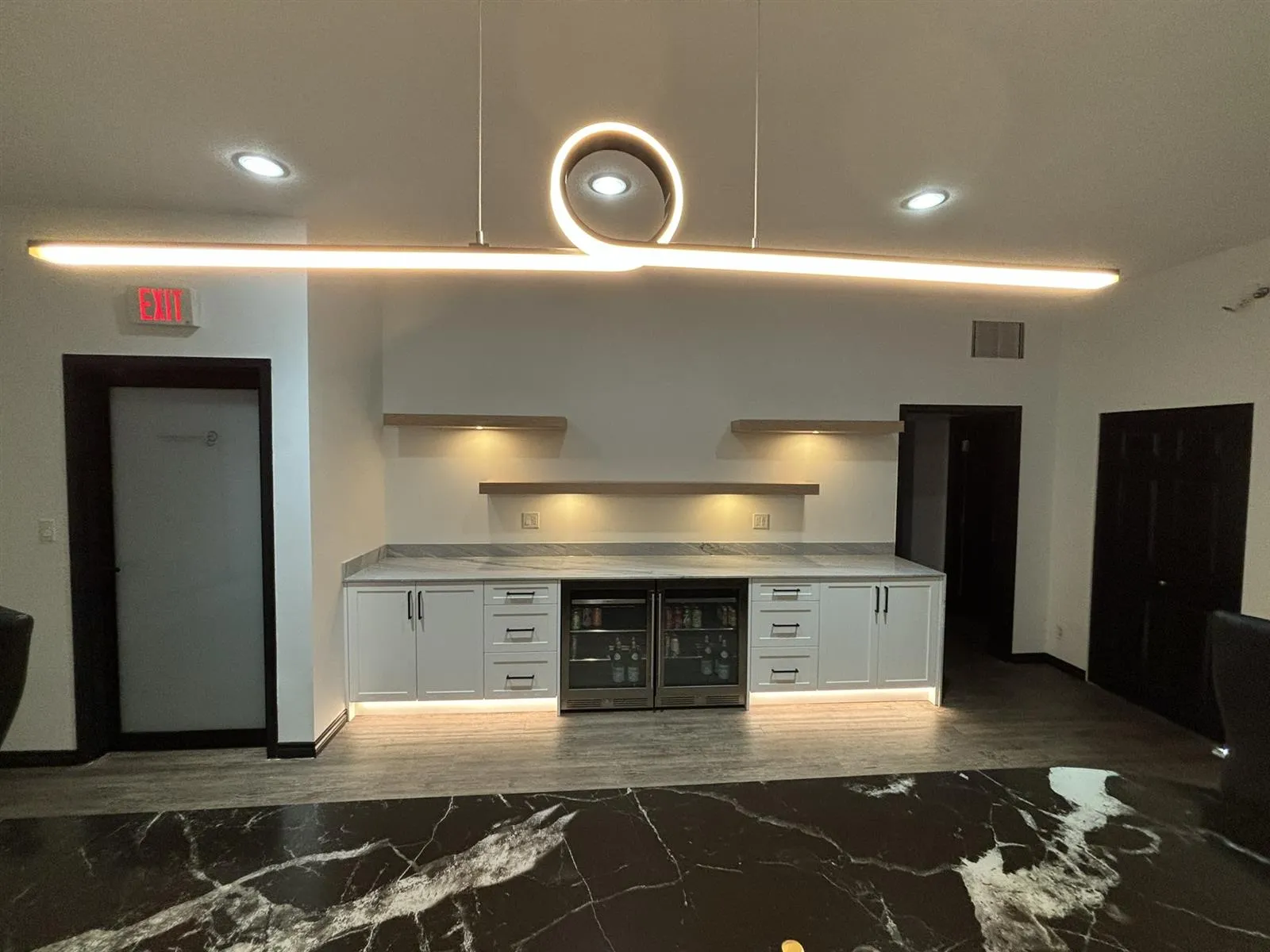
Preparing Your Site for Construction
The success of a commercial renovation is determined long before demolition begins.
While many business owners focus on selecting finishes or choosing furniture, experienced contractors know that proper site preparation is what keeps projects organized, safe, and on schedule.
Preparing a commercial space for construction isn’t simply about moving furniture out of the way. It involves coordinating access, protecting existing assets, ensuring regulatory compliance, confirming logistics, and establishing clear communication between everyone involved in the project.
At Anilson Construction, we consider site preparation to be the final stage of pre-construction planning and the first step toward a successful build.
Why Site Preparation Matters
Commercial construction sites are active workplaces involving multiple trades, material deliveries, specialized equipment, inspections, and ongoing coordination.
Without proper preparation, projects can experience unnecessary delays before construction even begins.
Common issues include:
- Delayed access to the building
- Incomplete landlord approvals
- Occupied workspaces that haven’t been cleared
- Materials arriving before storage areas are ready
- Building management restrictions not communicated to trades
- Security or access credentials not arranged
- Existing equipment left in work areas
- Businesses operating without a temporary relocation plan
Addressing these details before construction begins allows work to start efficiently and safely.
Confirming Access to the Building
One of the first items confirmed before mobilization is site access.
Depending on the building, this may include:
- Building access cards or keys
- Elevator reservations
- Loading dock scheduling
- Contractor parking
- Delivery routes
- Security procedures
- After-hours access
- Weekend work approvals
Many office buildings and commercial complexes require contractors to follow strict building management procedures before work can begin.
Confirming these requirements early helps avoid unnecessary delays on the first day of construction.
Protecting Existing Areas
Not every renovation involves an empty building.
Many tenant improvements occur while neighbouring businesses remain fully operational.
Protecting existing finishes and minimizing disruption are critical parts of commercial construction.
Site protection may include:
- Temporary dust barriers
- Floor protection
- Elevator protection
- Corridor protection
- Plastic containment walls
- Negative air systems when required
- Protection of existing millwork
- Protection of HVAC equipment
- Temporary signage directing occupants safely around construction
Protecting the surrounding environment is often just as important as the renovation itself.
Clearing the Work Area
Before construction begins, the designated work area should be prepared for demolition and renovation activities.
Depending on the project, this may involve:
- Removing furniture
- Disconnecting equipment
- Relocating inventory
- Backing up computer systems
- Protecting sensitive equipment
- Removing valuable documents
- Relocating employees
- Disconnecting specialty equipment where required
A clean, organized workspace allows demolition and construction crews to work more efficiently while reducing the risk of accidental damage.
Coordinating Material Deliveries
Commercial construction depends on careful scheduling.
Ordering materials too early can create storage problems.
Ordering too late can delay the project.
Before work begins, contractors typically coordinate:
- Long-lead materials
- Delivery schedules
- On-site storage locations
- Crane access if required
- Waste bin placement
- Equipment deliveries
- Temporary power requirements
Proper logistics help maintain steady progress throughout construction.
Safety Before Construction Begins
Every commercial construction project should begin with a safety plan.
This includes identifying potential hazards before work starts.
Examples include:
- Emergency exit routes
- Fire extinguisher locations
- First aid procedures
- Site orientation for workers
- Hazard identification
- Utility shut-off locations
- Building emergency contacts
- WorkSafeBC requirements
- Personal protective equipment (PPE)
A well-organized construction site is also a safer construction site.
Communication Before Day One
One of the simplest ways to avoid confusion during construction is establishing clear communication before work begins.
Everyone involved should understand:
- Who the primary project contact is
- How site questions will be handled
- Who approves project changes
- Building management contacts
- Consultant contacts
- Inspection coordination
- Expected working hours
- Weekly progress meetings
- Reporting procedures
Clear communication reduces misunderstandings and helps maintain project momentum.
The Anilson Pre-Site Lockdown™ Checklist
Before mobilizing to site, we complete our Pre-Site Lockdown™ process to reduce avoidable delays and change orders during construction.
Our checklist includes:
✓Permit approvals confirmed
✓Consultant drawings coordinated
✓Building management approvals received
✓Site access arranged
✓Working hours confirmed
✓Construction schedule finalized
✓Material orders placed
✓Long-lead items verified
✓Trade schedules coordinated
✓Existing conditions reviewed
✓Utility locations confirmed
✓Site protection plan established
✓Safety procedures communicated
✓Primary client contacts identified
✓Communication protocols established
This process doesn’t eliminate every unforeseen condition—but it significantly reduces unnecessary interruptions once construction begins.
What Clients Can Do Before Construction Starts
Business owners also play an important role in preparing for a successful renovation.
Before your contractor arrives, consider:
- Finalizing outstanding design decisions
- Informing employees about construction schedules
- Removing important documents and personal belongings
- Backing up business data if systems will be affected
- Coordinating temporary workspaces if necessary
- Confirming access with property management
- Reviewing approved drawings one final time
- Preparing for temporary business disruptions where applicable
These simple steps help construction begin smoothly while allowing your contractor to focus on delivering the project efficiently.
Key Takeaways
- Successful commercial renovations begin with thorough site preparation.
- Building access, logistics, and communication should be coordinated before construction starts.
- Protecting existing finishes and occupied spaces minimizes disruption to neighbouring businesses.
- Early planning for deliveries, safety, and scheduling helps maintain project momentum.
- The Pre-Site Lockdown™ process reduces avoidable delays, minimizes change orders, and creates a more predictable construction experience for everyone involved.
When construction begins, every crew member should know where they’re working, what they’re building, and what success looks like before the first tool is unloaded. That’s the difference between simply starting a project—and starting it the right way.
The Sequence of Commercial Construction
One of the most common misconceptions about commercial construction is that different trades can simply work whenever they’re available.
In reality, every successful commercial renovation follows a carefully planned sequence.
Each phase of construction builds upon the one before it. If that sequence is interrupted, delayed, or completed out of order, the consequences often include additional labour, material waste, scheduling conflicts, failed inspections, and unnecessary costs.
At Anilson Construction, we refer to this principle as The Sequence of Scope™—a project management philosophy that ensures every stage of construction is completed at the appropriate time, allowing each trade to perform its work efficiently without disrupting those that follow.
Understanding this sequence helps business owners appreciate why certain decisions must be made early and why changing completed work almost always increases project costs.
Why Construction Follows a Sequence
Commercial construction is much like assembling a complex machine.
Every component depends on the one before it.
You cannot install ceiling tiles before the mechanical systems above them have been inspected.
You cannot paint finished walls before drywall has been taped, sanded, and approved.
You cannot install millwork until flooring elevations have been confirmed.
Attempting to shortcut this process usually results in completed work being removed and rebuilt—a costly outcome that proper planning is designed to avoid.
The Sequence of Scope™ exists to protect the project, not to limit flexibility.
Phase 1: Site Protection and Demolition
Every project begins by preparing the site.
Temporary protection is installed to safeguard existing finishes, common areas, elevators, and occupied spaces before demolition begins.
Once protection is complete, demolition crews remove existing walls, ceilings, flooring, millwork, and other components identified in the approved drawings.
Demolition also provides the first opportunity to inspect hidden building conditions that were not visible during the initial site assessment.
Phase 2: Structural Modifications
If structural work is required, it is completed immediately after demolition.
This may include:
- Structural steel installation
- Beam reinforcement
- New openings in load-bearing walls
- Concrete modifications
- Seismic upgrades
- Structural framing
Completing structural work first establishes the framework that every other trade relies upon.
Phase 3: Framing
Once the structure is ready, interior layouts begin taking shape.
Steel stud framing defines:
- Offices
- Treatment rooms
- Retail spaces
- Washrooms
- Storage areas
- Corridors
- Meeting rooms
Accurate framing ensures that future mechanical, electrical, and plumbing systems can be installed exactly where intended.
Phase 4: Mechanical, Electrical, Plumbing and Fire Protection (MEPF)
With framing complete, specialized trades begin installing the building’s essential infrastructure.
This stage typically includes:
- Electrical rough-ins
- Plumbing rough-ins
- HVAC ductwork
- Fire sprinkler modifications
- Data and communication cabling
- Security systems
- Audio-visual wiring
- Mechanical equipment
Because much of this work will later be concealed behind walls and ceilings, inspections are typically required before construction proceeds.
Phase 5: Inspections Before Closure
Before insulation and drywall are installed, municipal inspectors and consultants may review completed rough-in work.
Depending on the project, inspections may include:
- Building
- Electrical
- Plumbing
- Mechanical
- Fire protection
- Structural
Passing these inspections confirms that concealed systems meet applicable building codes before they become inaccessible.
Phase 6: Insulation and Drywall
Once approvals have been received, walls and ceilings begin to close.
This phase generally includes:
- Acoustic insulation
- Thermal insulation
- Fire-rated assemblies
- Drywall installation
- Taping
- Mudding
- Sanding
- Fire stopping
The project now begins transitioning from construction to finished space.
Phase 7: Ceiling Systems and Interior Finishes
With walls complete, visible finishes begin transforming the space.
This stage often includes:
- T-bar ceilings
- Acoustic ceiling tiles
- Painting
- Flooring
- Interior doors
- Trim
- Glass partitions
- Millwork
- Cabinetry
- Washroom accessories
These finishes create the professional appearance that occupants ultimately experience.
Phase 8: Electrical and Mechanical Finishing
After major finishes are complete, specialized trades return for final installation.
This typically includes:
- Light fixtures
- Switches
- Receptacles
- Plumbing fixtures
- HVAC diffusers
- Thermostats
- Fire alarm devices
- Security equipment
- Network hardware
Every system is tested to ensure it performs as designed.
Phase 9: Final Inspections and Deficiency Review
As construction nears completion, the project undergoes comprehensive inspections.
These verify:
- Building code compliance
- Life safety systems
- Accessibility requirements
- Mechanical operation
- Electrical functionality
- Plumbing performance
- Fire protection systems
Any remaining deficiencies are documented and corrected before project completion.
Phase 10: Project Turnover
The final stage involves more than simply handing over the keys.
Project closeout typically includes:
- Final walkthrough
- Deficiency completion
- Occupancy documentation where required
- Warranty information
- Maintenance instructions
- As-built documentation (when applicable)
- Client orientation
Only after these steps are complete is the renovation considered substantially complete.
Why Changing the Sequence Becomes Expensive
Understanding the Sequence of Scope™ also explains why late project changes often become costly.
Imagine deciding to relocate a wall after drywall has already been painted.
That single revision could require:
- Demolition
- New framing
- Electrical revisions
- HVAC modifications
- Fire sprinkler relocation
- Drywall replacement
- Painting
- Flooring repairs
- Additional inspections
What appears to be one small change may involve six or seven different trades revisiting completed work.
This is why contractors encourage clients to finalize decisions before construction reaches each stage.
The Anilson Approach: Building in the Right Order
At Anilson Construction, every commercial renovation is planned around The Sequence of Scope™.
Our project schedules are developed to ensure each trade has the information, access, and completed work necessary to perform efficiently without interfering with others.
This disciplined approach helps us:
- Reduce unnecessary rework
- Improve scheduling accuracy
- Coordinate inspections effectively
- Minimize change orders
- Improve construction quality
- Protect project budgets
- Deliver more predictable project timelines
Rather than rushing from one task to another, we focus on completing each phase correctly before moving to the next.
That’s one of the reasons successful commercial projects appear to progress so smoothly—they’re following a sequence that has been carefully planned from the very beginning.
Key Takeaways
- Commercial construction follows a logical sequence that allows each trade to build upon the work completed before it.
- Interrupting that sequence often results in additional labour, material costs, and scheduling delays.
- Inspections occur throughout construction—not only at the end of the project.
- The Sequence of Scope™ helps protect budgets, improve efficiency, and maintain construction quality.
- Completing each phase correctly before moving to the next creates a safer, more organized, and more predictable renovation.
When clients understand the sequence behind commercial construction, they gain a clearer picture of how successful projects are delivered. Great renovations don’t happen because trades work harder—they happen because every stage is carefully planned, properly coordinated, and completed in the right order.
Working in Occupied Buildings
Unlike new construction, many commercial renovations take place in buildings that remain fully occupied throughout the project.
Employees continue working, customers continue visiting, patients continue attending appointments, and neighbouring tenants continue operating their businesses. Successful commercial renovations require more than quality construction—they require careful planning, communication, and respect for the people using the building every day.
Working in occupied buildings presents unique challenges that demand a higher level of project management, coordination, and professionalism.
At Anilson Construction, minimizing disruption is just as important as delivering a high-quality finished space.
What Is an Occupied Building?
An occupied building is any property that continues normal operations while construction is underway.
Examples include:
- Office buildings
- Medical clinics
- Dental practices
- Veterinary clinics
- Retail stores
- Shopping centres
- Restaurants
- Warehouses
- Industrial facilities
- Mixed-use commercial buildings
- Strata common areas
Unlike vacant spaces, these projects require construction activities to be carefully coordinated around the daily operations of the building.
Understanding Business Continuity
Every hour of unnecessary disruption can affect a business.
Medical appointments may need to be rescheduled.
Retail stores may lose customers.
Office staff may struggle to work productively.
Property managers may receive complaints from neighbouring tenants.
A successful contractor understands that construction is only one part of the project.
Maintaining business continuity is equally important.
Before construction begins, we work with clients and property management to understand how the building operates and develop a construction plan that minimizes operational impacts wherever possible.
Planning Construction Around Operations
Every occupied building operates differently.
Some businesses require complete daytime access for staff and customers.
Others can accommodate evening or weekend work.
During pre-construction planning, important considerations include:
- Operating hours
- Peak business periods
- Employee access
- Customer entrances
- Emergency exits
- Delivery schedules
- Shared building amenities
- Elevator availability
- Noise restrictions
- Building management requirements
Understanding these operational requirements allows construction activities to be scheduled with minimal disruption.
Dust and Debris Control
One of the biggest concerns during interior renovations is dust migration.
Without proper containment, dust can travel through shared corridors, ventilation systems, and neighbouring tenant spaces.
Depending on the project, effective dust control may include:
- Temporary dust barriers
- Sealed construction partitions
- Floor protection
- HEPA air filtration
- Negative air machines
- Daily site cleaning
- Waste removal procedures
- Protection of existing finishes
Keeping the work area clean isn’t simply about appearance—it’s an important part of maintaining a safe and professional construction environment.
Noise Management
Commercial renovations inevitably generate noise.
Demolition, drilling, saw cutting, fastening systems, and material deliveries all contribute to construction activity.
Where possible, higher-noise operations should be scheduled during periods that minimize disruption to building occupants.
Examples include:
- Early morning mobilization
- After-hours demolition
- Weekend structural work
- Scheduled shutdown periods
- Coordinated noisy activities during tenant breaks
Proactive communication allows occupants to prepare for temporary disruptions rather than being surprised by them.
Maintaining Safe Access
Construction should never compromise safe access to occupied spaces.
Throughout the project, contractors should ensure:
- Emergency exits remain accessible
- Public walkways remain protected
- Temporary signage is clearly visible
- Accessible routes remain available
- Fire safety systems remain operational
- Temporary barriers are securely installed
When access changes are necessary, building occupants should be informed in advance.
Protecting Existing Property
Commercial renovations often take place immediately adjacent to occupied offices or operational businesses.
Protecting existing property is essential.
This may include protecting:
- Flooring
- Elevators
- Corridor walls
- Millwork
- Furniture
- IT equipment
- Medical equipment
- Retail displays
- Warehouse inventory
- Shared building finishes
Proper protection reduces the risk of accidental damage and helps preserve the condition of surrounding spaces.
Coordinating With Property Management
Property managers play an essential role in many commercial renovation projects.
Before construction begins, contractors often coordinate:
- Building access procedures
- Elevator bookings
- Loading dock schedules
- Contractor parking
- Security requirements
- Working hour restrictions
- Fire alarm procedures
- Waste disposal locations
- Temporary shutdowns
- Building-specific construction policies
Maintaining open communication with property management helps construction proceed smoothly while respecting the needs of the entire building.
Communication Throughout Construction
One of the simplest ways to reduce frustration during a renovation is consistent communication.
Occupants appreciate knowing:
- What work is happening
- When noisy activities are scheduled
- Which entrances remain open
- Whether utilities will be temporarily interrupted
- When inspections are taking place
- Expected project milestones
- Upcoming changes affecting daily operations
Clear communication helps build confidence and reduces uncertainty throughout the construction process.
The Anilson Approach: Respecting Your Business While We Build
Every commercial renovation affects more than the construction site itself.
It affects employees, customers, patients, neighbouring tenants, and building operations.
That’s why our planning extends beyond the drawings.
Before work begins, we coordinate with property managers, consultants, and our clients to understand operational requirements, establish communication protocols, and develop a construction schedule that works around the realities of the building whenever practical.
Our goal is simple: deliver a high-quality renovation while allowing your business—or the businesses around you—to continue operating safely and efficiently.
Key Takeaways
- Many commercial renovations take place while buildings remain fully occupied.
- Protecting business operations requires careful planning, scheduling, and communication.
- Dust control, noise management, and safe access are critical components of occupied-building construction.
- Close coordination with property management helps avoid unnecessary disruptions.
- Professional contractors focus not only on building the space but also on protecting the people and businesses around it.
A successful commercial renovation should improve your business—not unnecessarily interrupt it. Through careful planning, disciplined site management, and proactive communication, construction can often proceed while maintaining a safe, professional, and functional environment for everyone in the building.
Site Safety, Dust Control & Business Continuity
Protecting People, Property, and Productivity During Construction
A successful commercial renovation isn’t measured solely by the quality of the finished space.
It’s also measured by how safely, professionally, and efficiently the project was completed.
For many businesses, construction takes place while employees continue working, customers continue visiting, patients continue receiving care, and neighbouring tenants continue operating as usual. Every decision made on the job site has the potential to affect not only the construction schedule but also the people who occupy the building.
That’s why site safety, environmental control, and business continuity are fundamental parts of every professionally managed commercial renovation.
At Anilson Construction, we believe protecting your people and your operations is just as important as building your new space.
Safety Begins Before Construction Starts
Effective site safety doesn’t begin on the first day of construction—it begins during planning.
Before mobilization, contractors should identify potential risks, review building-specific requirements, coordinate with property management, and establish procedures that protect workers, occupants, and visitors throughout the project.
This preparation may include:
- Reviewing emergency access routes
- Identifying utility shut-off locations
- Confirming building evacuation procedures
- Establishing site access protocols
- Reviewing building-specific safety requirements
- Planning material delivery routes
- Identifying high-risk work activities
- Coordinating temporary protection measures
Planning ahead significantly reduces the likelihood of unexpected safety issues once work begins.
Maintaining a Safe Construction Site
Commercial construction sites are constantly changing environments.
As demolition progresses and new materials arrive, hazards must be continuously monitored and managed.
Professional site management includes:
- Maintaining clean and organized work areas
- Clearly identifying restricted construction zones
- Securing tools and equipment when not in use
- Keeping emergency exits unobstructed
- Managing extension cords and temporary power safely
- Removing waste materials regularly
- Protecting occupants from active work areas
- Conducting routine site inspections
A clean site is generally a safer site.
Good housekeeping reduces trip hazards, improves productivity, and creates a more professional working environment.
Dust Control Is More Than Keeping Things Clean
Dust is one of the most significant challenges during interior commercial renovations.
Without proper containment, airborne dust can travel through ventilation systems, settle on equipment, affect indoor air quality, and disrupt neighbouring businesses.
This is particularly important in environments such as:
- Medical clinics
- Dental offices
- Veterinary hospitals
- Professional offices
- Retail stores
- Food service businesses
- Technology companies with sensitive equipment
Effective dust management protects both the renovation area and the surrounding occupied spaces.
Strategies for Dust Control
Every project presents different challenges, but depending on the scope of work, dust control measures may include:
- Temporary dust containment walls
- Floor-to-ceiling poly barriers
- Sealed doorways
- Floor protection
- HEPA-filtered air scrubbers
- Negative air systems
- Controlled demolition methods
- Frequent site cleaning
- Daily debris removal
- Protection of existing HVAC systems
The objective is simple: keep dust where it’s created and prevent it from affecting occupied areas of the building.
Noise and Vibration Management
Construction inevitably generates noise.
However, good project planning helps minimize unnecessary disruption.
Whenever practical, louder activities such as demolition, concrete cutting, steel drilling, or heavy fastening can be scheduled during periods that have the least impact on building occupants.
This may involve:
- After-hours work
- Weekend construction
- Coordinating noisy activities with the client
- Sequencing work to reduce repeated disruptions
- Providing advance notice to neighbouring tenants
Clear communication often has just as much value as the scheduling itself.
People are generally more understanding when they know what to expect.
Maintaining Business Continuity
For many businesses, temporarily closing during a renovation isn’t practical.
Business continuity planning helps organizations continue operating while construction progresses.
Depending on the project, this may involve:
- Phased construction
- Temporary workspaces
- Maintaining public access
- Temporary partitions
- Coordinated utility shutdowns
- Scheduled equipment relocations
- Maintaining emergency egress
- Protecting critical business infrastructure
Every project is different, which is why construction schedules should be tailored to the client’s operational requirements whenever possible.
Protecting Existing Property
A commercial renovation often takes place inside an existing investment that still contains valuable assets.
Protecting those assets is an essential part of professional construction.
This may include safeguarding:
- Existing flooring
- Elevators
- Common corridors
- Glass storefronts
- Furniture
- Millwork
- IT infrastructure
- Medical equipment
- Warehouse inventory
- Finished architectural surfaces
Preventing damage is always more efficient than repairing it after the fact.
Coordination With Building Management
Commercial renovations rarely involve only the contractor and the client.
Property managers, landlords, consultants, neighbouring tenants, and building operations staff all play important roles throughout construction.
Successful coordination typically includes:
- Elevator reservations
- Loading dock scheduling
- Building access credentials
- Waste disposal procedures
- Fire alarm coordination
- Temporary service interruptions
- Security requirements
- Building operating hours
- Site inspections
- Regular project updates
Strong communication between all parties helps maintain a safe and organized project from beginning to end.
The Anilson Approach: Building Safely While Your Business Keeps Moving
At Anilson Construction, safety extends beyond regulatory compliance.
Our goal is to create an organized construction environment that protects workers, clients, neighbouring tenants, and the long-term value of the property.
Every project begins with planning.
Throughout construction, we maintain disciplined housekeeping, coordinate closely with property management, implement practical dust control measures, and communicate proactively whenever work may affect normal building operations.
By combining thoughtful planning with disciplined site management, we help businesses continue operating while construction progresses safely and efficiently.
Key Takeaways
- Site safety begins during pre-construction planning—not after work starts.
- Clean, organized job sites improve safety, productivity, and professionalism.
- Effective dust control protects occupants, equipment, and neighbouring businesses.
- Business continuity planning allows many organizations to remain operational during construction.
- Regular communication with clients and property managers helps minimize disruption and maintain a safe working environment.
- Professional contractors protect not only the new construction but also the existing building, its occupants, and the client’s day-to-day operations.
A well-managed commercial renovation should leave a lasting impression for the quality of the finished space—not for the disruption it caused along the way. Careful planning, disciplined site management, and a proactive approach to safety allow construction and business operations to coexist successfully.
Quality Control & Project Communication
Delivering Predictable Commercial Renovation Projects
The quality of a commercial renovation isn’t determined by the final walkthrough.
It’s determined by the thousands of decisions, inspections, and conversations that take place throughout the project.
Many people associate quality control with checking paint colours, inspecting flooring, or identifying deficiencies at the end of construction. While those final inspections are important, true quality management begins long before finishes are installed.
The same is true for communication.
Successful commercial renovations don’t happen because problems never arise—they happen because issues are identified early, communicated clearly, and resolved before they become costly delays.
At Anilson Construction, quality control and communication are integrated into every stage of the project, from the initial consultation through project closeout.
Quality Is Built Into the Process
Quality isn’t something that can be added at the end of construction.
Every phase affects the next.
If framing is inaccurate, drywall installation becomes more difficult.
If plumbing rough-ins are incorrectly located, cabinetry may no longer fit.
If ceiling layouts aren’t coordinated with lighting and HVAC systems, finished spaces may require unnecessary rework.
By focusing on quality throughout construction—not only at completion—potential issues can often be identified and corrected before they affect later stages of the project.
This proactive approach improves efficiency, reduces rework, and helps maintain project schedules.
Quality Control Happens Every Day
Rather than relying solely on a final inspection, professional contractors continuously monitor construction as work progresses.
Typical quality control activities include:
- Reviewing construction against approved drawings
- Verifying dimensions before installation
- Confirming material specifications
- Monitoring workmanship
- Coordinating consultant requirements
- Inspecting completed work before the next trade begins
- Documenting deficiencies promptly
- Verifying corrections before progressing
Small corrections made early are significantly less disruptive than major repairs discovered after finishes have been completed.
The Importance of Trade Coordination
Commercial renovations involve numerous specialized trades working together.
Electricians, plumbers, HVAC technicians, drywall installers, painters, flooring contractors, millwork installers, fire protection contractors, and many others all contribute to the finished project.
Quality depends not only on each individual trade but also on how well their work is coordinated.
For example:
- Lighting locations must align with ceiling layouts.
- Mechanical diffusers should coordinate with lighting and fire sprinklers.
- Millwork must accommodate electrical and plumbing rough-ins.
- Flooring elevations should align with door clearances and accessibility requirements.
Proper coordination helps eliminate conflicts before installation begins.
Documentation Creates Accountability
Clear documentation is one of the most effective quality management tools available.
Throughout construction, important project information should be documented, including:
- Site instructions
- Approved change orders
- Inspection results
- Consultant revisions
- Material substitutions
- Client approvals
- Progress updates
- Deficiency lists
Accurate records reduce misunderstandings and ensure that everyone is working from the same information.
Documentation also provides valuable reference material if questions arise later in the project.
Communication Is Project Management
Communication isn’t simply providing updates.
It’s ensuring that the right information reaches the right people at the right time.
Throughout a commercial renovation, multiple stakeholders may be involved, including:
- Business owners
- Property managers
- Landlords
- Architects
- Engineers
- Municipal inspectors
- Building consultants
- Subcontractors
- Suppliers
Without structured communication, even a well-planned project can experience unnecessary delays.
The 48-Hour Decision Rule™
One of the most common causes of construction delays is waiting for project decisions.
Whether it’s approving a finish, confirming a layout adjustment, or responding to a consultant’s request, delayed decisions can affect multiple trades working on site.
At Anilson Construction, we encourage what we call the 48-Hour Decision Rule™.
Whenever practical, project questions should be reviewed and answered within forty-eight hours.
Timely decisions help maintain construction momentum, reduce scheduling conflicts, and prevent crews from waiting unnecessarily.
While some decisions naturally require additional time, maintaining consistent communication throughout the project helps keep work progressing efficiently.
Managing Issues Before They Become Problems
Every commercial renovation encounters challenges.
Unexpected site conditions.
Material lead times.
Consultant revisions.
Building-specific requirements.
The difference between a successful project and a difficult one often comes down to how quickly these issues are identified and addressed.
Professional project management focuses on:
- Identifying risks early
- Evaluating available solutions
- Communicating impacts clearly
- Coordinating affected trades
- Updating schedules where required
- Keeping clients informed throughout the process
Addressing challenges early helps reduce their impact on the overall project.
Transparency Builds Trust
Clients should never be left wondering what is happening on their project.
Regular communication creates confidence and allows informed decisions to be made when necessary.
Depending on the project, communication may include:
- Scheduled progress updates
- Site meetings
- Construction photographs
- Schedule reviews
- Inspection updates
- Change order discussions
- Milestone confirmations
- Deficiency reviews
Open communication creates stronger working relationships and reduces uncertainty throughout construction.
Project Closeout and Final Quality Review
As construction nears completion, every project enters a final quality review process.
This stage typically includes:
- Comprehensive walkthroughs
- Deficiency identification
- Completion of outstanding work
- System testing
- Final inspections
- Client orientation
- Warranty documentation
- Project turnover
Rather than treating deficiencies as problems, they should be viewed as part of the final refinement process that ensures the completed space meets the agreed project standards.
The Anilson Approach: Predictable Project Delivery™
Every commercial renovation is ultimately judged by two things:
Did the finished space meet expectations?
Was the experience of getting there professional, organized, and predictable?
At Anilson Construction, we believe quality and communication are inseparable.
Our approach combines careful planning, disciplined trade coordination, continuous quality verification, transparent communication, and structured project management throughout every phase of construction.
From the initial consultation through final project turnover, our objective is simple:
Deliver commercial renovations that clients can have confidence in—not only because of how they look, but because of how they were managed.
Key Takeaways
- Quality control begins before construction starts and continues throughout every phase of the project.
- Continuous inspections help identify issues early, reducing costly rework later.
- Successful commercial renovations rely on effective coordination between multiple specialized trades.
- Clear documentation improves accountability, transparency, and decision-making.
- Timely communication helps maintain project schedules and reduces unnecessary delays.
- Structured project management creates more predictable outcomes for clients, consultants, and contractors alike.
A successful commercial renovation isn’t defined by the absence of challenges—it’s defined by how effectively those challenges are managed. Through consistent quality control, proactive communication, and disciplined project management, commercial projects can be delivered with greater confidence, fewer surprises, and better long-term results.
Commercial Construction Systems
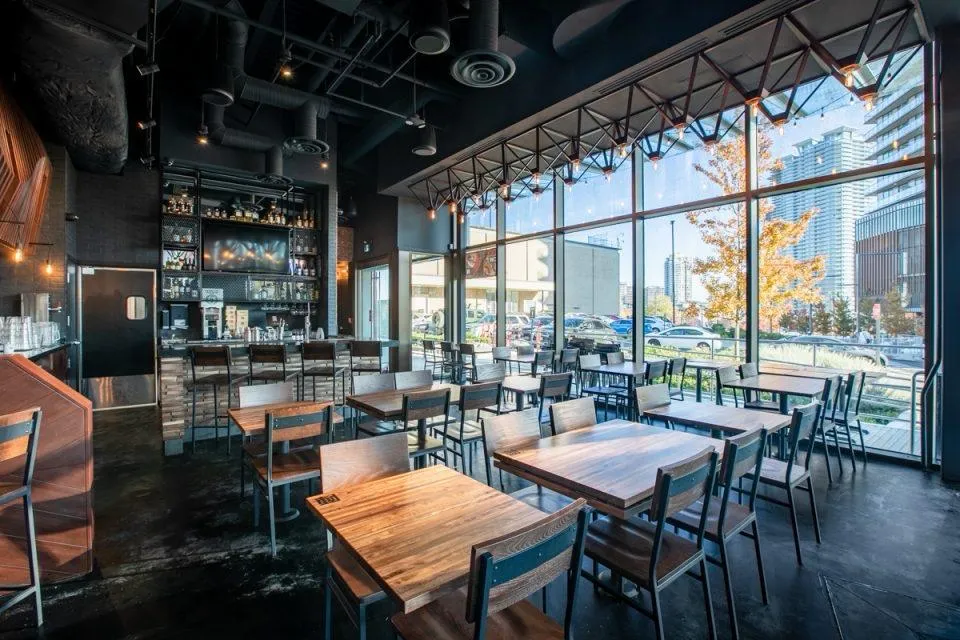
Steel Stud Framing
The Structural Backbone of Modern Commercial Interiors
Walk into almost any modern office, medical clinic, retail store, or commercial tenant improvement, and you’ll rarely see the structure hidden behind the finished walls.
Beneath the drywall, insulation, paint, and millwork is a carefully engineered framing system that defines the layout of the entire space.
In commercial construction, that system is almost always built using steel stud framing.
Steel studs form the framework that supports interior walls, accommodates building services, creates fire-rated assemblies, and provides the foundation for nearly every commercial interior renovation.
Although most occupants never see them, steel studs play one of the most important roles in the success of a commercial renovation.
What Is Steel Stud Framing?
Steel stud framing is a non-combustible interior wall framing system manufactured from cold-formed galvanized steel.
Unlike traditional wood framing commonly found in residential construction, steel studs are specifically designed to meet the performance, durability, and fire safety requirements of commercial buildings.
They provide the structural framework for:
- Office partitions
- Medical treatment rooms
- Retail spaces
- Conference rooms
- Corridors
- Storage rooms
- Washrooms
- Mechanical rooms
- Fire-rated separations
- Tenant demising walls
Once installed, steel framing serves as the foundation for insulation, electrical systems, plumbing, drywall, doors, glazing systems, and interior finishes.
Why Commercial Buildings Use Steel Instead of Wood
Commercial construction places different demands on building materials than residential construction.
Businesses require spaces that are durable, code-compliant, adaptable, and capable of supporting complex building systems.
Steel framing offers several advantages that make it the preferred choice for most commercial interiors.
Fire Resistance
One of the primary reasons steel is used in commercial buildings is its non-combustible nature.
While drywall and insulation contribute to a wall’s fire rating, the framing itself does not add combustible material to the assembly.
This allows properly designed wall systems to achieve the fire-resistance ratings required by the British Columbia Building Code and local authorities.
Dimensional Stability
Unlike wood, steel does not shrink, twist, warp, or expand due to changes in moisture content.
This helps maintain straighter walls, more consistent door openings, and improved finish quality over time.
For commercial spaces where precision matters—such as medical clinics, offices, and retail environments—dimensional stability contributes to a higher-quality finished product.
Precision and Consistency
Steel studs are manufactured to consistent dimensions, allowing walls to be framed accurately and efficiently.
This precision is especially important when coordinating multiple building systems, including electrical, plumbing, HVAC, millwork, glazing, and suspended ceiling systems.
Accurate framing also reduces conflicts during later stages of construction.
Adaptability
Commercial spaces often change over time.
Businesses expand, departments relocate, and tenants reconfigure their layouts.
Steel stud framing allows interior partitions to be modified more easily than many traditional structural systems, making future renovations more practical.
Components of a Steel Stud Wall
Although completed walls appear simple, each assembly consists of multiple coordinated components.
A typical commercial partition may include:
- Steel tracks
- Vertical steel studs
- Structural bracing where required
- Acoustic insulation
- Thermal insulation (where applicable)
- Fire stopping
- Electrical rough-ins
- Data and communication cabling
- Plumbing rough-ins (where applicable)
- Drywall
- Joint treatment
- Paint or wall finishes
Every component must be installed in the correct sequence to ensure the wall performs as intended.
Choosing the Right Stud Size
Not every wall is framed the same way.
Stud size, spacing, and gauge are selected based on several project-specific factors.
These may include:
- Wall height
- Required fire rating
- Acoustic performance
- Structural loading
- Door openings
- Wall-mounted equipment
- Plumbing requirements
- Mechanical systems
- Future flexibility
For example, a medical clinic supporting wall-mounted diagnostic equipment may require additional reinforcement compared to a standard office partition.
Similarly, taller office walls may require heavier gauge steel or additional lateral bracing to maintain rigidity.
Selecting the appropriate framing system during design helps avoid costly modifications later in the project.
Fire-Rated Wall Assemblies
Many commercial renovations require fire-rated wall assemblies to help slow the spread of fire and smoke between occupancies or critical areas of a building.
Examples include:
- Tenant separations
- Exit corridors
- Mechanical rooms
- Electrical rooms
- Storage rooms
- Shared building walls
Achieving the required fire rating depends on the complete wall assembly—not simply the drywall.
The framing, insulation, fasteners, joint treatment, penetrations, and fire stopping must all work together as part of a tested system.
Improper installation can compromise the performance of the entire assembly.
Acoustic Performance
Modern commercial spaces increasingly prioritize privacy and noise control.
Steel stud walls can be designed to improve sound isolation between spaces through the use of:
- Acoustic insulation
- Resilient channels
- Double stud walls
- Staggered stud assemblies
- Specialized drywall systems
- Acoustic sealants
These assemblies are commonly used in:
- Medical clinics
- Meeting rooms
- Executive offices
- Counselling rooms
- Legal offices
- Educational facilities
Good acoustic design improves both occupant comfort and workplace productivity.
Coordinating Other Building Systems
Steel framing is more than simply installing walls.
It creates the framework that every other trade depends upon.
Before drywall is installed, the framing must accommodate:
- Electrical conduits
- Plumbing piping
- HVAC ductwork
- Fire sprinkler piping
- Data cabling
- Security systems
- Audio-visual infrastructure
- Door frames
- Millwork backing
- Accessibility requirements
Careful coordination at this stage reduces conflicts later in construction and supports the Sequence of Scope™ discussed earlier in this guide.
Common Mistakes During Framing
Many problems discovered later in construction originate during the framing stage.
Examples include:
- Incorrect wall locations
- Inaccurate dimensions
- Missing structural backing
- Improper door openings
- Poor coordination with mechanical systems
- Inadequate blocking for wall-mounted fixtures
- Misaligned ceiling layouts
- Failure to maintain fire-rated assemblies
Because so many trades rely on the framing layout, correcting these issues after drywall has been installed can become both expensive and time-consuming.
The Anilson Approach: Building the Right Foundation
At Anilson Construction, steel stud framing is viewed as one of the most critical stages of a commercial renovation.
Before framing begins, we verify dimensions against approved drawings, coordinate consultant information, review mechanical and electrical layouts, and confirm major equipment locations.
During installation, our focus is on precision, coordination, and preparation for the trades that follow.
A properly framed project creates the foundation for efficient construction, accurate installations, and high-quality finishes throughout the remainder of the renovation.
Getting the framing right from the beginning helps every subsequent phase of the project proceed more smoothly.
Key Takeaways
- Steel stud framing forms the structural framework for most commercial interior renovations.
- Steel provides excellent fire resistance, dimensional stability, durability, and long-term performance.
- Proper framing supports electrical, plumbing, HVAC, fire protection, drywall, and architectural finishes.
- Accurate coordination during framing reduces conflicts, improves construction efficiency, and minimizes costly rework.
- Fire-rated and acoustically rated wall assemblies depend on the complete wall system—not individual materials.
- Precision during the framing stage establishes the foundation for a successful commercial renovation.
Although steel framing disappears behind finished walls, its importance remains throughout the life of the building. Well-planned, accurately installed framing creates stronger, safer, and more adaptable commercial spaces that continue serving businesses long after construction is complete.
Drywall & Fire-Rated Assemblies
More Than Just Finished Walls
When people walk through a newly completed office, medical clinic, retail store, or commercial space, they often notice the paint colour, lighting, flooring, and architectural finishes.
What they don’t see is one of the most important building systems hidden behind those finished surfaces.
Drywall is far more than a smooth wall ready for paint.
In commercial construction, drywall plays a critical role in fire protection, acoustic privacy, structural performance, and the overall safety of the building.
When combined with steel stud framing, insulation, fire stopping, and properly sealed penetrations, drywall becomes part of a carefully engineered wall assembly designed to meet strict performance standards established by the British Columbia Building Code.
Understanding how these systems work together helps explain why drywall installation is one of the most carefully coordinated phases of a commercial renovation.
What Is Drywall?
Drywall, sometimes referred to as gypsum board or gypsum wallboard, is one of the most commonly used interior finishing materials in commercial construction.
It provides the finished surface for:
- Office walls
- Medical treatment rooms
- Retail spaces
- Boardrooms
- Corridors
- Mechanical rooms
- Washrooms
- Ceilings
- Fire-rated wall assemblies
- Shaft walls
Although drywall appears simple once painted, every sheet forms part of a much larger building system.
Proper installation affects everything from wall durability to occupant safety.
Why Drywall Is Used in Commercial Buildings
Drywall has become the industry standard because it offers an excellent balance of performance, efficiency, and versatility.
Commercial drywall systems provide:
- Fire resistance
- Smooth architectural finishes
- Acoustic separation
- Durability
- Cost efficiency
- Ease of maintenance
- Design flexibility
Its ability to integrate with steel framing, insulation, suspended ceilings, glazing systems, and mechanical services makes it one of the most adaptable materials used in commercial interiors.
Understanding Fire-Rated Assemblies
One of drywall’s most important functions is protecting occupants during a fire.
Many commercial spaces require fire-rated wall and ceiling assemblies that are designed to slow the spread of fire, smoke, and heat, providing valuable time for occupants to evacuate and emergency responders to access the building.
Examples include:
- Tenant separation walls
- Exit corridors
- Mechanical rooms
- Electrical rooms
- Service shafts
- Storage rooms
- Occupancy separations
- Shared walls between businesses
These assemblies are carefully tested and engineered as complete systems.
Achieving the required fire rating depends on every component working together—not simply installing thicker drywall.
What Makes a Fire-Rated Assembly?
A fire-rated wall is much more than drywall attached to steel studs.
Depending on the required rating, a complete assembly may include:
- Steel stud framing
- Fire-rated gypsum board
- Mineral wool insulation
- Approved fasteners
- Joint treatment systems
- Fire-rated sealants
- Fire stopping around penetrations
- Tested connection details
- Manufacturer-approved installation methods
Changing even one component can affect the performance of the entire assembly.
This is why commercial contractors follow tested assembly designs rather than creating custom combinations on site.
Why Penetrations Matter
Every commercial wall eventually contains openings.
Electrical outlets.
Data cabling.
Plumbing.
Medical gas lines.
HVAC ductwork.
Fire sprinkler piping.
Security wiring.
Every penetration through a fire-rated wall has the potential to reduce its effectiveness if not properly protected.
To maintain the required fire rating, penetrations must be sealed using approved fire stopping systems that restore the integrity of the wall assembly.
Proper coordination between trades is essential to ensure these details are completed before project closeout.
Acoustic Performance and Privacy
Commercial drywall systems also play a major role in sound control.
Privacy is particularly important in environments such as:
- Medical clinics
- Counselling offices
- Legal practices
- Accounting firms
- Executive offices
- Boardrooms
- Human resources departments
Depending on project requirements, walls may be designed to achieve specific Sound Transmission Class (STC) ratings through combinations of:
- Acoustic insulation
- Multiple layers of drywall
- Resilient channels
- Acoustic sealants
- Double stud framing
- Specialized gypsum products
Well-designed acoustic assemblies improve both occupant comfort and workplace productivity.
Moisture-Resistant and Specialty Drywall
Not every commercial space uses the same type of drywall.
Different environments require materials designed for specific conditions.
Examples include:
Moisture-Resistant Drywall
Commonly installed in:
- Washrooms
- Staff kitchens
- Janitorial rooms
- Utility spaces
Abuse-Resistant Drywall
Often specified for:
- Schools
- Healthcare facilities
- Public corridors
- High-traffic commercial areas
Impact-Resistant Drywall
Used where walls are more likely to experience accidental damage from carts, equipment, or heavy daily use.
Fire-Rated Gypsum Board
Required wherever building codes specify fire-resistance ratings.
Selecting the appropriate drywall type during design contributes to both durability and long-term performance.
The Drywall Finishing Process
Once drywall has been installed, finishing begins.
This process transforms individual sheets into a seamless architectural surface ready for painting or wall coverings.
Typical finishing includes:
- Taping joints
- Applying joint compound
- Embedding corner bead
- Sanding between coats
- Surface inspection
- Final preparation for primer
The quality of this work has a significant impact on the finished appearance of the space.
Even premium paint cannot compensate for poorly prepared drywall surfaces.
Common Drywall Mistakes
Many visible construction deficiencies originate during drywall installation rather than painting.
Common issues include:
- Poorly aligned joints
- Visible fasteners
- Uneven sanding
- Cracking at joints
- Inadequate backing
- Damaged corners
- Improper fire stopping
- Poor coordination around mechanical penetrations
Most of these issues can be prevented through careful planning, proper sequencing, and continuous quality control throughout construction.
Drywall’s Role in the Sequence of Scope™
Drywall marks an important milestone in every commercial renovation.
Once walls begin closing, much of the mechanical, electrical, plumbing, and fire protection infrastructure becomes concealed.
This is why inspections, consultant reviews, and trade coordination must be completed before drywall installation begins.
Closing walls too early often results in demolition and costly rework later in the project.
Respecting the Sequence of Scope™ ensures that every concealed system has been reviewed and approved before drywall permanently encloses it.
The Anilson Approach: Building Walls That Perform
At Anilson Construction, drywall installation is treated as far more than a finishing trade.
Before installation begins, we verify framing, confirm rough-in inspections, coordinate with mechanical and electrical contractors, and review fire-rated assemblies to ensure every concealed system is ready to be enclosed.
Throughout installation, we monitor workmanship, maintain quality standards, and coordinate closely with subsequent trades so that finished walls perform as intended—not only on the day the project is completed, but for many years afterward.
Whether constructing a medical clinic, office renovation, retail space, or commercial tenant improvement, our focus is on delivering wall systems that meet the functional, safety, and aesthetic requirements of modern commercial buildings.
Key Takeaways
- Drywall is a critical building system that contributes to fire protection, acoustic privacy, durability, and interior finishes.
- Fire-rated wall assemblies depend on every component working together as a tested system.
- Proper fire stopping around penetrations is essential to maintaining the integrity of fire-rated walls.
- Different commercial environments require different drywall products, including moisture-resistant, abuse-resistant, impact-resistant, and fire-rated gypsum board.
- Drywall installation should only begin after mechanical, electrical, plumbing, and fire protection rough-ins have been completed and inspected.
- Careful planning, coordination, and quality control produce wall systems that perform safely, efficiently, and professionally throughout the life of the building.
Although drywall is eventually hidden beneath paint and finishes, its role in commercial construction extends far beyond appearance. When properly designed and installed, drywall assemblies help protect lives, improve privacy, enhance durability, and provide the foundation for safe, functional, and code-compliant commercial spaces.
Suspended (T-Bar) Ceiling Systems
More Than Just Ceiling Tiles
Look up in almost any modern office, medical clinic, retail store, educational facility, or commercial building and you’ll likely see a suspended ceiling system.
Often referred to as a T-bar ceiling, this system does far more than hide the building’s structure.
Above those ceiling tiles is a carefully coordinated network of HVAC ductwork, electrical wiring, lighting, fire sprinkler piping, communication cabling, security systems, and other critical building services that keep a commercial space functioning.
Suspended ceilings provide access to these systems while creating a clean, professional appearance that most people simply take for granted.
Although they may appear straightforward, suspended ceiling systems are among the most carefully coordinated stages of any commercial renovation.
What Is a Suspended Ceiling?
A suspended ceiling, commonly known as a T-bar ceiling, is a secondary ceiling system installed below the building’s structural ceiling.
The system consists of a lightweight metal grid suspended from the structure above using hanger wires.
Ceiling panels are then placed into the grid to create a finished ceiling while allowing access to the building services concealed above.
Unlike drywall ceilings, suspended ceilings are designed to be removable, making future maintenance and renovations significantly easier.
Why Commercial Buildings Use Suspended Ceilings
Commercial buildings contain numerous mechanical and electrical systems that require ongoing inspection, maintenance, and occasional modification.
A suspended ceiling provides convenient access while maintaining a clean architectural appearance.
Common benefits include:
- Easy access to building services
- Faster maintenance and repairs
- Flexible lighting layouts
- Improved acoustics
- Concealed mechanical systems
- Professional finished appearance
- Adaptability for future renovations
- Efficient installation
For businesses that anticipate future growth or layout changes, suspended ceilings offer valuable long-term flexibility.
Components of a T-Bar Ceiling System
Although ceiling systems appear simple from below, they consist of several coordinated components.
A typical suspended ceiling includes:
- Main runners
- Cross tees
- Perimeter wall angles
- Suspension wires
- Ceiling tiles
- Seismic bracing where required
- Light fixtures
- HVAC diffusers
- Return air grilles
- Fire sprinkler heads
- Access panels
- Specialty ceiling components
Every element must be carefully coordinated before installation begins.
The Ceiling Is Where Every Trade Meets
One of the reasons suspended ceilings require such careful planning is because nearly every trade works within the ceiling space.
Before ceiling tiles can be installed, contractors must coordinate:
- HVAC ductwork
- Electrical conduits
- Lighting layouts
- Fire sprinkler piping
- Fire alarm devices
- Data cabling
- Security systems
- Audio-visual equipment
- Structural supports
- Mechanical access requirements
If even one system is incomplete, ceiling installation may need to be delayed.
This is why suspended ceilings are often installed only after most rough-in work has been completed and inspected.
Lighting Integration
Modern commercial spaces rely heavily on integrated lighting systems.
The suspended ceiling grid provides precise locations for:
- LED panel lights
- Linear lighting
- Recessed fixtures
- Emergency lighting
- Exit signs
- Decorative lighting
- Occupancy sensors
Proper coordination between ceiling layouts and lighting design contributes to a clean, balanced appearance while ensuring adequate illumination throughout the space.
HVAC Coordination
Heating, ventilation, and air conditioning systems depend on accurate ceiling layouts.
Mechanical systems commonly integrated into suspended ceilings include:
- Supply air diffusers
- Return air grilles
- Exhaust grilles
- Access panels for equipment
- Thermostats
- Air balancing devices
Poor coordination can result in uneven airflow, obstructed maintenance access, or visually inconsistent ceiling layouts.
Fire Protection Integration
Suspended ceilings also play an important role in fire protection.
Fire sprinkler heads, smoke detectors, fire alarm devices, and emergency lighting must all be accurately located within the finished ceiling.
Careful coordination ensures these life safety systems remain compliant with applicable codes while maintaining a clean architectural appearance.
Improper placement may require costly adjustments after installation.
Acoustic Performance
Many suspended ceiling systems are selected not only for appearance but also for their acoustic performance.
Acoustic ceiling panels help reduce sound transmission and improve speech clarity by absorbing noise within occupied spaces.
This is especially valuable in:
- Medical clinics
- Open offices
- Boardrooms
- Educational facilities
- Retail environments
- Customer service areas
- Professional offices
Selecting the appropriate ceiling tile contributes to a more comfortable and productive indoor environment.
Accessibility and Future Maintenance
One of the greatest advantages of suspended ceilings is accessibility.
Unlike drywall ceilings, individual ceiling panels can be removed to access concealed building systems.
This allows maintenance personnel to inspect or service:
- HVAC equipment
- Electrical wiring
- Fire sprinkler systems
- Communication cabling
- Plumbing piping
- Security systems
This accessibility significantly reduces the disruption associated with future maintenance or renovations.
Common Ceiling Installation Mistakes
Many ceiling deficiencies originate from poor coordination rather than poor workmanship.
Examples include:
- Misaligned ceiling grids
- Uneven ceiling heights
- Poorly centred light fixtures
- Sprinkler heads located too close to grid members
- Inconsistent tile cuts around perimeter walls
- Insufficient access panels
- HVAC diffusers conflicting with lighting
- Ceiling damage during subsequent trade work
Most of these issues can be avoided through careful planning and coordination before installation begins.
Suspended Ceilings and the Sequence of Scope™
Suspended ceiling installation represents one of the final opportunities to inspect concealed building systems before they become hidden.
Before ceiling tiles are installed, contractors should confirm that:
- HVAC rough-ins are complete
- Electrical inspections have been passed
- Fire sprinkler modifications have been approved
- Data cabling has been installed
- Lighting locations have been verified
- Mechanical equipment has been tested where required
Only after these systems have been reviewed should the finished ceiling be closed.
Following the Sequence of Scope™ helps prevent unnecessary removal of completed ceiling systems later in the project.
The Anilson Approach: Coordinating the Ceiling Before Installing It
At Anilson Construction, suspended ceilings are treated as a coordination milestone rather than simply another finishing trade.
Before installation begins, we verify that mechanical, electrical, fire protection, lighting, and communication systems have been properly coordinated and inspected.
We review reflected ceiling plans, confirm fixture locations, and ensure that ceiling layouts align with the overall design intent of the project.
By carefully coordinating every system above the ceiling before installation, we help reduce deficiencies, minimize future disruptions, and deliver commercial interiors that perform as well as they look.
Key Takeaways
- Suspended (T-bar) ceilings provide both a finished appearance and practical access to concealed building systems.
- Ceiling systems integrate HVAC, electrical, lighting, fire protection, security, and communications infrastructure into one coordinated assembly.
- Proper planning is essential to avoid conflicts between different trades working above the ceiling.
- Acoustic ceiling panels improve sound absorption and occupant comfort in many commercial environments.
- Accessible ceiling systems simplify future maintenance and renovations.
- Following the Sequence of Scope™ ensures that concealed systems are completed and inspected before the finished ceiling is installed.
Although suspended ceilings are often viewed as a finishing detail, they are actually one of the most highly coordinated systems in commercial construction. A well-planned ceiling does more than improve appearance—it supports building performance, simplifies maintenance, enhances occupant comfort, and contributes to the long-term success of the entire commercial renovation.
Commercial Flooring Options
Choosing the Right Floor for Performance, Durability, and Design
Flooring is one of the first things people notice when they enter a commercial space.
It influences the appearance of your business, shapes the customer experience, affects employee comfort, and contributes to the long-term maintenance costs of your property.
Unlike residential flooring, commercial flooring must withstand thousands of footsteps, rolling equipment, office furniture, cleaning chemicals, moisture, and continuous daily use.
Choosing the right flooring isn’t simply a design decision—it’s an operational investment.
At Anilson Construction, we help clients select flooring systems that align with their business, budget, maintenance requirements, and long-term performance goals.
Why Flooring Matters in Commercial Construction
Commercial flooring must do far more than look attractive.
A properly selected flooring system should:
- Withstand daily wear and heavy foot traffic
- Support the intended use of the space
- Improve workplace safety
- Meet accessibility requirements
- Be easy to clean and maintain
- Minimize long-term replacement costs
- Complement the overall interior design
- Support employee and customer comfort
Selecting flooring based solely on appearance often leads to premature wear, higher maintenance costs, and unnecessary replacement.
Factors to Consider Before Choosing Flooring
Every commercial environment has different performance requirements.
Before selecting a flooring system, consider:
Traffic Levels
Will the space experience light office traffic or thousands of visitors every week?
Higher traffic areas require more durable flooring materials designed for continuous use.
Moisture Exposure
Areas such as washrooms, staff kitchens, entrances, and healthcare facilities may require flooring that resists moisture and frequent cleaning.
Maintenance Requirements
Some flooring products require regular polishing, sealing, or specialized cleaning, while others are designed for simple day-to-day maintenance.
Understanding long-term maintenance requirements helps reduce operating costs throughout the life of the building.
Acoustics
In offices and medical facilities, flooring contributes to noise control.
Certain flooring materials absorb sound better than others, creating a quieter and more comfortable environment.
Appearance and Branding
Flooring should support the overall design of the business.
A law office, medical clinic, retail boutique, warehouse, and restaurant all have different functional and aesthetic requirements.
Selecting materials that reflect your brand creates a more cohesive customer experience.
Luxury Vinyl Plank (LVP)
Luxury Vinyl Plank has become one of the most popular commercial flooring systems for offices and professional spaces.
Advantages include:
- Durable wear surface
- Water-resistant construction
- Comfortable underfoot
- Wide variety of colours and wood-look finishes
- Relatively low maintenance
- Individual plank replacement when damaged
LVP is commonly used in:
- Professional offices
- Medical clinics
- Retail spaces
- Reception areas
- Staff rooms
Its balance of durability, appearance, and affordability makes it a versatile option for many commercial renovations.
Carpet Tile
Carpet tile remains a popular choice for office environments where comfort and acoustics are priorities.
Benefits include:
- Improved sound absorption
- Comfortable walking surface
- Modular replacement of damaged tiles
- Large variety of patterns and colours
- Reduced installation waste
Common applications include:
- Open offices
- Boardrooms
- Private offices
- Educational facilities
- Call centres
Because individual tiles can be replaced without disturbing the surrounding floor, maintenance is often simpler than traditional broadloom carpet.
Ceramic and Porcelain Tile
Tile flooring provides exceptional durability and moisture resistance.
It is frequently selected for:
- Washrooms
- Commercial kitchens
- Building entrances
- Staff lunchrooms
- Healthcare facilities
Advantages include:
- Excellent water resistance
- Long service life
- Easy cleaning
- Wide design options
- High durability
Proper substrate preparation is essential to prevent cracking and ensure long-term performance.
Polished Concrete
Many industrial and contemporary commercial spaces utilize polished concrete as the finished flooring surface.
Benefits include:
- Extremely durable
- Minimal maintenance
- Long lifespan
- Modern architectural appearance
- Excellent performance in high-traffic environments
Common applications include:
- Warehouses
- Industrial facilities
- Showrooms
- Retail stores
- Distribution centres
Epoxy Flooring
Epoxy flooring creates a seamless, highly durable surface designed for demanding environments.
It is commonly installed in:
- Warehouses
- Manufacturing facilities
- Mechanical rooms
- Automotive facilities
- Commercial kitchens
- Storage areas
Advantages include:
- Chemical resistance
- Easy cleaning
- High durability
- Slip-resistant options
- Seamless finish
Epoxy systems are often selected where hygiene, durability, and ease of maintenance are priorities.
Rubber Flooring
Rubber flooring provides excellent impact resistance and comfort.
Typical applications include:
- Fitness centres
- Physiotherapy clinics
- Rehabilitation facilities
- Commercial gyms
- Training areas
Benefits include:
- Shock absorption
- Noise reduction
- Slip resistance
- Comfortable walking surface
- High durability
Flooring and Accessibility
Commercial flooring should also support accessibility requirements.
Important considerations include:
- Slip resistance
- Smooth transitions between flooring types
- Wheelchair accessibility
- Trip hazard prevention
- Entrance mat systems
- Appropriate floor elevations
Flooring should contribute to a safe environment for employees, customers, and visitors of all abilities.
Proper Subfloor Preparation
Even the highest-quality flooring will perform poorly if installed over an unsuitable substrate.
Before installation, contractors should evaluate:
- Moisture levels
- Surface flatness
- Existing floor conditions
- Concrete curing
- Cracks and damage
- Floor elevation changes
- Required levelling compounds
Proper preparation improves adhesion, extends product life, and reduces the likelihood of future failures.
Flooring and the Sequence of Scope™
Flooring is installed relatively late in the commercial construction process for good reason.
By this stage, major work involving framing, mechanical systems, drywall, painting, and overhead construction has largely been completed.
Installing finished flooring too early increases the risk of damage from ladders, material deliveries, heavy equipment, and ongoing trade work.
Following the Sequence of Scope™ helps protect finished flooring and minimizes costly repairs or replacements before project completion.
The Anilson Approach: Selecting Flooring That Works for Your Business
At Anilson Construction, we believe flooring should be selected based on how a space will actually be used—not simply how it looks on a sample board.
During project planning, we help clients evaluate traffic levels, maintenance expectations, moisture exposure, accessibility requirements, lifecycle costs, and overall design objectives before recommending suitable flooring systems.
By considering both immediate project goals and long-term operational needs, we help businesses invest in flooring that continues performing well long after construction has been completed.
Key Takeaways
- Commercial flooring should balance durability, maintenance, safety, appearance, and long-term value.
- Different business types require different flooring systems based on traffic, moisture, acoustics, and operational needs.
- Proper subfloor preparation is essential to long-term flooring performance.
- Accessibility, slip resistance, and ease of maintenance should be considered alongside aesthetics.
- Flooring should be installed after major construction activities to reduce the risk of damage.
- Choosing the right flooring is an investment in both the appearance and long-term performance of your commercial space.
Flooring is one of the most heavily used components of any commercial building. When selected thoughtfully and installed correctly, it contributes to a safer, more comfortable, and more professional environment while reducing maintenance costs and supporting the long-term success of your business.
Electrical & Lighting Upgrades
Powering Modern Commercial Spaces
Electrical systems are the backbone of every commercial building.
From lighting and computers to medical equipment, security systems, HVAC controls, and network infrastructure, nearly every aspect of a modern business depends on reliable electrical power.
Yet electrical planning is one of the most commonly underestimated parts of a commercial renovation.
Business owners often focus on finishes, layouts, and furniture while overlooking whether the existing electrical infrastructure can support the way their business operates today—and how it may grow in the future.
At Anilson Construction, electrical planning begins long before the first wire is installed. Careful coordination during design helps reduce costly changes during construction while ensuring the finished space is safe, efficient, and prepared for long-term use.
Why Electrical Planning Matters
Commercial buildings today use significantly more electrical power than they did even a decade ago.
Businesses now rely on:
- Computers and servers
- Medical and diagnostic equipment
- Commercial kitchen equipment
- Security and access control systems
- Network infrastructure
- Video conferencing technology
- Point-of-sale systems
- Charging stations
- Automated lighting controls
- Smart building technologies
A renovation provides an opportunity to evaluate whether the existing electrical system is capable of supporting both current operations and future expansion.
Evaluating Existing Electrical Capacity
Before designing new layouts, it’s important to understand the capacity of the existing electrical service.
Questions that should be considered include:
- Is the existing electrical panel large enough?
- Are additional circuits required?
- Can the current service support new equipment?
- Is there sufficient spare capacity for future growth?
- Does the panel comply with current code requirements?
- Will specialty equipment require dedicated circuits?
Understanding these limitations early helps avoid expensive redesigns after construction has begun.
Planning Power Distribution
Power requirements vary significantly depending on the type of business.
A professional office has very different electrical needs than a medical clinic, restaurant, warehouse, or retail store.
Electrical planning typically considers:
- Workstation locations
- Reception areas
- Meeting rooms
- Kitchenettes
- Medical equipment
- Printers and copiers
- Server or communications rooms
- Specialty equipment
- Future expansion
Proper planning ensures employees have convenient access to power without relying on extension cords or temporary solutions.
Dedicated Circuits and Specialty Equipment
Certain equipment requires dedicated electrical circuits to operate safely and reliably.
Examples include:
- Commercial refrigeration
- Medical equipment
- Dental equipment
- Imaging systems
- Commercial kitchen appliances
- Server equipment
- HVAC systems
- Industrial machinery
- Large-format printers
- Electric vehicle charging equipment
Identifying these requirements during design prevents overloads and helps ensure equipment performs as intended.
Modern Commercial Lighting
Lighting has evolved far beyond simply illuminating a room.
Today’s commercial lighting systems improve productivity, reduce energy consumption, enhance customer experiences, and support workplace wellness.
Modern lighting design often includes:
- LED panel lighting
- Linear architectural lighting
- Recessed lighting
- Accent lighting
- Task lighting
- Emergency lighting
- Exit signage
- Exterior lighting
- Decorative feature lighting
The right lighting strategy balances functionality, energy efficiency, and aesthetics.
The Benefits of LED Lighting
Most modern commercial renovations now incorporate LED lighting for several reasons.
LED fixtures typically offer:
- Lower energy consumption
- Longer service life
- Reduced maintenance
- Improved light quality
- Lower operating costs
- Better environmental performance
For many businesses, upgrading older fluorescent fixtures to LED systems can reduce ongoing maintenance while improving the overall appearance of the workspace.
Lighting Controls and Energy Efficiency
Modern lighting systems can also improve efficiency through intelligent controls.
Depending on the project, this may include:
- Occupancy sensors
- Vacancy sensors
- Daylight harvesting controls
- Programmable lighting schedules
- Dimming systems
- Zoned lighting controls
These technologies help reduce unnecessary energy use while providing greater flexibility for building occupants.
Emergency and Life Safety Lighting
Commercial buildings must also incorporate emergency lighting systems designed to assist occupants during power failures or emergencies.
Depending on the building and occupancy classification, these systems may include:
- Emergency lighting
- Exit signs
- Battery backup systems
- Generator connections
- Fire alarm integration
These systems are essential life safety components and must comply with applicable building and electrical codes.
Data, Communications & Technology Infrastructure
Modern businesses require more than electrical power alone.
Reliable communications infrastructure is equally important.
Commercial renovations often include:
- Data cabling
- Network racks
- Wireless access points
- Audio-visual systems
- Security cameras
- Access control systems
- Video conferencing infrastructure
- Fibre optic connectivity
Planning these systems during construction allows wiring to be concealed within walls and ceilings while providing greater flexibility for future technology upgrades.
Planning for Future Growth
One of the most valuable opportunities during a renovation is preparing for tomorrow—not just today.
Business needs often evolve over time.
Adding spare conduit pathways, reserving panel capacity, installing additional data cabling, or roughing in future electrical infrastructure can significantly reduce the cost of future renovations.
Thinking ahead during construction often provides greater long-term value than retrofitting systems later.
Electrical Work and the Sequence of Scope™
Electrical installation begins long before devices such as switches and receptacles become visible.
During rough-in, electricians install conduits, wiring, outlet boxes, and infrastructure within walls and ceilings before drywall is installed.
Once inspections have been completed, walls are closed, ceilings are installed, and electrical devices return during the finishing stage.
This sequence allows concealed wiring to be inspected before it becomes inaccessible and ensures lighting, millwork, HVAC systems, and architectural finishes are coordinated before final installation.
Following the Sequence of Scope™ reduces conflicts between trades and minimizes costly rework later in the project.
Common Electrical Planning Mistakes
Many avoidable project changes originate during electrical planning.
Examples include:
- Underestimating power requirements
- Insufficient receptacle locations
- Poor lighting layouts
- Overloaded electrical panels
- Lack of dedicated circuits
- Inadequate data infrastructure
- Failing to plan for future expansion
- Late equipment selections
- Poor coordination with millwork and furniture layouts
Most of these issues can be avoided through careful planning during the design phase.
The Anilson Approach: Designing Electrical Systems Around Your Business
At Anilson Construction, electrical planning is integrated into the overall renovation strategy—not treated as an isolated trade.
During pre-construction, we coordinate electrical layouts with architectural drawings, reflected ceiling plans, mechanical systems, furniture layouts, and the operational needs of the business.
Our objective is to deliver electrical systems that not only meet current code requirements but also support how your team works every day while providing flexibility for future growth.
Thoughtful planning today helps businesses avoid unnecessary modifications tomorrow.
Key Takeaways
- Electrical systems are a critical component of every commercial renovation.
- Early planning helps determine whether existing electrical infrastructure can support the renovated space.
- Modern commercial lighting improves energy efficiency, productivity, safety, and overall workplace experience.
- Dedicated circuits, emergency lighting, and communications infrastructure should be considered during project planning.
- Planning for future expansion often reduces the cost of future renovations.
- Following the Sequence of Scope™ ensures electrical work is properly coordinated with every other stage of construction.
Electrical systems are far more than wiring hidden behind finished walls. They power every aspect of a modern business, from employee productivity and customer experience to safety, communications, and future growth. A carefully planned electrical system creates a commercial space that is not only functional today but ready to support the changing needs of tomorrow.
HVAC Systems & Ventilation
Designing Comfortable, Efficient, and Code-Compliant Commercial Spaces
When people think about a successful commercial renovation, they often picture modern finishes, attractive lighting, and a well-designed layout.
What they rarely think about is the system responsible for keeping the entire space comfortable every day of the year.
Heating, ventilation, and air conditioning (HVAC) are among the most important building systems in any commercial property. A well-designed HVAC system helps regulate temperature, improve indoor air quality, manage humidity, and provide a comfortable environment for employees, customers, and visitors.
Whether you’re renovating an office, medical clinic, retail store, restaurant, or warehouse, HVAC planning should be one of the earliest considerations in the design process—not an afterthought once construction has begun.
At Anilson Construction, HVAC coordination is integrated into every commercial renovation to ensure the finished space performs as well as it looks.
What Is an HVAC System?
HVAC stands for Heating, Ventilation, and Air Conditioning.
Together, these systems regulate the indoor environment by providing:
- Comfortable heating during colder months
- Cooling during warmer weather
- Fresh outdoor air
- Air circulation throughout the building
- Humidity management
- Air filtration
In commercial buildings, HVAC systems are carefully designed to match the size, occupancy, and intended use of each space.
Why HVAC Planning Matters During a Renovation
One of the most common misconceptions in commercial renovations is that existing HVAC systems can simply remain unchanged after the floor plan has been modified.
In reality, even relatively small layout changes can affect how air moves throughout the building.
Examples include:
- Adding new offices
- Expanding meeting rooms
- Creating medical treatment rooms
- Relocating reception areas
- Installing additional partitions
- Converting open space into enclosed rooms
Every new wall, door, or ceiling change has the potential to alter airflow and ventilation performance.
Reviewing HVAC requirements during the design phase helps avoid expensive modifications later in the project.
Comfort Is More Than Temperature
A comfortable workplace depends on more than heating and cooling.
Proper HVAC design contributes to:
- Consistent temperatures
- Good indoor air quality
- Comfortable humidity levels
- Reduced drafts
- Effective air circulation
- Occupant comfort throughout the building
Poorly balanced systems can create hot and cold spots, uncomfortable workspaces, and unnecessary energy consumption.
Fresh Air and Ventilation
Modern commercial buildings require a continuous supply of fresh outdoor air to maintain healthy indoor environments.
Ventilation helps:
- Dilute indoor contaminants
- Remove stale air
- Improve occupant comfort
- Reduce odours
- Support healthier workplaces
Different occupancies have different ventilation requirements.
For example:
- Medical clinics often require enhanced ventilation and filtration.
- Restaurants require specialized kitchen exhaust systems.
- Office spaces require balanced air distribution based on occupancy.
- Warehouses may require dedicated ventilation for industrial processes.
Meeting these requirements is an important part of designing a code-compliant commercial space.
HVAC Equipment in Commercial Buildings
Commercial HVAC systems vary depending on the building and its intended use.
Common equipment includes:
- Rooftop units (RTUs)
- Heat pumps
- Make-up air units
- Exhaust fans
- Air handling units
- Ductwork
- Diffusers
- Return air grilles
- Thermostats
- Variable air volume (VAV) systems
Each component plays a role in maintaining comfort, efficiency, and proper air distribution throughout the building.
Air Distribution Matters
Installing a new office or treatment room is more than simply adding walls.
The HVAC system must also deliver conditioned air where it’s needed.
Proper air distribution requires coordination between:
- Supply air diffusers
- Return air grilles
- Ceiling layouts
- Lighting fixtures
- Fire sprinkler systems
- Partition walls
- Occupancy levels
Poor coordination can result in uneven temperatures, uncomfortable workspaces, and inefficient system performance.
Energy Efficiency and Operating Costs
HVAC systems are often one of the largest energy consumers in a commercial building.
Thoughtful design can help reduce long-term operating costs through:
- High-efficiency equipment
- Proper system sizing
- Programmable thermostats
- Improved insulation
- Air balancing
- Energy-efficient controls
- Preventative maintenance planning
While upfront costs are important, considering long-term operating expenses often provides greater overall value for business owners.
HVAC and Indoor Air Quality
Indoor air quality has become an increasingly important consideration for many businesses.
Properly maintained HVAC systems help improve indoor environments through:
- Air filtration
- Fresh air exchange
- Humidity control
- Contaminant removal
- Air circulation
For healthcare facilities, professional offices, and customer-facing businesses, good indoor air quality contributes to occupant comfort and confidence.
HVAC Coordination and the Sequence of Scope™
HVAC installation begins early in the construction process.
Once steel stud framing is complete, mechanical contractors install ductwork, equipment supports, and ventilation systems before insulation, drywall, and suspended ceilings are installed.
After inspections have been completed, ceilings are closed, and HVAC contractors return during the finishing stage to install:
- Supply diffusers
- Return grilles
- Thermostats
- Controls
- Final equipment connections
Following the Sequence of Scope™ ensures that mechanical systems are inspected, coordinated, and functioning properly before finished ceilings conceal them.
Common HVAC Planning Mistakes
Many renovation challenges originate during the planning stage rather than installation.
Common issues include:
- Assuming the existing HVAC system has enough capacity
- Adding enclosed rooms without adjusting airflow
- Poor diffuser placement
- Inadequate fresh air ventilation
- Oversized or undersized equipment
- Late mechanical design changes
- Poor coordination with reflected ceiling plans
- Limited maintenance access to equipment
Identifying these issues during design helps reduce costly revisions during construction.
The Anilson Approach: Coordinating Mechanical Systems with the Entire Project
At Anilson Construction, HVAC systems are planned as part of the complete commercial renovation—not as an isolated trade.
During pre-construction, we coordinate mechanical layouts with architectural drawings, electrical systems, reflected ceiling plans, fire protection, and occupancy requirements to ensure every component works together.
By addressing mechanical coordination early, we help reduce change orders, improve construction efficiency, and deliver spaces that are comfortable, energy-efficient, and prepared for long-term operation.
Because a successful commercial renovation isn’t measured only by how it looks—it’s measured by how well it performs every day after occupancy.
Key Takeaways
- HVAC systems regulate temperature, ventilation, humidity, and indoor air quality throughout a commercial building.
- Renovating interior layouts often requires modifications to existing HVAC systems.
- Proper ventilation contributes to healthier, more comfortable workplaces and supports code compliance.
- Mechanical systems must be coordinated with framing, electrical, ceilings, lighting, and fire protection throughout construction.
- Planning HVAC requirements during design helps reduce costly changes after construction begins.
- Following the Sequence of Scope™ ensures HVAC systems are properly installed, inspected, and commissioned before project completion.
A well-designed HVAC system is largely invisible once construction is complete—but its impact is felt every day. Comfortable temperatures, balanced airflow, clean indoor air, and efficient operation all contribute to a commercial space that supports employee productivity, enhances customer experience, and protects the long-term value of your investment.
Plumbing & Washroom Renovations
Designing Functional, Efficient, and Code-Compliant Commercial Spaces
Plumbing is one of the most important building systems in any commercial renovation.
Although most plumbing is hidden behind walls, above ceilings, or beneath floors, it directly affects the daily operation of every business. Whether it’s a staff kitchenette, customer washroom, medical sink, commercial kitchen, or mechanical room, properly designed plumbing systems contribute to hygiene, accessibility, safety, and long-term building performance.
Commercial plumbing renovations involve much more than replacing fixtures.
They require careful planning, coordination with multiple trades, compliance with building codes, and consideration for how the space will function for years to come.
At Anilson Construction, plumbing is coordinated as part of the overall renovation strategy, ensuring every system works together efficiently while minimizing disruptions during construction.
Why Plumbing Planning Matters
Unlike many architectural finishes, plumbing locations are not easily changed once construction has progressed.
Every sink, toilet, floor drain, water line, and sanitary connection depends on concealed piping that often runs through walls, floors, and ceilings.
Relocating plumbing after rough-in work has been completed may require:
- Demolition of finished walls
- Concrete cutting or coring
- Electrical modifications
- Framing adjustments
- Drywall replacement
- Flooring repairs
- Additional inspections
This is why plumbing layouts should be carefully reviewed and finalized during the design stage whenever possible.
Proper planning helps reduce change orders, improve scheduling, and protect the project budget.
Commercial Washroom Renovations
Commercial washrooms experience heavy daily use and must balance durability, hygiene, accessibility, and ease of maintenance.
A renovation may involve:
- Replacing toilets and urinals
- Installing new sinks and faucets
- Upgrading partitions
- New floor and wall finishes
- Accessibility improvements
- Water-efficient fixtures
- New lighting
- Exhaust ventilation upgrades
- Hands-free accessories
- Baby change stations where required
A well-designed washroom enhances the user experience while reducing maintenance and operating costs over the life of the building.
Accessibility Requirements
Accessibility is a key consideration in many commercial washroom renovations.
Depending on the occupancy and scope of work, requirements may include:
- Barrier-free toilet stalls
- Accessible lavatories
- Grab bars
- Accessible accessories
- Clear turning spaces
- Door clearances
- Lever-operated hardware
- Appropriate fixture mounting heights
These requirements help ensure washrooms are safe and usable for employees, customers, and visitors of all abilities.
Accessibility should be considered early in the design process to avoid costly revisions later.
Water Efficiency and Sustainability
Modern plumbing fixtures are designed to reduce water consumption without compromising performance.
Common upgrades include:
- Low-flow toilets
- Water-efficient urinals
- Sensor-operated faucets
- Automatic flush valves
- Touchless soap dispensers
- High-efficiency fixtures
These improvements can reduce utility costs while supporting sustainability initiatives and reducing long-term operating expenses.
Staff Kitchenettes and Break Rooms
Many office renovations include new or upgraded kitchenettes.
Although these spaces appear simple, they require careful coordination between multiple building systems.
Typical considerations include:
- Sink locations
- Hot and cold water supply
- Drainage
- Dishwasher connections
- Instant hot water systems
- Water filtration
- Cabinet layouts
- Electrical outlets
- Dedicated appliance circuits
- Ventilation where required
Proper coordination during design helps avoid conflicts between plumbing, electrical, cabinetry, and flooring installations.
Specialty Plumbing Requirements
Different commercial occupancies often require specialized plumbing systems beyond those found in a typical office.
Examples include:
Medical Clinics
- Clinical handwashing stations
- Specialized sinks
- Medical equipment connections
- Infection control considerations
Restaurants and Food Service
- Grease interceptors
- Commercial sinks
- Floor drains
- Hot water capacity
- Food preparation plumbing
Industrial Facilities
- Process piping
- Utility sinks
- Floor drains
- Specialized water supply systems
Each occupancy presents unique operational and regulatory requirements that should be addressed during the planning stage.
Existing Plumbing Infrastructure
One of the first steps in a renovation is understanding the existing plumbing system.
Before new layouts are finalized, contractors should evaluate:
- Existing water supply lines
- Sanitary drainage
- Vent piping
- Fixture locations
- Water pressure
- Pipe condition
- Existing shut-off valves
- Available capacity
Understanding existing infrastructure helps identify potential limitations before construction begins.
Plumbing Coordination and the Sequence of Scope™
Plumbing rough-in occurs early in the construction process.
Once framing is complete, plumbers install concealed piping before insulation and drywall are installed.
Municipal inspections are typically completed while piping remains visible.
Only after inspections have been approved are walls closed and finishes installed.
Plumbers then return during the finishing stage to install:
- Toilets
- Urinals
- Sinks
- Faucets
- Accessories
- Water heaters
- Final fixture connections
Following the Sequence of Scope™ helps ensure concealed plumbing systems are inspected and approved before becoming inaccessible.
Common Plumbing Planning Mistakes
Many renovation challenges can be avoided through proper planning.
Common issues include:
- Relocating fixtures after rough-in
- Underestimating hot water demand
- Poor coordination with cabinetry
- Inadequate accessibility planning
- Limited maintenance access
- Existing drainage limitations
- Insufficient floor slopes
- Poor coordination with electrical and HVAC systems
Addressing these considerations during design helps reduce delays and improve long-term system performance.
The Anilson Approach: Coordinating Plumbing with the Entire Renovation
At Anilson Construction, plumbing is planned as part of the complete commercial renovation—not as an independent trade.
During pre-construction, we coordinate plumbing layouts with architectural drawings, electrical systems, millwork, HVAC, accessibility requirements, and the operational needs of the business.
By identifying plumbing requirements early and integrating them into the overall construction strategy, we help minimize disruptions, reduce costly revisions, and deliver spaces that function efficiently from the day they open.
Because successful commercial renovations aren’t judged solely by how they look—they’re judged by how reliably they perform every day.
Key Takeaways
- Plumbing systems are fundamental to the functionality, hygiene, and long-term performance of commercial buildings.
- Plumbing layouts should be finalized before construction begins whenever possible to reduce costly changes later.
- Commercial washroom renovations must balance durability, accessibility, hygiene, and ease of maintenance.
- Different occupancies—including offices, medical clinics, restaurants, and industrial facilities—have unique plumbing requirements.
- Plumbing rough-ins must be carefully coordinated with framing, electrical, HVAC, millwork, and inspections throughout construction.
- Following the Sequence of Scope™ ensures plumbing systems are properly installed, inspected, and completed before walls and ceilings are closed.
Although plumbing systems are largely hidden once construction is complete, they are essential to the daily operation of every commercial space. Thoughtful planning, careful coordination, and quality workmanship help create washrooms, kitchens, and plumbing systems that are reliable, efficient, code-compliant, and built to support your business for years to come.
Fire Protection & Sprinkler Modifications
Protecting Lives While Maintaining Code Compliance
Fire protection is one of the most critical systems in any commercial building.
Although sprinkler heads and fire alarm devices are often overlooked during a renovation, they form part of a carefully engineered life safety system designed to protect occupants, limit property damage, and support emergency response during a fire.
Whenever a commercial space is renovated, these systems frequently require review and, in many cases, modification to ensure they continue protecting the building as originally intended.
At Anilson Construction, fire protection is treated as a core component of every commercial renovation. While certified fire protection specialists perform the design and installation of sprinkler systems, our role is to coordinate their work with every other trade, ensuring the project progresses safely, efficiently, and in compliance with applicable building codes.
Why Fire Protection Matters
Every commercial building is designed around a comprehensive life safety strategy.
This strategy may include:
- Automatic fire sprinkler systems
- Fire alarm systems
- Smoke detection
- Fire separations
- Exit signage
- Emergency lighting
- Fire-rated doors
- Fire stopping
- Accessible exit routes
These systems work together to help protect occupants and provide valuable time for safe evacuation during an emergency.
Even relatively small renovations can affect how these systems perform.
Why Renovations Often Require Sprinkler Modifications
One of the most common misconceptions is that sprinkler systems remain unchanged during an interior renovation.
In reality, modifications are often necessary whenever the layout of the space changes.
Examples include:
- Constructing new offices
- Adding treatment rooms
- Relocating walls
- Installing suspended ceilings
- Creating storage rooms
- Expanding reception areas
- Combining multiple tenant spaces
- Changing the building occupancy or use
Because sprinkler coverage is designed around the geometry of the space, altering walls or ceilings can change how water would be distributed during a fire.
Existing sprinkler layouts must therefore be reviewed to determine whether adjustments are required.
How Commercial Sprinkler Systems Work
Commercial sprinkler systems are engineered to activate only where needed.
Contrary to what is often portrayed in movies, activating one sprinkler head does not automatically activate every sprinkler throughout the building.
Each sprinkler head is individually designed to respond to heat at a predetermined temperature.
Proper spacing and placement are essential to ensure complete coverage throughout the protected area.
More Than Just Sprinklers
Fire protection involves much more than relocating sprinkler heads.
A renovation may also require coordination of:
- Fire alarm devices
- Smoke detectors
- Heat detectors
- Pull stations
- Horns and strobes
- Fire-rated doors
- Exit signage
- Emergency lighting
- Fire stopping around penetrations
- Fire department connections
Each of these systems may require review depending on the scope of the renovation.
Ceiling Changes and Sprinkler Coordination
Suspended ceilings are one of the most common reasons sprinkler systems require modification.
Whenever ceiling heights change or new ceiling grids are installed, sprinkler heads often need to be relocated to maintain proper coverage and meet code requirements.
This work must be carefully coordinated with:
- Ceiling layouts
- HVAC diffusers
- Light fixtures
- Security devices
- Audio-visual equipment
- Structural elements
Poor coordination can result in conflicts, failed inspections, or unnecessary rework.
Fire Stopping and Wall Penetrations
Fire-rated walls are designed to slow the spread of fire and smoke between different areas of a building.
Whenever pipes, conduits, ducts, or cables pass through these assemblies, the openings must be properly sealed using approved fire stopping systems.
Examples include penetrations for:
- Plumbing
- Electrical conduits
- Data cabling
- HVAC ductwork
- Fire sprinkler piping
- Medical gas systems
Maintaining the integrity of fire-rated assemblies is just as important as installing them correctly in the first place.
Inspections and Testing
Fire protection systems undergo rigorous inspections before a renovation can be considered complete.
Depending on the project, this may include:
- Sprinkler system testing
- Fire alarm verification
- Inspection of fire-rated assemblies
- Emergency lighting testing
- Exit sign verification
- Final life safety inspections
These inspections help confirm that every system continues to operate as intended after construction has been completed.
Fire Protection and the Sequence of Scope™
Fire protection work is closely integrated with every stage of construction.
During framing, sprinkler layouts are reviewed against the new floor plan.
Before drywall is installed, piping modifications are completed and inspected.
As suspended ceilings are installed, sprinkler heads are carefully positioned to align with the finished ceiling layout.
During project closeout, testing and final inspections verify that all life safety systems remain fully operational.
Following the Sequence of Scope™ helps avoid unnecessary rework while ensuring life safety systems remain compliant throughout the renovation.
Common Fire Protection Planning Mistakes
Many delays and change orders originate from fire protection being considered too late in the project.
Examples include:
- Assuming existing sprinkler coverage is adequate
- Forgetting to coordinate sprinkler layouts with reflected ceiling plans
- Relocating walls without reviewing sprinkler coverage
- Failing to coordinate fire alarm devices with the new layout
- Poorly planned ceiling modifications
- Improper fire stopping around new penetrations
- Delaying sprinkler shop drawings until construction has already begun
Identifying these issues during pre-construction helps reduce delays and maintain project momentum.
The Anilson Approach: Coordinating Life Safety Systems
At Anilson Construction, fire protection is never treated as an afterthought.
During pre-construction, we coordinate closely with fire protection engineers, sprinkler contractors, electrical consultants, designers, and building management to ensure life safety systems are fully integrated into the renovation.
Throughout construction, sprinkler modifications are scheduled alongside framing, mechanical, electrical, drywall, and ceiling installation to minimize disruptions and maintain project efficiency.
Our role is to ensure every trade works together so that the completed space is not only functional and visually appealing, but also safe, code-compliant, and ready for occupancy.
Because protecting lives is just as important as constructing buildings.
Key Takeaways
- Fire protection systems are essential life safety components of every commercial building.
- Renovations that alter walls, ceilings, or room layouts often require sprinkler and fire alarm modifications.
- Fire-rated walls, fire stopping, emergency lighting, and exit systems all contribute to a building’s overall fire safety strategy.
- Sprinkler systems must be carefully coordinated with framing, HVAC, electrical, and ceiling layouts throughout construction.
- Final inspections and testing verify that life safety systems continue to perform as intended after the renovation is complete.
- Following the Sequence of Scope™ helps ensure fire protection work is completed efficiently while maintaining code compliance.
Fire protection systems are largely invisible once construction is complete, yet they are among the most important investments made during a commercial renovation. Through careful planning, disciplined coordination, and collaboration with qualified fire protection professionals, businesses can move into renovated spaces knowing their life safety systems are prepared to protect both occupants and property for years to come.
Accessibility & Building Code Requirements
Designing Commercial Spaces That Are Safe, Inclusive, and Code-Compliant
Every successful commercial renovation must achieve more than an attractive finished space.
It must also comply with the building codes, accessibility standards, fire and life safety requirements, and municipal regulations that protect the people who use it every day.
Building codes are not obstacles to construction—they are the framework that helps ensure commercial buildings are safe, functional, durable, and accessible to everyone.
Whether you’re renovating an office, medical clinic, retail store, restaurant, warehouse, or professional workspace, understanding accessibility and building code requirements early in the planning process can help prevent costly redesigns, permit delays, and construction changes later in the project.
At Anilson Construction, code compliance isn’t viewed as the final step before occupancy—it’s incorporated into every stage of planning and construction from the very beginning.
Why Building Codes Matter
Commercial buildings are used by employees, customers, patients, contractors, suppliers, and members of the public every day.
Building codes establish minimum standards that help protect those occupants by addressing:
- Structural integrity
- Fire and life safety
- Accessibility
- Emergency exits
- Occupant safety
- Indoor environmental quality
- Plumbing and sanitation
- Mechanical ventilation
- Electrical systems
Following these standards helps create buildings that are safer, more functional, and better prepared for long-term use.
Understanding the BC Building Code
Commercial renovations in British Columbia are generally designed and constructed in accordance with the BC Building Code, along with municipal bylaws and applicable regulations enforced by the local Authority Having Jurisdiction (AHJ).
Depending on the scope of work, projects may also require coordination with:
- Municipal building departments
- Fire departments
- Electrical authorities
- Mechanical inspectors
- Engineers
- Architects
- Accessibility consultants
- Property management
While every project is unique, understanding applicable code requirements during design helps reduce the likelihood of permit revisions later.
What Is Barrier-Free Design?
Barrier-free design focuses on creating commercial environments that are accessible to people of all ages and abilities.
The objective is to reduce physical barriers that may limit access for individuals using mobility aids, assistive devices, or those with temporary or permanent disabilities.
Good accessibility benefits everyone—not just those with mobility challenges.
Employees, customers, visitors, delivery personnel, and service providers all benefit from spaces that are easier to navigate safely and comfortably.
Common Accessibility Requirements
Although requirements vary depending on the building and occupancy, accessibility considerations often include:
- Barrier-free entrances
- Accessible parking connections
- Door widths and clearances
- Lever-operated hardware
- Wheelchair turning spaces
- Accessible washrooms
- Grab bars
- Accessible lavatories
- Counter heights
- Ramp requirements
- Floor transitions
- Accessible routes throughout the space
These elements should be incorporated into the design early rather than added after construction has begun.
Accessibility in Commercial Washrooms
Washrooms are one of the most common areas affected during commercial renovations.
A barrier-free washroom may require:
- Larger clear floor space
- Accessible toilet compartments
- Grab bars
- Proper turning radius
- Accessible sinks
- Appropriate mirror heights
- Reachable accessories
- Touchless fixtures where specified
Meeting accessibility requirements often involves coordinating plumbing, framing, electrical, millwork, and interior finishes.
Planning these details during design significantly reduces construction changes later.
Means of Egress and Occupant Safety
Commercial renovations must also maintain safe evacuation routes.
Means of egress refers to the continuous path occupants use to exit a building during an emergency.
Depending on the project, this may include:
- Exit corridors
- Exit doors
- Travel distances
- Exit signage
- Emergency lighting
- Accessible exits
- Door swing requirements
- Corridor widths
Renovations that alter layouts or occupancy loads may require these systems to be reviewed as part of the permit process.
Occupancy Classification Matters
Different businesses have different code requirements.
A medical clinic is designed differently than a warehouse.
A restaurant has different requirements than a professional office.
A daycare differs significantly from a retail store.
Occupancy classification influences many aspects of design, including:
- Fire protection
- Washroom requirements
- Ventilation
- Occupant load
- Accessibility
- Plumbing fixture counts
- Mechanical systems
- Exit requirements
Understanding how a building will be used is one of the first steps in developing a compliant renovation strategy.
When Renovations Trigger Code Upgrades
Not every renovation requires a complete building upgrade.
However, depending on the scope of work, certain modifications may trigger additional code requirements.
Examples may include:
- Changing the use of a space
- Increasing occupant load
- Combining multiple tenant units
- Relocating washrooms
- Adding new plumbing fixtures
- Modifying exits
- Altering fire separations
- Installing new mechanical systems
Identifying these requirements during pre-construction allows the project team to plan accordingly and reduces the risk of permit delays.
Accessibility Is Good Business
Accessible design isn’t simply about regulatory compliance.
It also improves the experience for everyone who enters your business.
A well-designed commercial space can:
- Welcome a broader range of customers
- Improve employee comfort
- Reduce physical barriers
- Enhance workplace safety
- Support future adaptability
- Demonstrate professionalism and inclusivity
Investing in accessibility contributes to the long-term value of both the property and the business operating within it.
Accessibility and the Anilson Project Delivery System™
Accessibility is considered throughout every phase of our Anilson Project Delivery System™.
During planning and design, we coordinate with designers, consultants, engineers, and local authorities to identify applicable accessibility and building code requirements before construction begins.
Throughout the renovation, we verify that framing, plumbing, electrical, mechanical systems, doors, washrooms, millwork, and finished floor elevations align with approved permit drawings and applicable code requirements.
By integrating accessibility into the overall construction process—not treating it as a final checklist—we help reduce revisions, simplify inspections, and support a smoother path toward project completion.
Common Accessibility Planning Mistakes
Many avoidable project delays result from accessibility being considered too late.
Examples include:
- Washrooms that are too small for required clearances
- Door swings conflicting with accessible routes
- Counters installed at incorrect heights
- Inadequate turning space for mobility devices
- Improper floor transitions creating trip hazards
- Forgetting grab bar backing during framing
- Millwork interfering with required clearances
- Relocating plumbing fixtures after accessibility reviews
These issues are often expensive to correct once construction has progressed.
Proper planning helps avoid unnecessary rework and protects both the project schedule and budget.
The Anilson Approach: Designing for Compliance from Day One
At Anilson Construction, we believe the best time to address accessibility and building code requirements is before construction begins.
Through careful coordination with designers, engineers, consultants, property managers, and municipal authorities, we help identify potential compliance issues during the planning stage rather than after work is underway.
Our objective is to deliver commercial spaces that are functional, welcoming, and built in accordance with approved permit drawings and applicable regulations.
By planning ahead, coordinating effectively, and maintaining clear communication throughout construction, we help our clients navigate the renovation process with greater confidence and fewer surprises.
Key Takeaways
- Building codes establish minimum standards for safety, accessibility, and building performance.
- Accessibility should be integrated into the design process from the earliest stages of a commercial renovation.
- Barrier-free design improves usability for employees, customers, and visitors of all abilities.
- Occupancy classification influences many aspects of commercial building design, including life safety, plumbing, ventilation, and accessibility.
- Renovations that change the layout or use of a space may trigger additional code requirements.
- Early planning and coordination help reduce permit revisions, avoid costly construction changes, and support a smoother project delivery.
Successful commercial renovations are measured not only by how they look but by how well they serve the people who use them. By integrating accessibility and code compliance into every stage of planning and construction, businesses create safer, more inclusive, and more resilient spaces that continue delivering value long after the renovation is complete.
Hiring the Right Contractor
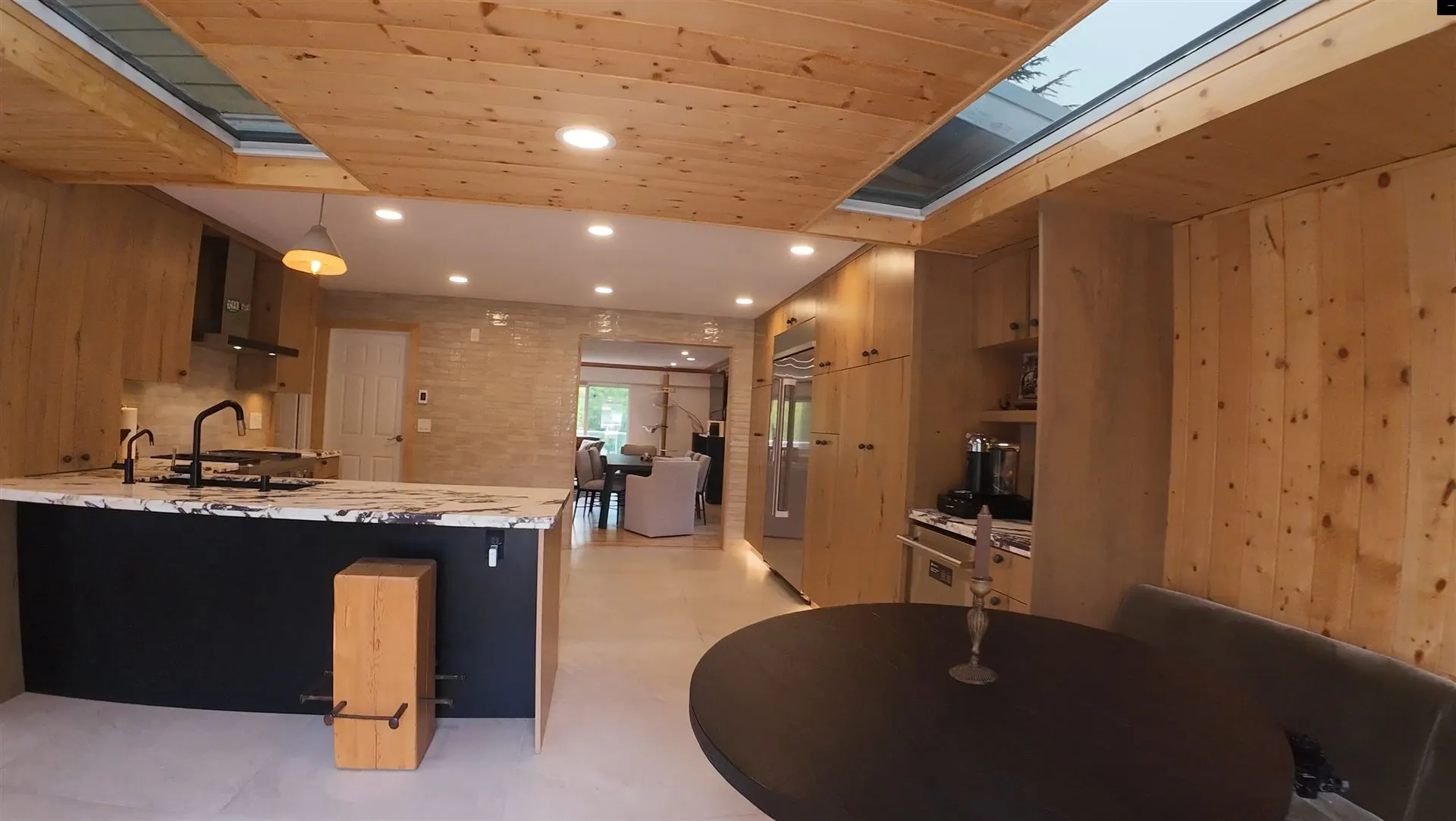
How to Choose a Commercial General Contractor
A Business Owner’s Guide to Making the Right Decision
Selecting a commercial general contractor is one of the most important decisions you’ll make during your renovation.
The contractor you choose will influence far more than the finished appearance of your space. They will affect your budget, project schedule, permit process, communication, construction quality, and overall experience from the first meeting through project completion.
While price is naturally an important consideration, the lowest quote does not always represent the best value.
A successful commercial renovation depends on planning, coordination, communication, and experience—not simply labour and materials.
Understanding what to look for before signing a contract can help you make a confident, informed decision.
Start With Commercial Experience
Commercial construction differs significantly from residential renovation.
While many construction principles are similar, commercial projects introduce additional complexities, including:
- Building permits and municipal approvals
- Occupied buildings
- Property management coordination
- Accessibility requirements
- Fire protection systems
- Mechanical and electrical coordination
- Multiple consultants
- Building inspections
- Business continuity planning
- Commercial building codes
Hiring a contractor with proven commercial experience helps reduce unnecessary risk throughout the project.
Ask potential contractors about the types of commercial projects they regularly complete—not just the largest project they’ve ever built.
Look Beyond the Lowest Price
Comparing construction proposals solely on price can be misleading.
Two estimates may appear similar while including very different scopes of work.
Before comparing quotations, ask:
- Is the scope clearly defined?
- Are permits included?
- Are consultant costs included?
- Have allowances been identified?
- Are exclusions clearly listed?
- Does the contractor explain potential unknowns?
- Are change order procedures described?
- Is project management included?
A detailed proposal often provides far greater value than a lower price with significant unknowns.
The objective is not to find the cheapest contractor—it’s to understand exactly what you’re purchasing.
Evaluate Their Planning Process
Successful commercial renovations begin long before demolition.
Ask how the contractor prepares for a project before construction starts.
A structured planning process should include:
- Site assessments
- Budget reviews
- Permit coordination
- Consultant management
- Material planning
- Construction scheduling
- Building management coordination
- Risk identification
Contractors who invest time in planning generally experience fewer avoidable problems during construction.
Ask Who Will Manage the Project
The person preparing your estimate is not always the person managing construction.
Before hiring a contractor, ask:
- Who will supervise the project?
- Who is your primary point of contact?
- How often will progress updates be provided?
- Who coordinates subcontractors?
- Who communicates with consultants?
- Who responds to site questions?
- Who manages inspections?
Understanding how communication will work before construction begins helps establish clear expectations for everyone involved.
Understand How They Handle Change Orders
Every commercial renovation encounters unforeseen conditions or client-requested changes.
The important question isn’t whether change orders occur—it’s how they are managed.
Ask potential contractors:
- Are change orders documented in writing?
- Will pricing be provided before work proceeds?
- How are schedule impacts communicated?
- Who approves additional work?
Transparent change order procedures help prevent misunderstandings and keep projects moving efficiently.
Review Their Approach to Safety
Professional contractors should treat safety as an integral part of project management—not simply a regulatory requirement.
Ask how they plan to:
- Protect occupied spaces
- Control dust and debris
- Maintain safe access
- Coordinate deliveries
- Protect existing finishes
- Minimize disruption to neighbouring businesses
- Comply with WorkSafeBC requirements
A contractor who prioritizes safety is often more organized in every other aspect of the project as well.
Evaluate Communication
One of the most common frustrations during construction is poor communication.
Before signing a contract, ask how the contractor provides updates.
Examples may include:
- Regular site meetings
- Weekly progress reports
- Construction schedules
- Progress photographs
- Inspection updates
- Change order documentation
- Email communication
- Direct access to the project manager
Consistent communication builds confidence and allows decisions to be made before delays occur.
Verify Licensing, Insurance & Qualifications
Every commercial contractor should be prepared to provide documentation confirming they are properly qualified to perform the work.
This may include:
- Business licensing
- General liability insurance
- WorkSafeBC registration
- Trade certifications where applicable
- Manufacturer certifications for specialty systems
- References from previous commercial clients
These documents help protect both the contractor and the client throughout the project.
Ask About Their Trade Coordination Process
Commercial renovations involve numerous specialized trades working together.
Ask how the contractor coordinates:
- Electricians
- Plumbers
- HVAC contractors
- Fire protection contractors
- Drywall installers
- Ceiling contractors
- Flooring installers
- Millwork suppliers
- Painters
- Inspectors
- Consultants
Strong coordination is one of the defining characteristics of successful commercial project management.
Look for Long-Term Thinking
A renovation should continue serving your business long after construction is complete.
A thoughtful contractor will consider:
- Future expansion
- Maintenance access
- Equipment replacement
- Energy efficiency
- Adaptability
- Long-term operating costs
- Building lifecycle
The goal should not simply be completing construction—it should be creating a space that continues performing well for many years.
Questions Every Business Owner Should Ask Before Hiring a Contractor
Before making your final decision, consider asking:
- How many commercial renovations similar to mine have you completed?
- Who will manage my project from start to finish?
- How do you coordinate permits and inspections?
- How are project schedules developed and updated?
- How do you handle change orders?
- How will I receive progress updates?
- What measures do you take to protect occupied buildings?
- How do you coordinate multiple subcontractors?
- What happens if unexpected conditions are discovered?
- What warranty do you provide after project completion?
A contractor who answers these questions clearly and confidently is far more likely to deliver a well-managed project.
The Anilson Approach: Choosing a Partner, Not Just a Contractor
At Anilson Construction, we believe successful commercial renovations begin with trust.
Our role extends beyond building walls or coordinating trades. We work alongside business owners, property managers, consultants, and building management to guide projects from the earliest planning stages through permit approvals, construction, inspections, and final turnover.
Throughout this guide, we’ve introduced the principles that shape our approach:
- The Anilson Project Delivery System™
- Pre-Site Lockdown™
- The Sequence of Scope™
- The 48-Hour Decision Rule™
These aren’t marketing slogans—they’re practical project management systems developed through experience delivering commercial renovations across the Lower Mainland.
Whether you ultimately choose Anilson Construction or another qualified contractor, we encourage you to select a team that values planning, communication, transparency, and accountability as much as craftsmanship.
Because the right contractor doesn’t simply build your space.
They help protect your investment.
Key Takeaways
- Commercial experience matters more than general construction experience.
- Compare proposals based on scope, planning, and project management—not price alone.
- Strong communication and transparent change order procedures reduce uncertainty throughout construction.
- Safety, trade coordination, and quality control should be integrated into every stage of the project.
- Ask detailed questions before hiring a contractor to understand how your project will actually be managed.
- The best commercial contractor is one who delivers not only a high-quality finished space but also a professional, predictable renovation experience from beginning to end.
Choosing a commercial general contractor is about more than hiring someone to build your project. It’s about selecting a trusted partner who can guide you through planning, permitting, construction, and project completion with confidence. The more informed your decision is at the beginning, the more successful your renovation is likely to be in the end.
Questions Every Business Owner Should Ask Before Hiring
Hiring a commercial contractor is about more than comparing prices.
The contractor you choose will be responsible for coordinating trades, managing schedules, navigating permits, communicating with consultants, protecting your business during construction, and delivering a space that meets your operational needs.
Asking the right questions before signing a contract can help you identify experienced professionals, understand how your project will be managed, and avoid costly misunderstandings later.
The goal isn’t to interrogate your contractor—it’s to ensure you’re selecting a team that communicates clearly, plans thoroughly, and has the experience to successfully deliver your project.
1. Have You Completed Projects Similar to Mine?
Not all commercial renovations are the same.
A contractor who primarily renovates restaurants may not have extensive experience with medical clinics.
Similarly, an office renovation presents different challenges than a warehouse, retail store, veterinary clinic, or industrial facility.
Ask for examples of projects similar in:
- Size
- Building type
- Occupancy
- Scope of work
- Complexity
Relevant experience often provides more value than simply having many years in business.
2. Who Will Manage My Project?
Many business owners assume the person preparing the estimate will also supervise construction.
That isn’t always the case.
Ask:
- Who is my primary contact?
- Who supervises the site?
- Who coordinates subcontractors?
- Who communicates with consultants?
- Who answers day-to-day questions?
Knowing who is responsible for your project helps establish clear communication from the beginning.
3. What Exactly Is Included in the Proposal?
Construction proposals should clearly define the scope of work.
Before comparing prices, understand:
- What is included?
- What is excluded?
- Are permits included?
- Are consultant fees included?
- Are allowances identified?
- Are demolition and disposal included?
- Is project management included?
A detailed proposal reduces uncertainty and allows you to compare contractors more accurately.
4. How Will Permits and Inspections Be Managed?
Commercial renovations often involve multiple approvals.
Ask:
- Who prepares permit submissions?
- Who coordinates consultants?
- Who schedules inspections?
- How are municipal revisions handled?
- Who communicates with building officials?
Understanding this process early helps establish realistic expectations for project timelines.
5. How Do You Handle Change Orders?
No commercial renovation is entirely immune to change.
Unexpected conditions, consultant revisions, or client requests may require modifications during construction.
Ask:
- Are change orders documented?
- Will pricing be approved before work proceeds?
- How are schedule impacts communicated?
- Who authorizes additional work?
A transparent process protects both the client and the contractor.
6. How Will You Protect My Business During Construction?
If your business will remain operational, protecting employees, customers, and neighbouring tenants becomes just as important as completing the renovation.
Ask about:
- Dust containment
- Noise management
- Temporary access
- Site safety
- Daily cleanup
- Working hours
- Security procedures
Professional contractors should have a clear strategy for minimizing disruption.
7. How Will Progress Be Communicated?
Consistent communication builds confidence throughout construction.
Ask:
- How often will I receive updates?
- Will there be scheduled site meetings?
- Will I receive construction photographs?
- How are delays communicated?
- Who should I contact with questions?
Clear communication often prevents small issues from becoming larger problems.
8. How Do You Coordinate Multiple Trades?
Commercial renovations require numerous specialists working together.
Ask how the contractor coordinates:
- Electricians
- Plumbers
- HVAC contractors
- Fire protection contractors
- Drywall installers
- Ceiling installers
- Flooring contractors
- Millwork suppliers
- Painters
- Inspectors
Strong trade coordination is often the difference between a smooth project and a frustrating one.
9. What Happens If Unexpected Conditions Are Discovered?
Commercial renovations frequently reveal conditions that weren’t visible during the initial site visit.
Examples include:
- Hidden plumbing
- Electrical deficiencies
- Structural issues
- Water damage
- Previous non-compliant work
Ask how these discoveries will be documented, communicated, and resolved before additional work proceeds.
Experienced contractors should have a structured process for managing unforeseen conditions.
10. Are You Properly Licensed and Insured?
Before construction begins, confirm that your contractor carries appropriate business credentials.
This may include:
- Business licensing
- General liability insurance
- WorkSafeBC registration
- Trade certifications where applicable
Working with properly insured contractors helps protect everyone involved throughout the project.
11. What Is Your Expected Project Timeline?
Every renovation is different, but your contractor should be able to explain:
- Estimated project duration
- Major construction milestones
- Long-lead materials
- Inspection scheduling
- Factors that may affect completion
A realistic schedule is generally more valuable than an overly optimistic one.
12. What Happens After Construction Is Complete?
Project turnover should be more than simply handing over the keys.
Ask what happens after substantial completion.
Examples include:
- Final walkthroughs
- Deficiency corrections
- Warranty information
- Operating manuals
- Maintenance recommendations
- Occupancy documentation where applicable
Understanding the closeout process provides confidence that the project will be properly completed.
Questions That Should Raise Concerns
Not every contractor approaches projects with the same level of planning and transparency.
While every company operates differently, consider asking additional questions if you encounter responses such as:
- “We’ll figure that out later.”
- “Don’t worry about permits.”
- “We’ll price changes after they’re completed.”
- “The drawings aren’t important.”
- “We’ll know the schedule once we start.”
- “You don’t really need inspections.”
Commercial renovations benefit from clear planning, documented processes, and open communication—not assumptions.
A Contractor Should Welcome Good Questions
Experienced commercial contractors should be comfortable discussing their process.
In fact, thoughtful questions often lead to better projects because they establish expectations before construction begins.
A contractor who explains their approach clearly, provides detailed documentation, and communicates openly is typically better positioned to manage complex commercial renovations successfully.
The Anilson Approach: Transparency Before Construction Begins
At Anilson Construction, we encourage clients to ask questions.
The more information shared before construction begins, the fewer surprises there are during the project.
Our planning process is designed to provide clarity around scope, scheduling, permits, consultant coordination, communication, and project management before work begins.
We believe informed clients make better decisions—and better decisions lead to more successful renovations.
Whether you’re renovating a professional office, medical clinic, retail store, warehouse, or another commercial space, our goal is to ensure you understand not only what will be built, but how your project will be delivered from start to finish.
Key Takeaways
- Asking detailed questions helps you evaluate how a contractor manages projects—not just how they prepare estimates.
- Experience with similar commercial renovations is often more valuable than general construction experience.
- Clear communication, documented change order procedures, and structured project management reduce uncertainty throughout construction.
- A detailed proposal should clearly define scope, exclusions, permits, scheduling, and responsibilities.
- Professional contractors welcome informed clients because clear expectations lead to better projects.
- The best contractor isn’t necessarily the one with the lowest price—it’s the one who gives you confidence that your renovation will be professionally planned, managed, and completed.
The right questions can tell you far more about a contractor than a price alone. By understanding how a company plans, communicates, coordinates, and responds to challenges, you’ll be better equipped to choose a commercial construction partner who can deliver a successful renovation with confidence.
Red Flags to Watch For
Warning Signs Before Hiring a Commercial Contractor
Hiring the right commercial contractor is one of the most important decisions you’ll make during a renovation.
A professional contractor should provide confidence, clarity, and a well-defined plan before construction begins. If important questions are left unanswered during the quoting process, those same issues often become larger challenges once work is underway.
Not every concern automatically means a contractor is the wrong choice. However, recognizing potential warning signs early gives you the opportunity to ask additional questions, compare proposals more effectively, and make a more informed decision.
The goal isn’t to eliminate every risk—it’s to reduce unnecessary surprises before your project begins.
1. The Proposal Is Too Vague
A commercial construction proposal should clearly explain what is included in the project.
If the estimate simply lists:
- Renovation
- Labour
- Materials
without defining the scope of work, it becomes difficult to compare proposals or understand exactly what you’re purchasing.
A professional proposal should identify:
- Scope of work
- Major materials
- Project assumptions
- Exclusions
- Allowances
- Payment schedule
- Change order process
Clear documentation protects both the client and the contractor.
2. The Price Seems Significantly Lower Than Everyone Else
Every business appreciates saving money.
However, if one proposal is dramatically lower than several comparable estimates, it’s worth understanding why.
A lower price may reflect:
- A different scope of work
- Missing permit costs
- Excluded project management
- Lower-quality materials
- Unidentified allowances
- Limited coordination between trades
Rather than focusing only on the final number, compare what is actually included in each proposal.
The best value is rarely determined by price alone.
3. There Is No Clear Project Plan
Professional commercial renovations begin with planning.
If a contractor cannot explain:
- How the project will be scheduled
- Who manages the work
- How permits are handled
- How inspections are coordinated
- How communication will occur
it may indicate that these processes have not been fully developed.
A structured project management approach often leads to more predictable outcomes.
4. Questions Are Avoided or Dismissed
A commercial renovation represents a significant investment.
You should feel comfortable asking questions throughout the planning process.
Be cautious if responses are consistently vague, dismissive, or overly simplified.
Professional contractors generally welcome informed clients because clear communication helps establish realistic expectations before construction begins.
5. Permits Are Treated as Optional
One of the most concerning warning signs is hearing statements such as:
- “You probably don’t need a permit.”
- “We’ll figure that out later.”
- “The city won’t notice.”
- “Everyone does it this way.”
Commercial renovations frequently require permits, inspections, and approvals depending on the scope of work.
Even when permits are not required, that determination should be made through the proper process—not assumptions.
A contractor should be prepared to explain how permit requirements will be evaluated and managed.
6. There Is No Written Change Order Process
Changes happen on many commercial projects.
The important question is how they are managed.
If additional work is performed without written approval, misunderstandings can occur regarding both pricing and schedule.
A professional contractor should document:
- Scope changes
- Additional costs
- Schedule impacts
- Client approval
before proceeding with extra work whenever practical.
7. Communication Expectations Are Unclear
Poor communication is one of the most common causes of frustration during construction.
Before hiring a contractor, understand:
- Who your primary contact will be
- How often updates will be provided
- How site questions are handled
- Who approves project decisions
- How schedule changes will be communicated
Setting these expectations early helps create a smoother renovation experience.
8. There Is Little Discussion About Coordination
Commercial renovations involve many specialized trades working together.
If little attention is given to coordinating:
- Electrical
- Plumbing
- HVAC
- Fire protection
- Millwork
- Inspections
- Consultants
- Building management
there is a greater likelihood of scheduling conflicts and unnecessary rework.
Effective coordination is one of the defining responsibilities of a commercial general contractor.
9. Existing Conditions Are Never Discussed
Every existing building contains unknowns.
Professional contractors recognize that concealed conditions may only become visible after demolition begins.
Rather than promising that “nothing unexpected will happen,” experienced contractors explain:
- How unforeseen conditions will be documented
- How pricing will be communicated
- How schedule impacts will be managed
- How solutions will be reviewed before work continues
Honest conversations early in the process build trust later.
10. There Is No Discussion About Safety or Occupied Buildings
Many commercial renovations occur while businesses continue operating.
If your project involves an occupied building, your contractor should explain how they plan to:
- Protect employees and visitors
- Control dust and debris
- Manage noise
- Maintain emergency exits
- Coordinate with property management
- Protect existing finishes
Safety and business continuity should be discussed before construction begins—not after.
11. References and Previous Work Cannot Be Verified
A reputable contractor should be willing to discuss previous commercial projects and, where appropriate, provide references or examples of similar work.
Rather than simply asking, “Can I see photos?” consider asking:
- Have you completed projects like mine?
- What challenges did you encounter?
- How were they resolved?
- Can you describe a recent commercial renovation?
Experience is demonstrated not only by completed projects but also by a contractor’s ability to explain how those projects were managed.
12. Everything Sounds Too Easy
Commercial renovations involve permits, inspections, consultants, trade coordination, material lead times, and existing building conditions.
Be cautious of promises such as:
- “There won’t be any issues.”
- “We’ll finish much faster than everyone else.”
- “Nothing ever goes wrong.”
- “It’s a simple project.”
Experienced contractors understand that challenges are part of construction.
The real measure of professionalism is how those challenges are anticipated, communicated, and resolved.
Trust Professionalism Over Promises
The strongest indicator of a reliable commercial contractor is not perfection.
It is professionalism.
Professional contractors:
- Plan before they build.
- Communicate openly.
- Document important decisions.
- Coordinate trades carefully.
- Address issues promptly.
- Respect schedules and budgets.
- Set realistic expectations.
These qualities create confidence throughout the project and help reduce unnecessary surprises.
The Anilson Approach: Building Confidence Before Construction Begins
At Anilson Construction, we believe trust is earned through preparation, transparency, and consistent communication.
That is why our planning process focuses on identifying potential challenges before construction begins—not after they become costly problems.
Throughout this guide, we’ve introduced the systems that support our approach:
- The Anilson Project Delivery System™
- Pre-Site Lockdown™
- The Sequence of Scope™
- Predictable Project Delivery™
- The 48-Hour Decision Rule™
These frameworks are designed to create clarity, improve coordination, and reduce uncertainty from the earliest stages of a commercial renovation through to project completion.
Whether you choose Anilson Construction or another qualified contractor, we encourage you to work with a team that values planning, documentation, accountability, and open communication.
Those qualities are often the strongest predictors of a successful project.
Key Takeaways
- A detailed proposal should clearly define scope, inclusions, exclusions, assumptions, and responsibilities.
- Significantly lower pricing should prompt additional questions rather than immediate acceptance.
- Professional contractors welcome questions and explain their process with confidence.
- Permits, inspections, safety planning, and trade coordination should be discussed before construction begins.
- Written documentation for change orders, communication, and scheduling helps reduce misunderstandings.
- The most successful commercial renovations are built on realistic expectations, careful planning, and transparent project management.
Choosing a commercial contractor is about far more than selecting a company to complete the work. It’s about selecting a professional partner who can guide your project with honesty, organization, and experience. Taking the time to recognize potential red flags before construction begins can help protect your investment and contribute to a smoother, more successful renovation.
Design-Build vs Traditional Tendering
Which Commercial Renovation Delivery Method Is Right for Your Project?
One of the first decisions you’ll make when planning a commercial renovation isn’t selecting finishes or approving drawings—it’s deciding how the project will be delivered.
Should you hire a designer first and then obtain competitive construction bids?
Or should you work with a single company that manages the design, permits, consultants, and construction from start to finish?
Both approaches can produce successful projects when managed properly. The right choice depends on your project’s complexity, schedule, budget, and the level of involvement you want throughout the process.
Understanding the differences between these project delivery methods will help you choose the approach that best supports your business goals.
What Is Design-Build?
In a design-build project, one company acts as your primary point of contact throughout the entire renovation.
Rather than managing separate agreements with designers, engineers, consultants, permit coordinators, and contractors, the client works with a single team responsible for coordinating the complete project.
Depending on the scope, a design-build process may include:
- Initial planning
- Site assessments
- Budget guidance
- Interior design
- Permit drawings
- Consultant coordination
- Municipal permit submissions
- Construction management
- Trade coordination
- Project closeout
The goal is to create a collaborative process where planning, design, and construction are aligned from the beginning.
What Is Traditional Tendering?
Traditional tendering—often referred to as design-bid-build—follows a different sequence.
The project is designed first.
Once drawings are complete, multiple contractors are invited to submit quotations based on the same set of plans and specifications.
The typical process looks like this:
- Hire a designer or architect.
- Complete construction drawings.
- Obtain engineering where required.
- Submit for permits.
- Request bids from qualified contractors.
- Compare proposals.
- Select a contractor.
- Begin construction.
This method allows clients to compare multiple construction proposals using the same project documents.
The Advantages of Design-Build
Many commercial renovations benefit from a collaborative design-build approach.
Potential advantages include:
Single Point of Responsibility
Instead of coordinating multiple companies, the client communicates with one primary project team.
This can simplify decision-making and improve accountability throughout the project.
Better Collaboration
Designers, consultants, and construction professionals work together throughout the planning process.
This often helps identify practical construction considerations before drawings are finalized.
Examples include:
- Material availability
- Budget alignment
- Construction sequencing
- Building access
- Existing site conditions
- Permit requirements
Early collaboration can reduce revisions later in the project.
Improved Budget Awareness
Because construction professionals are involved earlier, preliminary budgets can often be reviewed while the design is still developing.
This allows adjustments to be made before tender documents are finalized, helping align the project scope with available funding.
Faster Decision-Making
When planning, design, and construction teams communicate regularly, questions can often be resolved more quickly.
This streamlined communication may help reduce delays caused by information passing between multiple independent parties.
The Advantages of Traditional Tendering
Traditional tendering also offers important benefits, particularly for certain project types.
Potential advantages include:
Competitive Pricing
Multiple contractors submit proposals based on the same drawings and specifications.
This allows owners to compare pricing, scope, qualifications, and proposed schedules before selecting a contractor.
Independent Design Process
Some organizations prefer to complete the design before engaging a contractor.
This may provide additional time to evaluate design options or obtain internal approvals before construction begins.
Clearly Defined Scope
Because tender drawings are generally more complete before pricing begins, contractors are often bidding on a consistent project scope.
This can make proposal comparisons easier when documentation is comprehensive.
Which Approach Is Better?
There is no universal answer.
The most appropriate delivery method depends on the project itself.
A design-build approach may be well suited for:
- Tenant improvements
- Office renovations
- Medical clinics
- Retail fit-outs
- Fast-track renovations
- Projects requiring extensive coordination
- Businesses seeking a single point of contact
Traditional tendering may be appropriate for:
- Larger institutional projects
- Public procurement
- Projects with fully developed consultant teams
- Organizations with formal purchasing policies
- Owners who wish to compare multiple competitive bids
Both methods can be successful when supported by experienced professionals and well-defined project goals.
Common Misconceptions
“Design-Build Is More Expensive”
Not necessarily.
While every project is different, involving construction professionals early can help identify opportunities to simplify construction, improve coordination, and avoid unnecessary redesigns.
The focus should be on overall project value—not simply comparing individual fees.
“Competitive Tendering Always Produces the Lowest Total Cost”
Lowest initial price does not always equal the lowest final project cost.
Construction quality, communication, scheduling, coordination, change order management, and project planning all contribute to the overall value of a renovation.
Evaluating proposals solely on price may overlook important differences in scope or project management.
“The Contractor Doesn’t Need to Be Involved Until Construction”
Many construction-related decisions are made long before work begins on site.
Early contractor involvement can provide practical input on sequencing, constructability, building operations, scheduling, and coordination while designs are still being developed.
Design-Build and the Anilson Project Delivery System™
Many of the principles discussed throughout this guide naturally align with a design-build approach.
Our Anilson Project Delivery System™ emphasizes collaboration from the earliest planning stages by integrating design coordination, permit planning, consultant communication, construction sequencing, and project management into one structured process.
This includes:
- Pre-Site Lockdown™ to finalize key decisions before construction begins.
- The Sequence of Scope™ to coordinate every trade in the correct order.
- The 48-Hour Decision Rule™ to maintain project momentum through timely communication.
- Predictable Project Delivery™ to reduce uncertainty through planning, documentation, and proactive coordination.
Regardless of the project delivery method selected, these principles help create a more organized and predictable renovation experience.
Questions to Ask Before Choosing a Delivery Method
Before deciding how your project will proceed, consider:
- How complex is the renovation?
- Do you already have completed permit drawings?
- Will multiple consultants be required?
- Is your project schedule flexible or time-sensitive?
- How involved do you want to be in coordinating different professionals?
- Is early budget guidance important?
- Do you prefer one point of contact or separate contracts for design and construction?
Your answers will often help determine which approach best supports your project objectives.
The Anilson Approach: Delivering Projects Through Collaboration
At Anilson Construction, we believe successful commercial renovations begin with collaboration—not simply construction.
For many clients, we provide an integrated approach that includes planning, permit coordination, consultant management, and construction under one coordinated process.
For clients who already have completed drawings and wish to obtain competitive pricing, we’re equally comfortable providing construction services based on consultant-prepared documents.
Our role is to adapt to the needs of the project while maintaining the same commitment to planning, communication, quality, and professional project management.
Because every successful renovation starts with selecting the delivery method that’s right for your business—not simply the one that’s most familiar.
Key Takeaways
- Design-build combines planning, design, permit coordination, and construction under one integrated team.
- Traditional tendering separates design from construction, allowing multiple contractors to bid on completed drawings.
- Neither approach is inherently better—the right choice depends on the project’s goals, complexity, schedule, and procurement requirements.
- Early collaboration can improve coordination, budgeting, and construction planning.
- Competitive tendering provides pricing comparisons but requires well-developed drawings and specifications.
- Successful commercial renovations depend on thoughtful planning, experienced project management, and clear communication regardless of the delivery method.
Choosing how your commercial renovation will be delivered is one of the earliest—and most influential—decisions you’ll make. Whether you select a design-build approach or a traditional tendering process, success ultimately depends on assembling the right team, establishing clear expectations, and creating a plan that supports your business from concept through completion.
Project Completion
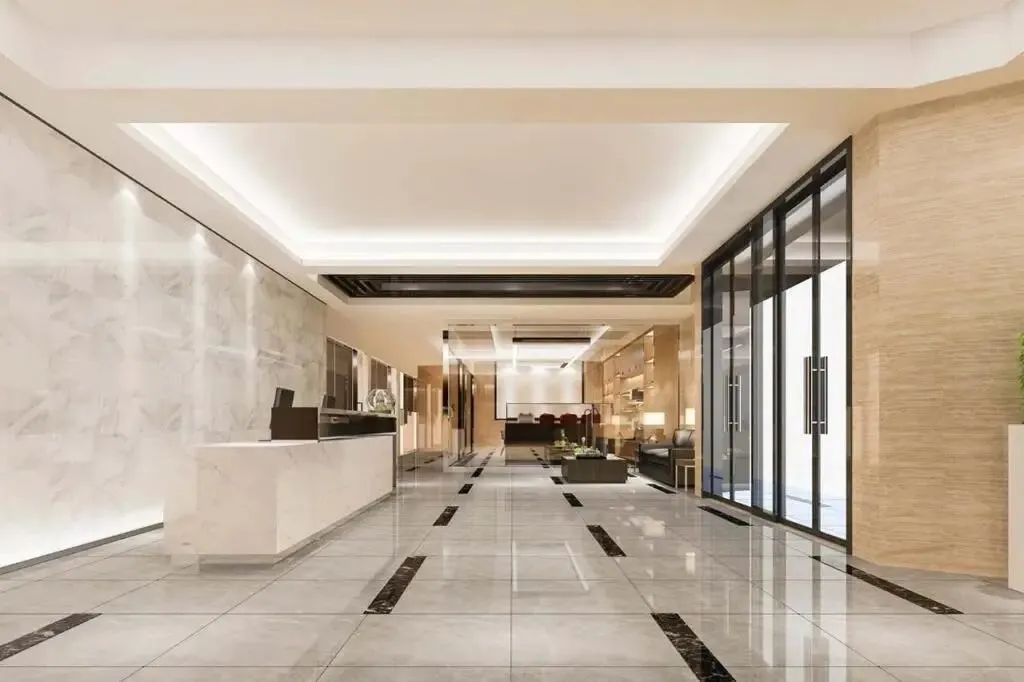
Inspections & Occupancy
The Final Steps Before Your Commercial Space Opens
As a commercial renovation nears completion, attention naturally shifts toward opening the space and getting back to business.
While the visible construction work may appear complete, several important steps often remain before the project reaches final completion. Municipal inspections, consultant reviews, system testing, deficiency corrections, and occupancy approvals all play an important role in confirming that the renovated space is safe, functional, and ready for use.
These final stages are not simply administrative requirements—they help verify that the renovation has been completed in accordance with the approved permit drawings, applicable building codes, and the standards established during project planning.
At Anilson Construction, project completion is more than finishing construction. It is about delivering a commercial space that is fully coordinated, thoroughly reviewed, and prepared for successful occupancy.
Why Inspections Matter
Building inspections are an essential part of commercial construction.
Their purpose is to verify that work has been completed in accordance with approved drawings, applicable codes, and permit requirements.
Rather than viewing inspections as obstacles, they should be seen as independent quality checkpoints that help protect building owners, occupants, and future tenants.
Successful inspections contribute to:
- Occupant safety
- Building code compliance
- Life safety system verification
- Long-term building performance
- Confidence before occupancy
Throughout the construction process, inspections help identify issues while they can still be addressed efficiently.
Inspections Occur Throughout Construction
Many people assume inspections happen only after construction is finished.
In reality, commercial renovations typically involve inspections at multiple stages.
Depending on the project, inspections may include:
- Structural modifications
- Framing
- Electrical rough-ins
- Plumbing rough-ins
- Mechanical installations
- Fire sprinkler modifications
- Fire alarm systems
- Insulation
- Accessibility requirements
- Final building inspection
Each inspection confirms that the work completed during that phase is ready for the next stage of construction.
This staged approach supports the Sequence of Scope™ by ensuring concealed systems are approved before walls and ceilings are closed.
Consultant Reviews
Many commercial projects also involve reviews by project consultants.
Depending on the scope, these may include:
- Architects
- Structural engineers
- Mechanical engineers
- Electrical engineers
- Fire protection consultants
- Interior designers
Consultant site reviews help confirm that specialized systems have been installed in accordance with the approved design intent.
Their involvement provides another layer of quality assurance before project completion.
System Testing and Commissioning
Before a commercial space is ready for occupancy, many building systems require testing.
Depending on the project, this may include:
- HVAC balancing
- Fire alarm verification
- Fire sprinkler testing
- Emergency lighting
- Exit signage
- Electrical testing
- Plumbing fixture operation
- Access control systems
- Security systems
- Specialized equipment commissioning
Testing helps confirm that each system functions as intended before employees, customers, or tenants begin using the space.
What Is an Occupancy Permit?
Depending on the municipality and the scope of work, a project may require occupancy approval before the renovated space can be legally occupied.
An occupancy approval confirms that the applicable authority has reviewed the completed work and determined that the space is suitable for its intended use, subject to the approved permit conditions.
Occupancy requirements vary depending on factors such as:
- Scope of renovation
- Building type
- Occupancy classification
- Municipal requirements
- Nature of the approved permit
Your contractor and design team should help coordinate this process as part of project closeout.
Understanding Deficiencies
It is common for commercial renovations to conclude with a deficiency review.
A deficiency is generally a minor item that requires adjustment, repair, or completion before final project closeout.
Examples may include:
- Paint touch-ups
- Hardware adjustments
- Ceiling tile replacement
- Door alignment
- Silicone finishing
- Minor flooring repairs
- Fixture adjustments
- Cleaning of construction residue
A deficiency list should not be viewed as a sign of poor workmanship.
Rather, it is a structured quality control process used to refine the finished project before final handover.
Final Walkthrough
Once construction is substantially complete, a final walkthrough is typically conducted with the client.
During this review, the project team confirms:
- Contract scope has been completed
- Systems are operational
- Outstanding deficiencies are identified
- Finishes meet project expectations
- Client questions are addressed
- Maintenance requirements are reviewed
The walkthrough also provides an opportunity to familiarize the client with the completed space before occupancy.
Project Documentation
Project completion often includes delivering important documentation to the client.
Depending on the project, this may include:
- Warranty information
- Product manuals
- Maintenance recommendations
- Equipment documentation
- As-built drawings where applicable
- Inspection records
- Consultant documentation
- Occupancy documentation where required
Organizing this information helps support future maintenance, renovations, and facility management.
Preparing for Occupancy
Before employees or customers move into the renovated space, several practical tasks should be completed.
These may include:
- Final cleaning
- Furniture installation
- Technology setup
- Equipment installation
- Staff orientation
- Security system activation
- Network testing
- Signage installation
- Operational readiness checks
Completing these final steps helps ensure a smooth transition from construction to normal business operations.
Inspections and the Anilson Project Delivery System™
The final stages of every project are built into the Anilson Project Delivery System™.
Rather than treating inspections as the finish line, we coordinate them throughout construction to reduce delays and maintain project momentum.
During project closeout, we work with clients, consultants, building management, municipal inspectors, and trade partners to coordinate final reviews, complete outstanding deficiencies, assemble project documentation, and support the transition to occupancy.
This structured approach helps ensure that the completed renovation is not only visually finished but operationally ready.
Common Misconceptions About Project Completion
Many business owners are surprised to learn that construction can be substantially complete even while a few final items remain.
Some common misconceptions include:
- Assuming inspections happen only at the end of the project.
- Expecting occupancy immediately after construction finishes.
- Viewing deficiency lists as construction failures.
- Overlooking the importance of system testing and documentation.
- Forgetting to plan for furniture, technology, and operational setup before opening.
Understanding the closeout process helps establish realistic expectations and contributes to a smoother project completion.
The Anilson Approach: Completing Projects the Right Way
At Anilson Construction, our responsibility extends beyond building the space.
We coordinate the final stages of project delivery with the same attention given to planning and construction.
From inspections and consultant reviews to deficiency completion, documentation, and occupancy coordination, our objective is to provide clients with a commercial space that is ready to support their business from the first day of operation.
A successful project is not complete when construction ends.
It is complete when the space is safe, functional, documented, and ready for occupancy.
Key Takeaways
- Commercial renovations involve inspections throughout construction—not only at project completion.
- Consultant reviews, municipal inspections, and system testing help verify quality and code compliance.
- Occupancy approval may be required before a renovated commercial space can be legally occupied.
- Deficiency lists are a normal part of professional project closeout and help refine the finished work.
- Final documentation, warranties, and maintenance information support long-term building operations.
- A structured closeout process helps businesses transition smoothly from construction to occupancy.
The final stage of a commercial renovation is about far more than handing over the keys. Through careful inspections, coordinated testing, organized documentation, and thoughtful project closeout, businesses can move into their renovated space with confidence, knowing it has been prepared for safe, efficient, and successful operation.
Deficiency Walkthroughs
The Final Quality Control Process Before Project Closeout
As construction comes to an end, many business owners expect the project to conclude the moment the last trades leave the site.
In reality, one of the most important phases of a commercial renovation begins after the majority of the work has been completed.
The deficiency walkthrough is a structured quality assurance process that allows the project team and client to review the completed renovation together, identify any remaining items requiring attention, and confirm that the project meets the agreed scope of work.
Rather than indicating problems with the project, a professionally managed deficiency walkthrough demonstrates a commitment to quality, accountability, and continuous improvement before final handover.
At Anilson Construction, deficiency walkthroughs are an essential part of our project delivery process, helping ensure every commercial space is ready to support our client’s business from day one.
What Is a Deficiency?
A deficiency is typically a minor item that requires adjustment, repair, refinement, or completion before the project is formally closed.
Deficiencies are common on commercial construction projects of every size.
Examples may include:
- Paint touch-ups
- Minor drywall repairs
- Ceiling tile replacement
- Door hardware adjustments
- Silicone touch-ups
- Alignment of doors or millwork
- Flooring repairs
- Fixture adjustments
- Missing accessories
- Final cleaning items
These are generally cosmetic or functional refinements rather than major construction defects.
Why Deficiency Walkthroughs Are Important
Commercial renovations involve hundreds—or even thousands—of individual construction tasks completed by multiple trades over several weeks or months.
Even with continuous quality control throughout construction, a final review provides an opportunity to identify small items that may only become noticeable once the entire project has been completed.
A deficiency walkthrough helps:
- Verify the project scope has been completed
- Confirm finishes meet project expectations
- Identify outstanding adjustments
- Improve overall project quality
- Reduce post-occupancy issues
- Provide a clear path toward final completion
This final review protects both the client and the contractor by ensuring expectations are clearly documented before project closeout.
When Does the Walkthrough Take Place?
A deficiency walkthrough is typically scheduled once the project has reached substantial completion.
At this stage:
- Major construction activities are complete.
- Building systems have been tested.
- Municipal inspections have largely been completed.
- The space is safe to occupy.
- Remaining work is generally limited to minor corrections.
Holding the walkthrough too early often results in unnecessary rework, while waiting too long can delay occupancy and project closeout.
Who Participates?
Depending on the project, the walkthrough may include:
- The client or business owner
- The general contractor
- Project manager
- Site superintendent
- Architect or designer
- Property manager
- Consultants where required
Having key decision-makers present helps questions be answered immediately and ensures everyone shares the same understanding of the remaining work.
What Happens During a Deficiency Walkthrough?
The walkthrough is conducted systematically, moving through each area of the renovated space.
The team typically reviews:
- Walls and ceilings
- Flooring
- Doors and hardware
- Millwork
- Lighting
- Plumbing fixtures
- HVAC grilles and diffusers
- Electrical devices
- Washrooms
- Storage areas
- Mechanical rooms
- Exterior work where applicable
Each item requiring attention is documented so it can be tracked through completion.
A structured approach helps ensure that no area of the project is overlooked.
Creating a Deficiency List
Items identified during the walkthrough are recorded on a deficiency list.
A well-organized deficiency list generally includes:
- Item description
- Exact location
- Responsible trade
- Priority
- Completion status
Maintaining a clear record allows the project team to coordinate trades efficiently and verify that each item has been resolved before final project closeout.
Not Every Observation Is a Deficiency
One of the biggest misconceptions about walkthroughs is that every comment represents a construction problem.
In practice, many observations simply involve:
- Owner preferences
- Minor adjustments
- Operational questions
- Product orientation
- Maintenance discussions
The walkthrough is also an opportunity to answer questions about how building systems operate and how different materials should be maintained after occupancy.
Deficiency Walkthroughs and the Anilson Project Delivery System™
Within the Anilson Project Delivery System™, quality control does not begin at the end of the project—it continues throughout every phase of construction.
By the time we conduct a deficiency walkthrough, numerous quality reviews have already taken place during framing, rough-ins, drywall, finishes, and system installations.
The final walkthrough is therefore a confirmation process rather than a first inspection.
This layered approach helps reduce outstanding deficiencies while supporting a more efficient project closeout.
Common Misconceptions About Deficiencies
Many clients are surprised to learn that even exceptionally well-managed commercial projects include deficiency lists.
Common misconceptions include:
- “A deficiency means something was built incorrectly.”
- “Professional projects shouldn’t have any deficiencies.”
- “The project isn’t finished if there’s a deficiency list.”
- “Deficiencies always involve major repairs.”
In reality, deficiency lists are a standard part of commercial construction and represent one final opportunity to refine the completed work before final acceptance.
Completing the Deficiency List
Once the walkthrough has been completed, the project team coordinates the remaining work.
This often involves scheduling individual trades to complete outstanding items while minimizing disruption to the client’s operations.
After corrections have been completed, a final review may be conducted to confirm that all documented items have been addressed.
Only then does the project move toward formal closeout.
The Anilson Approach: Quality Doesn’t End When Construction Does
At Anilson Construction, we believe the final impression of a project is just as important as the first.
Our deficiency walkthroughs are designed to ensure every commercial renovation receives the same level of attention during project closeout as it did during planning and construction.
We document outstanding items clearly, coordinate the appropriate trades promptly, and communicate progress throughout the closeout process.
Our goal is not simply to complete construction.
Our goal is to deliver a finished commercial space that reflects the professionalism, quality, and attention to detail our clients expect.
Key Takeaways
- Deficiency walkthroughs are a normal and valuable part of professional commercial construction.
- A deficiency is typically a minor adjustment, repair, or completion item—not a major construction failure.
- Walkthroughs help verify quality, document remaining work, and support an organized project closeout.
- A structured deficiency list improves communication, accountability, and trade coordination.
- Multiple quality reviews throughout construction reduce the number of outstanding items at project completion.
- Completing deficiencies promptly helps businesses transition into their renovated space with confidence.
A commercial renovation is more than the completion of construction—it is the successful delivery of a space that is ready to support your business. Deficiency walkthroughs provide the final opportunity to fine-tune the finished project, confirm quality, and ensure every detail has been addressed before the renovation is formally complete.
Warranties & Post-Construction Support
Protecting Your Investment Beyond Project Completion
Completing a commercial renovation is a significant milestone.
The planning is finished.
Construction is complete.
Inspections have been approved.
The space is occupied.
Business operations resume.
But a successful commercial renovation doesn’t end when the final invoice is issued or the keys are handed over.
The period following project completion is just as important as the construction process itself. Building systems begin operating under normal conditions, employees settle into the new workspace, and minor adjustments may become apparent once the space is in everyday use.
Professional contractors recognize that project completion is not the end of the relationship—it’s the beginning of long-term building performance.
At Anilson Construction, we believe post-construction support is an essential part of delivering a successful commercial renovation.
Why Warranties Matter
A warranty provides confidence that the completed work will continue to perform as intended after occupancy.
More importantly, it establishes a clear process for addressing eligible issues that may arise during the warranty period.
Commercial warranties help provide:
- Confidence in workmanship
- Clear communication after project completion
- A structured process for addressing warranty items
- Long-term accountability
- Peace of mind for business owners and property managers
A professional warranty reflects confidence in the quality of both the construction and the project management process behind it.
Understanding Construction Warranties
Not every component of a commercial renovation carries the same warranty coverage.
A completed project may include several different types of warranties, depending on the systems and materials installed.
Examples may include:
- Contractor workmanship warranties
- Manufacturer product warranties
- Equipment warranties
- Roofing warranties
- Flooring warranties
- Paint system warranties
- Lighting manufacturer warranties
- HVAC equipment warranties
- Plumbing fixture warranties
Each warranty is provided under its own terms and conditions.
Understanding what is covered—and by whom—helps establish realistic expectations after project completion.
What Is Typically Covered?
While warranty coverage varies depending on the project, eligible items may include issues related to workmanship or installation that become apparent during normal building use.
Examples might include:
- Door adjustments
- Hardware alignment
- Minor settlement-related touch-ups
- Installation deficiencies
- Equipment adjustments
- Sealant corrections
- Certain finish repairs
These items are generally addressed through the agreed warranty process.
What Warranties Usually Do Not Cover
Construction warranties also have limitations.
Items commonly excluded may include:
- Normal wear and tear
- Damage caused by misuse
- Lack of routine maintenance
- Damage from third parties
- Building modifications made after project completion
- Natural disasters or extreme weather events
- Manufacturer defects outside the contractor’s scope
Reviewing warranty documentation at project closeout helps clarify responsibilities for all parties.
The Importance of Preventative Maintenance
Even the highest-quality commercial renovation requires ongoing maintenance.
Routine inspections and preventative care help extend the life of building systems and reduce long-term operating costs.
Examples include:
- HVAC servicing
- Filter replacement
- Sealant inspections
- Plumbing maintenance
- Door hardware adjustments
- Lighting maintenance
- Floor care
- Paint touch-ups
- Roof inspections
A proactive maintenance program helps protect the investment made during the renovation.
Supporting Building Operations After Occupancy
The first several months after occupancy often provide valuable feedback about how the renovated space performs under real operating conditions.
Business owners may identify:
- Furniture layout adjustments
- Additional shelving requirements
- Minor lighting changes
- Technology upgrades
- Operational improvements
- Future expansion opportunities
A contractor familiar with the original project is often well positioned to assist with these ongoing improvements.
Keeping Good Project Records
Well-organized project documentation continues to provide value long after construction has been completed.
Business owners should retain:
- Warranty certificates
- Product manuals
- Equipment documentation
- Maintenance recommendations
- Inspection records
- Approved permit drawings
- As-built drawings where applicable
- Consultant reports
These records simplify future maintenance, renovations, insurance claims, and property management activities.
Planning for Future Renovations
Commercial spaces rarely remain unchanged forever.
Businesses grow.
Departments expand.
Technology evolves.
Operations improve.
Planning for future renovations becomes much easier when the original project has been properly documented and delivered.
Maintaining a long-term relationship with your contractor can help streamline future renovations by providing continuity, familiarity with the building, and access to previous project information.
Post-Construction Support and the Anilson Project Delivery System™
Within the Anilson Project Delivery System™, project completion is not viewed as the final stage of the client relationship.
Our structured closeout process includes:
- Final documentation
- Warranty information
- Deficiency completion
- Client orientation
- Ongoing communication when required
By providing organized project records and responsive post-construction support, we help clients transition from construction to day-to-day operations with greater confidence.
Because the true success of a renovation is measured not only on completion day—but by how well the space continues to perform in the years that follow.
Common Misconceptions About Construction Warranties
Many business owners have unrealistic expectations about warranty coverage.
Common misconceptions include:
- “Everything is covered indefinitely.”
- “Manufacturer warranties and contractor warranties are the same.”
- “Routine maintenance isn’t necessary during the warranty period.”
- “Minor adjustments should never be required after occupancy.”
In reality, warranties are one part of a broader strategy that includes quality construction, preventative maintenance, proper building operation, and clear communication.
Understanding these distinctions helps create a stronger long-term partnership between the client and contractor.
The Anilson Approach: Building Relationships That Continue Beyond Construction
At Anilson Construction, we view every commercial renovation as the beginning of a long-term relationship.
Many of our clients return to us months or years later for tenant improvements, office expansions, maintenance projects, building upgrades, and additional renovations because they value continuity, familiarity, and responsive service.
Our objective is to deliver more than a finished space.
We strive to provide ongoing support, practical guidance, and dependable service long after construction has been completed.
Whether your business requires future modifications, maintenance advice, or another commercial renovation, our team is committed to being a trusted construction partner throughout the life of your property.
Key Takeaways
- Warranties provide confidence that eligible workmanship issues will be addressed through a structured process after project completion.
- Commercial renovations often include multiple warranties from contractors, manufacturers, and equipment suppliers.
- Routine maintenance is essential to protecting building systems and maximizing the lifespan of the renovation.
- Organized project documentation supports future maintenance, renovations, and facility management.
- Post-construction support helps businesses transition smoothly into normal operations while preparing for future growth.
- A successful commercial renovation creates lasting value through quality construction, clear communication, and long-term client relationships.
A commercial renovation should deliver value long after the last tradesperson leaves the site. Through professional warranties, responsive post-construction support, preventative maintenance guidance, and ongoing client relationships, businesses can protect their investment and continue benefiting from their renovated space for many years to come.
Maintaining Your Commercial Space
Protecting the Value of Your Investment for Years to Come
Completing a commercial renovation is a significant achievement, but maintaining that investment is an ongoing responsibility.
A well-designed office, medical clinic, retail store, warehouse, or commercial facility can continue performing for many years when properly maintained. Conversely, even the highest-quality renovation can deteriorate prematurely if routine maintenance is neglected.
Commercial buildings are dynamic environments. Employees come and go, equipment changes, furniture is relocated, and building systems operate every day. Regular inspections, preventative maintenance, and timely repairs help preserve the appearance, safety, and functionality of your space while reducing long-term operating costs.
At Anilson Construction, we believe a successful renovation should continue delivering value long after construction is complete.
Why Preventative Maintenance Matters
Preventative maintenance is one of the most effective ways to protect your commercial property.
Rather than waiting for something to fail, routine inspections and scheduled maintenance help identify small issues before they become larger, more expensive repairs.
Benefits of preventative maintenance include:
- Extending the lifespan of building systems
- Reducing unexpected repair costs
- Minimizing business disruptions
- Improving occupant comfort
- Maintaining a professional appearance
- Protecting property value
- Supporting warranty requirements
Proactive maintenance is generally more cost-effective than emergency repairs.
Establish a Regular Maintenance Schedule
Every commercial building should have a maintenance plan tailored to its size, occupancy, and building systems.
Depending on the property, scheduled tasks may include:
- Monthly visual inspections
- Quarterly building system reviews
- Seasonal maintenance
- Annual equipment servicing
- Periodic safety inspections
Keeping maintenance organized helps ensure important tasks are not overlooked.
HVAC Maintenance
Heating, ventilation, and air conditioning systems operate continuously throughout the year.
Routine HVAC maintenance helps improve efficiency, reduce energy consumption, and extend equipment life.
Typical maintenance includes:
- Replacing air filters
- Inspecting belts and motors
- Cleaning coils
- Checking thermostats
- Inspecting ductwork where accessible
- Verifying airflow
- Scheduling professional servicing
A properly maintained HVAC system contributes to healthier indoor air quality and a more comfortable workplace.
Plumbing Maintenance
Small plumbing issues can quickly become costly if left unaddressed.
Routine inspections may include:
- Checking for leaks
- Inspecting shut-off valves
- Monitoring water pressure
- Examining sink and fixture operation
- Cleaning floor drains
- Inspecting caulking around fixtures
- Confirming proper drainage
Addressing minor plumbing concerns early helps reduce the risk of water damage and service interruptions.
Electrical Systems
Although electrical systems require relatively little day-to-day attention, periodic inspections are still important.
Business owners should monitor for:
- Damaged receptacles
- Loose switches
- Flickering lighting
- Overloaded power bars
- Damaged extension cords
- Emergency lighting operation
- Exit sign functionality
Any electrical concerns should be evaluated by qualified professionals before they develop into larger issues.
Flooring and Interior Finishes
Commercial flooring experiences constant wear from foot traffic, furniture movement, deliveries, and cleaning.
Protecting finished surfaces may involve:
- Routine cleaning
- Manufacturer-recommended maintenance
- Entrance mat systems
- Prompt spill cleanup
- Furniture protection pads
- Scheduled floor refinishing where applicable
Maintaining flooring not only preserves appearance but also helps reduce slip and trip hazards.
Doors, Hardware & Accessibility Features
Doors and hardware are among the most frequently used components in any commercial space.
Regular inspections should include:
- Door alignment
- Hardware operation
- Automatic closers
- Accessible door operators
- Lever handles
- Panic hardware
- Weatherstripping
- Thresholds
Proper maintenance helps ensure safe access while supporting ongoing accessibility compliance.
Fire & Life Safety Systems
Life safety systems should never be overlooked after occupancy.
Depending on your building and applicable regulations, ongoing maintenance may include:
- Fire alarm inspections
- Sprinkler testing
- Emergency lighting testing
- Exit sign inspections
- Fire extinguisher servicing
- Fire door inspections
Many of these systems require scheduled testing by qualified professionals to remain compliant with applicable regulations.
Maintaining a Professional Appearance
The appearance of your commercial space influences how customers, employees, tenants, and visitors perceive your business.
Routine maintenance may include:
- Paint touch-ups
- Ceiling tile replacement
- Silicone renewal
- Glass cleaning
- Pressure washing
- Signage maintenance
- Minor drywall repairs
- Landscape maintenance where applicable
Small improvements completed consistently often prevent larger cosmetic deterioration over time.
Document Maintenance Activities
Maintaining accurate records benefits both building owners and facility managers.
Documentation may include:
- Equipment servicing
- Warranty claims
- Maintenance schedules
- Inspection reports
- Repair history
- Contractor service records
- Replacement dates
These records help support future budgeting, property management, insurance claims, and long-term capital planning.
Plan for Future Improvements
Businesses evolve.
Technology changes.
Staff numbers increase.
Operations expand.
Rather than viewing renovations as one-time events, many successful organizations develop long-term improvement plans that allow their facilities to evolve alongside their business.
Future improvements might include:
- Additional offices
- Technology upgrades
- Workspace reconfiguration
- Lighting modernization
- Energy-efficiency improvements
- Accessibility enhancements
- Expanded meeting areas
Planning ahead helps reduce disruption and allows future projects to build upon the original renovation.
Maintenance and the Anilson Project Delivery System™
At Anilson Construction, our relationship with clients does not end when occupancy begins.
We believe that well-maintained buildings perform better, last longer, and provide greater value over their lifecycle.
Whether a client requires routine maintenance, additional tenant improvements, office expansions, or future renovations, our team remains available to provide practical guidance and professional construction services as business needs evolve.
Our goal is to become a long-term construction partner—not simply the contractor who completed the original renovation.
Common Maintenance Mistakes
Many avoidable repair costs result from routine maintenance being postponed.
Common examples include:
- Ignoring small plumbing leaks
- Delaying HVAC servicing
- Waiting too long to repair damaged flooring
- Neglecting caulking around wet areas
- Failing to replace damaged ceiling tiles
- Overlooking life safety system testing
- Ignoring minor wall damage until repainting becomes necessary
Addressing small issues promptly is often far less expensive than responding to larger failures later.
The Anilson Approach: Supporting Your Building Beyond Construction
At Anilson Construction, we see every completed renovation as the beginning of a long-term relationship.
Many of our clients continue working with us for office reconfigurations, tenant improvements, building maintenance, exterior upgrades, accessibility improvements, and facility refreshes years after their original renovation is complete.
By combining quality construction with practical maintenance guidance and ongoing support, we help commercial properties remain safe, functional, and professional long after the ribbon is cut.
Because maintaining your building is one of the smartest investments you can make in your business.
Key Takeaways
- Preventative maintenance protects the value, appearance, and performance of your commercial renovation.
- Regular inspections help identify minor issues before they become major repairs.
- HVAC, plumbing, electrical systems, flooring, doors, and life safety systems all require ongoing attention.
- Organized maintenance records support budgeting, warranty management, and future renovations.
- Commercial spaces should evolve alongside the businesses that occupy them through planned improvements rather than reactive repairs.
- A trusted construction partner can continue supporting your property long after the original renovation has been completed.
A commercial renovation is not the finish line—it is the foundation for years of successful business operations. Through regular maintenance, proactive planning, and ongoing professional support, your commercial space can continue delivering value, protecting your investment, and creating a safe, welcoming environment for employees and customers well into the future.
Resources
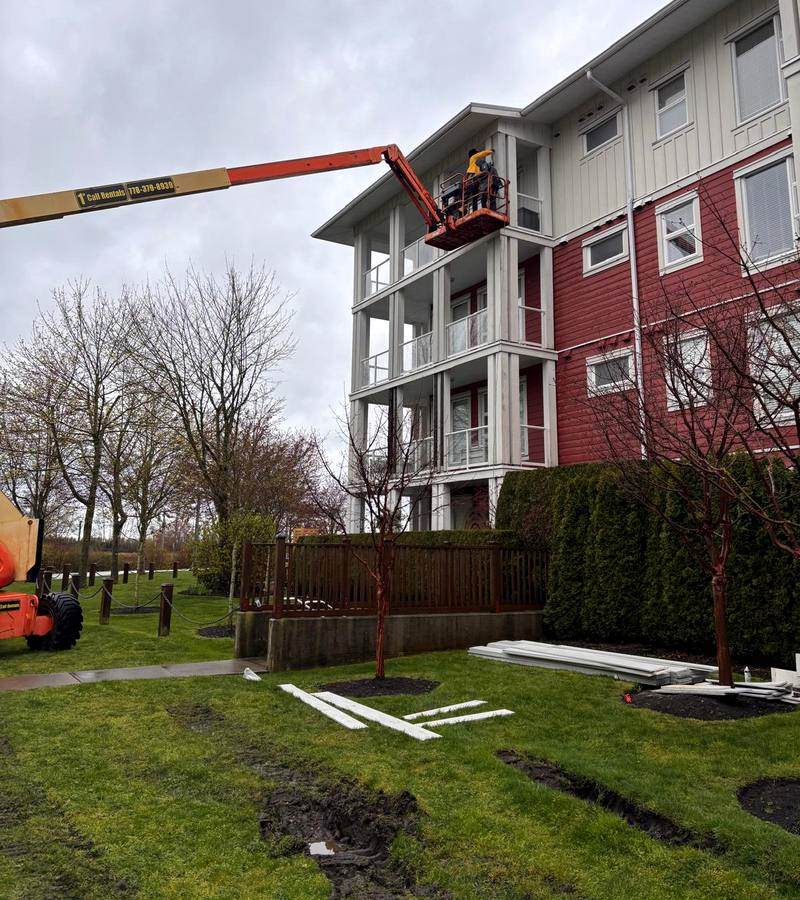
Commercial Renovation Checklist
A Step-by-Step Guide to Planning a Successful Project
Every successful commercial renovation begins with careful planning.
Whether you’re renovating an office, medical clinic, retail store, warehouse, restaurant, or professional workspace, following a structured planning process can help reduce delays, control costs, and create a smoother project from concept to completion.
The following checklist summarizes many of the topics covered throughout this guide and provides a practical reference as you prepare for your commercial renovation.
No two projects are identical, but completing these steps before construction begins will place your project in a much stronger position for success.
Phase 1 – Business Planning
Before speaking with a contractor, clearly define your business objectives.
Define Your Goals
☐Why are you renovating?
☐What problems are you trying to solve?
☐Is the renovation intended to improve operations, accommodate growth, attract customers, or modernize the space?
☐What areas of the business will be affected?
Establish a Budget
☐Determine an overall investment range.
☐Include contingency funds for unforeseen conditions.
☐Consider consultant fees, permits, furnishings, technology, and moving costs.
☐Balance immediate costs with long-term value.
Establish Your Timeline
☐Desired construction start date
☐Desired completion date
☐Business opening deadline
☐Lease requirements
☐Seasonal business considerations
Phase 2 – Selecting Your Project Team
Choose the Right Commercial Contractor
☐Review commercial experience.
☐Ask for similar project examples.
☐Verify insurance and WorkSafeBC registration.
☐Understand who will manage the project.
☐Compare detailed scopes—not just pricing.
☐Review communication processes.
☐Understand change order procedures.
Consultants
Determine whether your project requires:
☐Designer
☐Architect
☐Structural Engineer
☐Mechanical Engineer
☐Electrical Engineer
☐Fire Protection Consultant
☐Accessibility Consultant (where applicable)
Phase 3 – Site Investigation
Before design begins, confirm existing site conditions.
☐Existing measurements verified
☐Existing services identified
☐Electrical capacity reviewed
☐HVAC evaluated
☐Plumbing locations confirmed
☐Sprinkler system reviewed
☐Existing structural conditions assessed
☐Building management requirements understood
Phase 4 – Design Development
☐Floor plan finalized
☐Room layouts confirmed
☐Furniture layouts reviewed
☐Equipment locations finalized
☐Accessibility requirements reviewed
☐Lighting layout coordinated
☐Ceiling layout coordinated
☐Material selections completed
☐Colour selections approved
☐Finish schedule completed
Phase 5 – Permits & Approvals
☐Permit drawings completed
☐Consultant coordination complete
☐Building management approvals obtained
☐Municipal permit submitted
☐Building permit issued
☐Required trade permits arranged
Phase 6 – Pre-Construction Planning
Complete your own version of Pre-Site Lockdown™ before work begins.
☐Final layout approved
☐Material selections finalized
☐Long-lead materials ordered
☐Construction schedule reviewed
☐Business operations plan established
☐Temporary access confirmed
☐Staff communication completed
☐Building occupants notified
☐Utility shutdowns scheduled
Phase 7 – Construction
Throughout construction:
☐Attend scheduled progress meetings.
☐Review progress updates.
☐Respond to project questions promptly.
☐Approve change orders in writing.
☐Monitor schedule milestones.
☐Coordinate owner-supplied items.
☐Communicate operational requirements.
☐Maintain regular contact with your project manager.
Phase 8 – Project Closeout
Before occupancy:
☐Municipal inspections completed
☐Consultant reviews complete
☐Deficiency walkthrough completed
☐Deficiency list documented
☐Building systems tested
☐Warranty documentation received
☐Product manuals received
☐Occupancy approval obtained where required
☐Final cleaning completed
Phase 9 – After Occupancy
Once the renovation is complete:
☐Establish preventative maintenance schedule.
☐Organize warranty documentation.
☐Train staff on new equipment.
☐Schedule routine HVAC servicing.
☐Maintain project records.
☐Plan future improvements.
☐Schedule periodic building reviews.
Questions to Ask Yourself Before Construction Begins
Before approving the project, ask yourself:
✓Have all major decisions been made?
✓Is the budget realistic?
✓Have contingency funds been included?
✓Are permit requirements understood?
✓Does everyone understand the project scope?
✓Has enough time been allowed for permits and construction?
✓Is the business prepared for temporary disruption?
✓Have long-term maintenance costs been considered?
If you can confidently answer ”yes” to each of these questions, your project is likely well positioned for success.
The Anilson Commercial Renovation Readiness Score™
One of the easiest ways to evaluate whether your project is ready to move forward is to complete this simple self-assessment.
Give yourself one point for every completed item below.
Planning
☐Project goals are clearly defined.
☐Budget has been established.
☐Timeline has been established.
☐Business requirements are documented.
Design
☐Floor plan approved.
☐Finishes selected.
☐Equipment locations confirmed.
☐Accessibility reviewed.
Permits
☐Consultants engaged.
☐Permit drawings completed.
☐Municipal submission prepared.
Construction
☐Contractor selected.
☐Scope reviewed.
☐Schedule approved.
☐Materials selected.
Completion
☐Occupancy plan prepared.
☐Maintenance plan established.
☐Warranty documents organized.
Understanding Your Score
15–18 Points
Your project is well prepared for construction. Most major planning decisions have already been made, helping reduce the risk of delays, change orders, and budget surprises.
10–14 Points
Your project is progressing well, but there are still important planning items to address before construction begins. Taking the time to complete them now can improve the overall project experience.
0–9 Points
Your project is still in the early planning stages. Before committing to construction, consider working with an experienced commercial contractor and design team to further develop your scope, budget, and permitting strategy.
The Anilson Approach: Planning Before Building
Throughout this guide, one message has remained consistent:
The most successful commercial renovations are rarely the result of good luck.
They are the result of careful planning, thoughtful decision-making, structured communication, and disciplined project management.
This checklist brings together the key principles discussed throughout the guide, including:
- The Anilson Project Delivery System™
- Pre-Site Lockdown™
- The Sequence of Scope™
- The 48-Hour Decision Rule™
- Predictable Project Delivery™
Whether you’re planning a modest office renovation or a complex commercial tenant improvement, using a structured checklist helps ensure fewer surprises and a more successful project from beginning to end.
Key Takeaways
- Careful planning is one of the most effective ways to reduce delays, change orders, and unexpected costs.
- A structured checklist helps ensure important decisions are made before construction begins.
- Successful commercial renovations depend on clear goals, coordinated design, realistic budgets, and proactive communication.
- Planning should continue through construction, project closeout, and long-term building maintenance.
- Using a standardized planning process creates more predictable project outcomes and better long-term business value.
Every commercial renovation begins with a vision, but successful projects are built on preparation. By following a structured planning process and addressing key decisions before construction starts, business owners can move forward with greater confidence, clearer expectations, and a stronger foundation for a successful renovation.
Frequently Asked Questions
Frequently Asked Questions About Commercial Renovations
Planning a commercial renovation often raises as many questions as it answers.
Whether you’re renovating an office, medical clinic, retail store, warehouse, restaurant, or professional workspace, understanding the renovation process before construction begins can help you make informed decisions and avoid unnecessary surprises.
Below are some of the questions we hear most often from business owners, property managers, landlords, and commercial tenants.
How long does a commercial renovation typically take?
The timeline depends on several factors, including the size of the space, the complexity of the renovation, permit approval timelines, consultant coordination, material lead times, and whether the building remains occupied during construction.
A straightforward office refresh may be completed in a matter of weeks, while a full tenant improvement involving new walls, mechanical upgrades, fire protection modifications, and municipal permits can take several months.
One of the best ways to improve the schedule is to complete as much planning as possible before construction begins. Finalizing layouts, finishes, and major decisions early helps reduce delays once work is underway.
How much does a commercial renovation cost?
Every commercial renovation is different.
The final cost depends on the size of the project, the existing condition of the building, permit requirements, building systems, material selections, accessibility upgrades, and the overall scope of work.
Rather than focusing only on cost per square foot, it’s generally more helpful to develop a detailed scope of work and budget based on the specific needs of your business.
A well-defined project typically produces more accurate pricing and fewer unexpected costs during construction.
Do I need a building permit?
Many commercial renovations require building permits, particularly when the project involves changes to walls, occupancy, accessibility, plumbing, mechanical systems, electrical systems, fire protection, or structural elements.
Permit requirements vary depending on the municipality and the scope of work.
One of the first steps during project planning is determining which approvals will be required so they can be incorporated into the project schedule.
Can my business stay open during construction?
In many cases, yes.
Many offices, retail stores, medical clinics, and commercial buildings remain partially or fully operational while renovations are taking place.
Whether this is practical depends on the scope of work, safety considerations, noise levels, dust control, access requirements, and the operational needs of the business.
Successful occupied-building renovations rely on careful planning, phased construction, and clear communication throughout the project.
What is a tenant improvement?
A tenant improvement (often called a TI) is a commercial renovation that modifies an existing leased space to meet the operational requirements of a new or existing tenant.
Examples include:
- New offices
- Reception areas
- Treatment rooms
- Washrooms
- Meeting rooms
- Lighting upgrades
- Mechanical modifications
- Accessibility improvements
Tenant improvements are among the most common types of commercial renovations and often require coordination with landlords, property managers, consultants, and municipal authorities.
What happens if unexpected conditions are discovered?
Existing buildings occasionally contain concealed conditions that cannot be identified until demolition begins.
Examples include hidden plumbing, electrical deficiencies, structural modifications, water damage, or undocumented previous renovations.
When unforeseen conditions are discovered, the project team should document the issue, evaluate available solutions, communicate any cost or schedule impacts, and obtain client approval before additional work proceeds whenever practical.
A structured change order process helps ensure these situations are managed professionally.
How much contingency should I include in my budget?
Every project is different, but commercial renovations generally benefit from including a contingency allowance to address unforeseen conditions or owner-requested changes.
The appropriate contingency depends on factors such as the age of the building, the complexity of the renovation, the amount of demolition involved, and how well existing building conditions are understood.
Discussing contingency planning early helps establish more realistic project expectations.
When should I hire a contractor?
Ideally, a commercial contractor should be involved during the planning stage—not only after the drawings have been completed.
Early contractor involvement can provide valuable input regarding budgeting, scheduling, constructability, permit coordination, material lead times, and building operations before construction begins.
This collaborative approach often helps reduce revisions and improve overall project planning.
How do change orders work?
A change order is a documented modification to the original project scope.
Changes may result from owner requests, consultant revisions, municipal requirements, or unforeseen site conditions.
Professional contractors document the scope of the change, any cost implications, and schedule impacts before proceeding with additional work whenever practical.
Clear documentation protects both the client and the contractor throughout the project.
Will I receive regular project updates?
Professional communication is an important part of commercial project management.
Depending on the project, updates may include:
- Progress meetings
- Construction schedules
- Site photographs
- Inspection updates
- Change order documentation
- Milestone reviews
Regular communication helps clients make informed decisions and reduces uncertainty throughout construction.
What happens after construction is complete?
Project completion typically includes:
- Municipal inspections
- Consultant reviews
- Deficiency walkthroughs
- Warranty documentation
- System testing
- Project closeout
- Occupancy coordination where required
The goal is to ensure the renovated space is ready for normal business operations while providing clients with the documentation and support needed after construction.
How do I prepare for a commercial renovation?
Preparation begins long before demolition.
Business owners should:
- Define project goals.
- Establish a realistic budget.
- Develop a project timeline.
- Finalize operational requirements.
- Engage qualified professionals.
- Complete major design decisions before construction begins.
- Understand permit requirements.
- Communicate internally with staff and stakeholders.
The more preparation completed before construction begins, the more predictable the renovation process is likely to be.
Why should I choose a commercial general contractor instead of coordinating trades myself?
Commercial renovations involve far more than scheduling individual trades.
A commercial general contractor coordinates permits, consultants, inspections, subcontractors, material procurement, scheduling, safety, quality control, communication, and project closeout.
Having one team manage these moving parts helps reduce coordination challenges and allows business owners to remain focused on operating their business.
What industries does Anilson Construction work with?
Anilson Construction specializes in commercial renovations across a wide range of industries, including:
- Professional offices
- Medical and wellness clinics
- Veterinary clinics
- Retail stores
- Warehouses
- Industrial facilities
- Restaurants and hospitality spaces
- Property management and strata projects
- Commercial tenant improvements
We also undertake select custom luxury residential renovations where our project management approach and attention to detail provide exceptional value.
What areas does Anilson Construction serve?
Our primary service area includes:
- Richmond
- Vancouver
- Burnaby
- Delta
- Surrey
- New Westminster
- Coquitlam
- Port Coquitlam
- North Vancouver
- West Vancouver
- The broader Metro Vancouver region
Depending on the project, we also undertake commercial renovations in surrounding communities throughout the Lower Mainland.
The Anilson Approach: Answers Before Construction Begins
At Anilson Construction, we believe informed clients make better project decisions.
That’s why we’ve created this guide—to answer the questions business owners ask before investing in a commercial renovation.
Whether you’re planning your first tenant improvement or managing a multi-phase office renovation, our goal is to provide clear information, practical guidance, and professional project management from the earliest planning stages through project completion and beyond.
When clients understand the process, projects are more organized, communication improves, and better outcomes become possible for everyone involved.
Key Takeaways
- Most commercial renovation questions can be answered before construction begins through careful planning and professional guidance.
- Early contractor involvement often improves budgeting, scheduling, and project coordination.
- Clear communication, documented processes, and realistic expectations contribute to more successful renovations.
- Every commercial renovation is unique, and project requirements vary depending on the building, occupancy, and scope of work.
- Understanding the process before construction starts is one of the best ways to reduce risk and improve project outcomes.
A successful commercial renovation begins with informed decisions. Asking questions early, understanding the process, and working with experienced professionals helps create a smoother renovation experience and a commercial space that supports your business for years to come.
Commercial Construction Glossary
Common Terms Every Business Owner Should Know
Commercial construction has its own language.
During a renovation, you’ll hear references to permits, RFIs, fire-rated assemblies, tenant improvements, occupancy, substantial completion, and dozens of other technical terms.
If you’ve never managed a commercial renovation before, this terminology can quickly become overwhelming.
This glossary explains many of the most common commercial construction terms in plain language so you can better understand conversations with your contractor, designer, consultants, and municipal officials.
Throughout this guide, many of these terms appear repeatedly because they play an important role in successful project delivery.
A
Accessibility
Design features that allow a commercial building to be safely and comfortably used by people of all abilities. Accessibility may include barrier-free entrances, accessible washrooms, ramps, wider doorways, and appropriate clearances.
Addendum
A written revision or clarification issued before a construction contract is awarded. Addenda are commonly used during the tendering process to update drawings, specifications, or project requirements.
AHJ (Authority Having Jurisdiction)
The organization responsible for enforcing building regulations and approving construction work.
Depending on the project, this may include municipal building departments, fire departments, or other regulatory authorities.
B
Building Permit
Official authorization issued by a municipality allowing construction to proceed.
Building permits help ensure renovations comply with applicable building codes and approved construction drawings.
Barrier-Free Design
An approach to designing commercial spaces that improves accessibility for individuals with mobility limitations or other physical disabilities.
Budget Contingency
Funds reserved to address unforeseen conditions or approved project changes during construction.
A contingency helps manage uncertainty without affecting the overall project schedule.
C
Change Order
A documented modification to the original scope of work.
Change orders typically identify:
- The revised work
- Associated costs
- Schedule impacts
- Client approval
Professional contractors document change orders before additional work proceeds whenever practical.
Commissioning
The process of testing and verifying that building systems perform as intended before occupancy.
Commissioning may include HVAC balancing, lighting controls, fire alarm verification, security systems, and other operational testing.
Consultant
A licensed professional who provides specialized expertise during design or construction.
Examples include architects, engineers, interior designers, accessibility consultants, and fire protection professionals.
D
Deficiency
A minor item requiring adjustment, repair, or completion before final project closeout.
Examples include paint touch-ups, hardware adjustments, or ceiling tile replacement.
Demising Wall
A wall separating two individual commercial tenant spaces.
Demising walls often include specific fire-resistance and acoustic performance requirements.
Design-Build
A project delivery method where one team coordinates planning, design, consultant management, permits, and construction under a single contract.
E
Egress
The safe path occupants use to exit a building during an emergency.
Exit routes, corridors, emergency lighting, and exit signs all contribute to safe egress.
F
Fire-Rated Assembly
A wall, floor, or ceiling system that has been tested to resist the spread of fire for a specified period of time.
The complete assembly—not just the drywall—must be installed according to approved specifications.
Fire Stopping
Approved materials installed around pipes, ducts, conduits, and cables that penetrate fire-rated walls or floors.
Fire stopping helps maintain the integrity of fire-resistance-rated assemblies.
Finish Schedule
A document identifying the finishes to be installed throughout the project, including flooring, paint, wall coverings, ceilings, and other materials.
G
General Contractor
The company responsible for coordinating the overall construction project, including subcontractors, scheduling, permits, quality control, communication, and project management.
H
HVAC
Heating, Ventilation, and Air Conditioning.
HVAC systems regulate indoor temperature, ventilation, humidity, and indoor air quality.
I
Inspection
A review conducted by municipal officials or consultants to verify that construction complies with approved drawings and applicable regulations.
Inspections occur throughout construction—not only at project completion.
L
Life Safety Systems
Building systems designed to protect occupants during emergencies.
Examples include:
- Fire alarms
- Fire sprinklers
- Emergency lighting
- Exit signage
- Smoke detection
M
Millwork
Custom-built woodwork such as reception desks, cabinetry, shelving, countertops, and storage systems.
Unlike standard furniture, millwork is typically designed specifically for the space.
Mobilization
The process of preparing a construction site before major work begins.
Mobilization may include site protection, temporary fencing, material deliveries, safety measures, and equipment setup.
O
Occupancy
Approval allowing a commercial space to be used for its intended purpose following construction, subject to applicable municipal requirements.
Occupied Building
A commercial building that continues operating while construction activities are taking place.
Occupied-building renovations require additional planning, communication, dust control, and safety measures.
P
Permit Drawings
Construction drawings prepared for submission to the municipality as part of the building permit application.
Punch List
A list of remaining items requiring completion or correction before final project closeout.
Often used interchangeably with deficiency list, although terminology may vary by project.
Project Closeout
The final stage of construction, including inspections, deficiency completion, documentation, warranties, and project turnover.
R
Request for Information (RFI)
A formal question submitted during construction to clarify drawings, specifications, or project requirements.
RFIs help resolve uncertainties before work proceeds.
Rough-In
The stage where concealed systems such as plumbing, electrical, HVAC, and fire protection are installed before drywall and finishes.
Rough-ins are typically inspected before walls and ceilings are closed.
S
Scope of Work
A detailed description of everything included in the project.
A clearly defined scope helps reduce misunderstandings and provides the foundation for accurate pricing and scheduling.
Shop Drawings
Detailed drawings prepared by manufacturers or specialty contractors showing how specific products or systems will be fabricated or installed.
These drawings are typically reviewed before manufacturing or installation begins.
Site Instructions
Written directions issued during construction that clarify work or authorize minor project adjustments.
Steel Stud Framing
The non-combustible structural framework used to construct most commercial interior walls.
Steel framing provides the foundation for drywall, insulation, doors, and building services.
Substantial Completion
The stage at which a project is sufficiently complete for the owner to occupy or use the space for its intended purpose, even though minor deficiency items may remain outstanding.
Subcontractor
A specialized contractor hired by the general contractor to perform specific portions of the project.
Examples include electricians, plumbers, HVAC contractors, painters, flooring installers, and fire protection contractors.
T
Tenant Improvement (TI)
Construction work completed within a leased commercial space to meet the operational requirements of a tenant.
Tenant improvements may include new walls, lighting, flooring, mechanical upgrades, accessibility improvements, and interior finishes.
T-Bar Ceiling
A suspended ceiling system consisting of a metal grid supporting removable ceiling panels.
Also referred to as an acoustic ceiling or ACT ceiling.
Turnover
The formal handover of the completed commercial space to the owner following construction, inspections, documentation, and project closeout.
W
WorkSafeBC
British Columbia’s workplace health and safety organization responsible for promoting safe working environments and administering workers’ compensation.
Commercial contractors should maintain appropriate WorkSafeBC registration and follow applicable workplace safety requirements.
Common Acronyms
Acronym
Meaning
ACT
Acoustical Ceiling Tile
AHJ
Authority Having Jurisdiction
HVAC
Heating, Ventilation & Air Conditioning
LED
Light Emitting Diode
RFI
Request for Information
RTU
Rooftop Unit
STC
Sound Transmission Class
TI
Tenant Improvement
VAV
Variable Air Volume
The Anilson Approach: Making Commercial Construction Easier to Understand
Commercial renovations involve many technical terms, but understanding them shouldn’t require years of construction experience.
One of the goals of this guide is to make commercial construction more transparent by explaining not only what happens during a renovation, but also why it happens.
Clear communication helps clients make informed decisions, participate confidently in the planning process, and better understand the professionals working on their project.
Because successful commercial renovations begin with shared understanding.
Key Takeaways
- Commercial construction terminology becomes much easier to understand when explained in practical, business-focused language.
- Knowing common construction terms helps business owners communicate more effectively with contractors, consultants, and municipal authorities.
- Many technical terms relate directly to planning, permitting, project management, inspections, and building systems discussed throughout this guide.
- Understanding the language of commercial construction allows clients to make more informed decisions throughout the renovation process.
Whether you’re planning your first tenant improvement or managing a complex commercial renovation, understanding the language of construction helps create better communication, better decisions, and ultimately better project outcomes.
Why Businesses Across the Lower Mainland Choose Anilson Construction
Planning a commercial renovation involves more than hiring a contractor.
It involves choosing a partner who can guide your project through planning, design coordination, permitting, construction, inspections, and final occupancy with professionalism and accountability.
Throughout this guide, we’ve explored every stage of the commercial renovation process—from defining project goals and establishing budgets to coordinating trades, managing permits, completing inspections, and protecting your investment long after construction is complete.
By now, one message should be clear:
Successful commercial renovations are built on planning, communication, coordination, and disciplined project management.
These principles form the foundation of every project we undertake at Anilson Construction.
We Build Commercial Spaces That Help Businesses Grow
Every business operates differently.
A medical clinic requires privacy, specialized mechanical systems, and efficient patient flow.
A professional office depends on productivity, technology integration, and flexibility for future growth.
Retail spaces focus on customer experience and brand presentation.
Industrial facilities prioritize durability, workflow, and operational efficiency.
Rather than applying the same approach to every project, we work to understand how your business operates and how your renovated space can better support your team, your customers, and your long-term goals.
Our objective is not simply to renovate a building.
It is to create a commercial environment that helps your business succeed.
Commercial Renovations Are Complex. Our Process Brings Clarity.
Commercial projects involve many moving parts.
Permit drawings.
Consultants.
Municipal approvals.
Mechanical systems.
Electrical upgrades.
Fire protection.
Accessibility.
Scheduling.
Trade coordination.
Project communication.
Without a structured process, even relatively straightforward renovations can become difficult to manage.
That’s why we’ve developed systems that bring consistency and predictability to every project.
The Anilson Project Delivery System™
Every commercial renovation follows a structured process designed to improve communication, reduce uncertainty, and keep projects moving forward.
Our project delivery approach emphasizes:
- Early planning
- Clear communication
- Defined responsibilities
- Trade coordination
- Quality control
- Transparent documentation
- Organized project closeout
By establishing expectations before construction begins, we help reduce unnecessary surprises throughout the project.
Planning Before Construction Begins
Many of the most expensive construction problems originate long before demolition starts.
Late design changes.
Incomplete drawings.
Unresolved consultant questions.
Missing material selections.
Permit delays.
These issues often lead to unnecessary change orders and schedule disruptions.
Our planning philosophy emphasizes making important decisions before construction begins whenever possible.
This is the thinking behind our Pre-Site Lockdown™ process.
By finalizing layouts, finishes, building systems, and key project decisions early, we help improve construction efficiency and create a more predictable renovation experience.
Coordinating Every Trade
Commercial renovations involve specialists from multiple disciplines.
Electricians.
Plumbers.
HVAC contractors.
Fire protection contractors.
Drywall installers.
Flooring specialists.
Millwork fabricators.
Painters.
Inspectors.
Consultants.
Building management.
Our role as a commercial general contractor is to coordinate every one of these moving parts into a single, organized project.
Throughout this guide, we’ve referred to this as the Sequence of Scope™—a structured approach to ensuring work is completed in the proper order, reducing conflicts between trades and helping maintain project momentum.
Communication That Supports Better Decisions
Construction projects move quickly.
Questions arise.
Conditions change.
Decisions need to be made.
Clear communication is one of the strongest predictors of project success.
Our 48-Hour Decision Rule™ encourages timely communication so that questions are addressed before they affect scheduling, procurement, or construction sequencing.
By maintaining open communication with clients, consultants, and subcontractors, we help projects continue moving forward with confidence.
Built Around Commercial Project Delivery
Our focus is commercial construction.
We work with:
- Professional offices
- Medical and healthcare clinics
- Veterinary clinics
- Retail stores
- Warehouses
- Industrial facilities
- Commercial landlords
- Property managers
- Multi-tenant commercial buildings
Many of our projects involve tenant improvements, occupied buildings, phased renovations, accessibility upgrades, and complete interior transformations.
These environments require more than construction knowledge—they require careful planning, coordination, and an understanding of how businesses operate during renovation.
Serving Businesses Across the Lower Mainland
Anilson Construction proudly serves clients throughout Metro Vancouver, including:
- Richmond
- Vancouver
- Burnaby
- Delta
- Surrey
- New Westminster
- Coquitlam
- Port Coquitlam
- North Vancouver
- West Vancouver
Whether we’re renovating a professional office, coordinating a commercial tenant improvement, upgrading a healthcare clinic, or completing improvements for a property management company, our commitment remains the same:
Deliver organized, professional commercial projects that support long-term business success.
More Than Construction—A Long-Term Partner
Many of our clients continue working with us long after their original renovation has been completed.
As businesses evolve, commercial spaces often require:
- Office expansions
- Additional tenant improvements
- Workspace reconfigurations
- Accessibility upgrades
- Building maintenance
- Interior refreshes
- Exterior improvements
- Property improvement projects
Because we understand the original renovation, we can often support future work more efficiently while maintaining consistency across the property.
Our goal is to build lasting relationships—not simply complete individual projects.
What Clients Can Expect When Working With Anilson Construction
Every commercial renovation is different, but our commitment remains consistent.
Clients can expect:
- Transparent communication throughout the project.
- Organized planning before construction begins.
- Coordination between consultants, trades, and building management.
- Professional scheduling and project supervision.
- Attention to quality, safety, and code compliance.
- Clear documentation from planning through project closeout.
- Ongoing support after occupancy when needed.
These principles guide every project, regardless of size or complexity.
The Next Step
If you’ve read this guide from beginning to end, you already understand what separates a well-managed commercial renovation from one that struggles with delays, budget surprises, and unnecessary frustration.
Whether you’re planning a new office, expanding a medical clinic, renovating a retail store, upgrading a warehouse, or preparing a commercial tenant improvement, the most important decision you make is choosing the right project team.
If you’re still in the planning stage, we’re happy to have a conversation.
We’ll review your goals, discuss your space, answer your questions, and help you understand the steps involved—without pressure or obligation.
Even if your drawings are already complete, or you’ve begun the permitting process, we can work alongside your consultants to help move the project toward construction.
Our role is to make commercial renovations more predictable, more organized, and ultimately more successful.
Why This Guide Exists
We created this guide because we believe informed clients make better decisions.
Commercial renovations are significant investments, and business owners deserve clear, practical information before construction begins.
Whether or not you choose Anilson Construction, we hope the knowledge shared throughout these chapters helps you plan more effectively, ask better questions, and approach your renovation with greater confidence.
If you do choose to work with us, you’ll find that the same principles we’ve discussed throughout this guide—planning, communication, transparency, coordination, and accountability—are the principles we bring to every project.
Ready to Start Your Commercial Renovation?
Every successful commercial renovation begins with a conversation.
Whether you’re exploring ideas, preparing permit drawings, comparing project delivery methods, or ready to begin construction, our team is here to help.
Contact Anilson Construction to:
- Discuss your commercial renovation goals.
- Schedule a site visit.
- Review existing drawings and project documentation.
- Explore design-build and project delivery options.
- Receive budgeting guidance for your renovation.
- Coordinate permit and consultant requirements.
- Request a detailed commercial renovation proposal.
We proudly serve businesses throughout the Lower Mainland and are committed to delivering commercial projects with professionalism, transparency, and attention to detail from concept to completion.
Because great commercial spaces aren’t built by chance.
They’re delivered through planning, communication, and the right project partner.
Ready to plan your commercial renovation? Anilson Construction offers free, no-obligation site assessments across Richmond and the Lower Mainland.
Get a Free Site Assessment